
Flowers
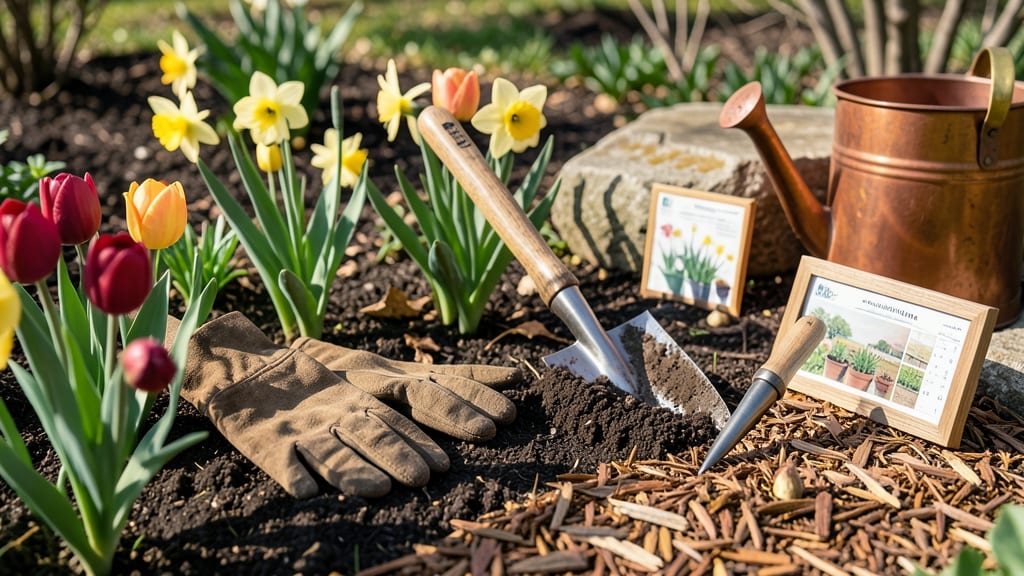
Planting your spring flowers at the right time is like catching a wave—miss the window, and you’ll watch your garden struggle to catch up. In Zone 6a, where frost lingers until mid-April, timing isn’t just about patience—it’s about strategy.
Whether you’re dreaming of vibrant petunias or towering sunflowers, getting those seeds or seedlings in the ground too early can mean a sad, frost-nipped disappointment.
I’ve learned the hard way that rushing spring planting often leads to stunted growth or worse—total failure. The key is waiting until the soil warms to at least 50°F and all frost risk has passed, usually after your last average frost date.
But here’s the twist: some flowers, like hardy pansies or sweet peas, can handle cooler temps, while others, like dahlias, need the warmth to thrive. Let’s break down the exact moments to plant for a showstopping garden.
What you’ll discover in this guide isn’t just a calendar—it’s a roadmap to success. We’ll cover the best flowers to plant in early spring, how to prep your soil for maximum blooms, and even how to adjust for late spring planting if you missed the first wave.
No more guessing games—just actionable steps to turn your garden into a season-long masterpiece.
Ready to transform your outdoor space? Let’s dive into the month-by-month planting schedule that’ll have your flowers blooming like clockwork—no frost-related setbacks included.
Spring flower planting timeline by USDA Hardiness Zones
Getting your spring flowers in the ground at the right time is like syncing a dance—one wrong step, and everything falls apart. The USDA Hardiness Zones (4 through 10) each have their own rhythm, with last frost dates that dictate when to plant.
In Zone 4, you might be prepping in early May, while Zone 10 gardeners could start as early as February. The key is knowing your zone’s average last frost date and adjusting for soil temperature—cold soil slows germination, no matter how eager you are.
I’ve planted flowers in Zones 5 and 7, and I’ve learned that rushing the process—like planting tender annuals before the soil warms—often leads to leggy, weak plants that struggle to bloom.
Instead, I wait until the soil reaches at least 50°F for most flowers, or 60°F for heat-loving varieties like marigolds or zinnias.
This guide breaks down the exact month-by-month timeline for each zone, so you can avoid common pitfalls and enjoy a garden bursting with color from early summer through fall.
For Zone 4 and 5 gardeners, early spring is all about cold-hardy annuals like pansies and snapdragons, which can handle light frosts. I’ve had great success planting these in late April, even if frost is still a risk.
These flowers not only survive but often rebloom after a frost, giving you early color when other plants are still struggling. Pair them with perennials like lupines or columbines, which also tolerate cooler soils and can be planted as early
Best early spring flowers to plant before frost (Zone-specific guide)
If you're eager to jumpstart your garden before the last frost, you're in luck—some flowers thrive when planted in late winter or early spring. These cold-hardy varieties can handle light frosts and even bloom earlier than their warm-season counterparts.
In Zone 6a, where frost typically lingers until mid-April, timing is everything. Plant too early, and you risk frost damage; too late, and you miss the early bloom advantage.
The secret lies in choosing flowers that tolerate cooler temperatures and preparing your soil properly. I’ve tested these varieties over the years, and they consistently deliver vibrant blooms even when planted weeks before the last frost date.
Let’s explore the best options for your early spring garden, tailored to your zone.
- 🌱 Pansies – Thrives in 35-50°F soil; plant 4-6 weeks before last frost for early blooms. Choose Viola tricolor varieties for frost resistance.
- 🌷 Snapdragons – Handles 28-40°F temps; sow seeds 6-8 weeks before last frost in well-drained soil. 'Rocket' series blooms early.
- 🌼 Sweet Peas – Cold-hardy annual; plant seeds in late winter (Zone 6a) for spring blooms. 'Cupani' and 'Spencer' varieties are top performers.
- 🌿 Calendula – Edible and frost-tolerant; sow 3-4 weeks before last frost. 'Moonlight' and 'Touch of Class' are reliable choices.
- 🌸 Dianthus – Perennial with frost resistance; plant 4-6 weeks before last frost. 'Firewitch' series blooms in cool weather.
- 🪴 Stock (Matthiola) – Sweet-scented annual; sow 6-8 weeks before last frost in full sun. 'Giant Mixed' is a fragrant favorite.
For Zone 6a gardeners, aim to plant these flowers between mid-March and early April, depending on your last frost date. Use a frost cloth if nights dip below 25°F to protect tender seedlings.
These varieties not only survive early spring but often outperform later-planted flowers by blooming earlier and longer.
Pro tip: Amend your soil with compost before planting to improve drainage and warmth retention. Cold soil slows germination, so a little extra organic matter can make all the difference. I’ve seen pansies and snapdragons push through 30°F nights when planted in enriched soil.
Don’t overlook perennials like lungwort (Pulmonaria) or heuchera, which can also be planted in early spring. These hardy plants establish roots quickly and reward you with season-long color. Pair them with your annuals for a layered, low-maintenance garden that blooms from spring to fall.
Remember, the key to early spring planting is patience. Wait for soil temps to rise above 40°F before sowing seeds, and always check your local frost forecast. With the right flowers and timing, you’ll have a garden bursting with color weeks before your neighbors even think about planting.