
Companion Plants
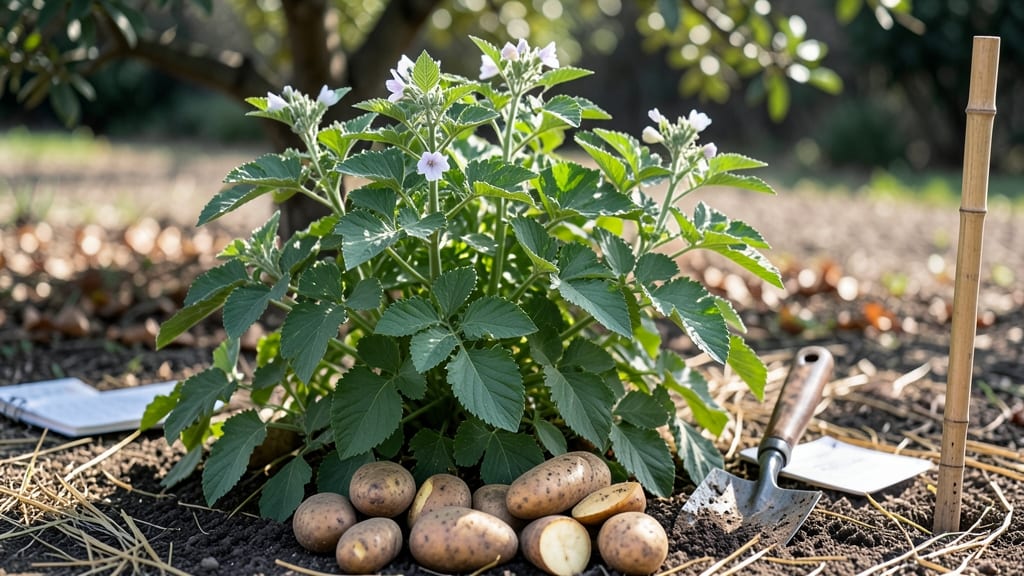
Planting your 🥔 potatoes at the wrong time in Zone 7 can turn your dream harvest into a soggy mess—frozen sprouts or blight-ravaged tubers are nobody’s idea of a good time.
The key isn’t just guessing when to stick them in the dirt; it’s knowing exactly how many weeks before your last frost to start, which varies wildly between 7a and 7b.
Most gardeners in Zone 7 rush to plant as soon as the ground is workable, but that’s a recipe for disaster.
Too early, and a late frost will kill your tender shoots; too late, and your late-season varieties won’t have enough time to mature before pests or heat stress take over. The sweet spot? 4-6 weeks before your average last frost date, with adjustments for early, mid-, and late-season potatoes.
I’ve tested this timing over years in my own Zone 7b garden, and the difference between a bountiful harvest and a meager one comes down to these precise windows.
Whether you’re growing Yukon Golds or Red Pontiacs, this guide will help you avoid the most common mistakes—like planting too soon and watching your crop freeze or waiting too long and ending up with underdeveloped tubers.
Ready to dig in? Let’s break down the exact weeks you should plant, how to prep your soil, and which varieties thrive best in your specific microclimate—so you can enjoy a garden full of golden, crisp potatoes by summer.
Exact weeks before last frost to plant potatoes in Zone 7 for maximum yield
Planting potatoes in Zone 7 requires precision—your timing directly impacts whether you’ll harvest bountiful tubers or lose your crop to frost or disease. The last frost date (typically March 1–15 in Zone 7) is your anchor, but soil temperature and variety type also play critical roles.
For most Zone 7 gardeners, planting 4–6 weeks before the last frost (around mid-February to early April) ensures healthy growth before summer heat arrives.
Early-season varieties like 'Red Norland' can handle cooler soils, while late-season types such as 'Russet Burbank' need warmer temperatures to mature. Soil must reach 45°F (7°C) for sprouts to emerge—colder soils delay germination and invite rot.
Test your soil’s readiness with a soil thermometer before planting to avoid common mistakes like planting too early and risking frost damage.
Here’s the science-backed breakdown of your planting window, including soil prep and variety recommendations tailored to Zone 7’s climate:
If you’re in a cooler microclimate (e.g., Piedmont region), aim for the earlier window (4–6 weeks before frost) with early-season varieties. These potatoes mature in 90–110 days, giving them time to bulk up before summer heat stresses the plants.
In warmer areas (e.g., coastal Zone 7b), you can push planting to late April or early May and opt for late-season types that thrive in heat.
Soil temperature is just as critical as frost dates. Use a soil thermometer to confirm readiness—planting in cold soil (<45°F) stunts growth and invites pythium rot. Amend your soil with compost or aged manure to improve drainage and warmth retention.
For extra insurance, chit your seed potatoes (sprout them indoors) 2–4 weeks before planting to jumpstart growth.
Another key factor is succession planting. In Zone 7, you can often squeeze in two harvests: plant early varieties in February–March and late varieties in April–May. This extends your harvest window from June to August.
Just ensure your second planting has enough time to mature before the first frost in November—most potatoes need 90–120 days to reach harvest.
Watch out for late frosts, which are common in Zone 7’s transitional springs. If a frost is forecasted after planting, cover your rows with frost blankets or straw mulch to protect tender sprouts.
Avoid planting in low-lying areas, where cold air pools and lingers longer. Elevated beds or slopes warm up faster and reduce frost risk.
Finally, adjust your planting schedule if your spring is unpredictable. Check your local USDA Plant Hardiness Zone map for precise frost dates, or use a frost calendar app like Old Farmer’s Almanac for real-time updates.
In Zone 7b (warmer), you might plant 2 weeks later than in Zone 7a—always err on the side of caution with late-season varieties.
By aligning your planting with soil temperature, frost dates, and variety maturity, you’ll maximize your Zone 7 potato yield and avoid the heartbreak of a failed crop. Start with the 4–6 week window, monitor your soil, and choose varieties that match your microclimate for the best results.
How to adjust planting timing for early vs. late potato varieties in Zone 7
Choosing the right potato variety and planting it at the perfect time in Zone 7 ensures a harvest that rivals your favorite farm stand. Early varieties like 'Red Pontiac' need to go in the ground first, while late types like 'Yukon Gold' can wait until soil warms.
The key is matching your variety’s days to maturity with your local frost dates to avoid wasted effort.
Start by testing your soil temperature—potatoes thrive when soil reaches 45°F (7°C). In Zone 7, this usually happens by mid-March for early varieties and late April for late-season types.
Planting too early risks frost damage, while waiting too long shortens the growing season and invites pests like Colorado potato beetles.
Soil prep is non-negotiable: amend your beds with compost to improve drainage, and avoid fresh manure, which can cause rot. For extra insurance, chit your seed potatoes (sprout them indoors) 4-6 weeks before planting. This jumpstarts growth and gives you a head start on the season.
| Variety Type | Planting Window (Zone 7) | Days to Maturity | Key Tip |
|---|---|---|---|
| Early (e.g., 'Red Pontiac') | 4-6 weeks before last frost (Feb 15 - Mar 15) | 70-90 days | Plant shallow (3") in cool soil; mulch heavily |
| Mid (e.g., 'Kennebec') | 2-4 weeks before last frost (Mar 1 - Apr 1) | 90-110 days | Ideal for succession planting; plant in hills |
| Late (e.g., 'Yukon Gold') | After last frost (Apr 15 - May 1) | 110-130 days | Needs warm soil; plant deeper (4-6") |
For a continuous harvest, use succession planting: stagger your plantings every 2 weeks. Start with early varieties in February (if soil is workable), then mid-season types in March, and late varieties in April. This ensures you have potatoes ready from June through August, just like a professional grower’s schedule.
Avoid these common mistakes: planting too early when soil is still cold (below 40°F) or too late when summer heat arrives. Also, skip the urge to plant store-bought potatoes—use certified seed potatoes to prevent diseases like blight.
And remember, hilling soil around stems every 2 weeks prevents greening and boosts tuber formation.
With these adjustments, you’ll turn your Zone 7 garden into a potato powerhouse, harvesting crisp, disease-free tubers all season long. Happy planting! 🥔