
Planting
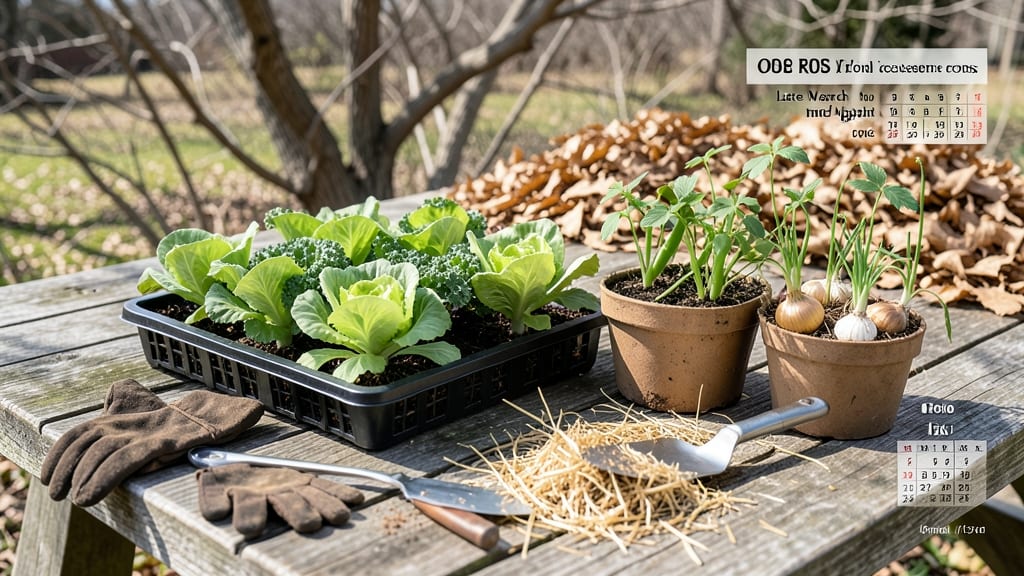
Timing your garden planting in Ohio isn’t just about the calendar—it’s about beating the unpredictable spring frost that can turn tender seedlings into sad, wilted memories.
Whether you’re growing tomatoes in Zone 5 or herbs in Zone 7, knowing the exact window to plant 🌱 can mean the difference between a bountiful harvest and a disappointing flop.
I’ve spent years watching Ohio’s weather shift from icy mornings to balmy afternoons, and the key to success is understanding your county’s last-frost dates. Plant too soon, and a late freeze could set you back weeks.
Too late, and you’ll miss the prime growing season for warm-season crops like peppers and cucumbers.
In this guide, I’ll break down the county-by-county frost dates you need to know for 2024, plus smart strategies for adjusting your schedule based on microclimates—whether you’re near Lake Erie or in the heartland.
No more guessing games, just confident planting that sets you up for a garden full of flavor and color.
Ready to stop second-guessing and start sowing? Let’s dive into the exact timing and tips that will help your Ohio garden thrive—no matter where you’re planting.
Ohio’s last-frost dates by region: when to plant vegetables, flowers, and herbs
Ohio’s last-frost dates vary dramatically across its 85 counties, spanning USDA Zones 5a to 6b. In northern counties like Ashtabula or Erie, the average last frost arrives around May 15–20, while southern regions like Lawrence or Scioto can see frost-free conditions by April 15–May 1.
These differences mean your planting schedule should shift depending on where you live—whether you’re in the Lake Effect zone or inland Ohio.
For cool-season crops like spinach, peas, and lettuce, you can start seeds 4–6 weeks before your local last frost date. Meanwhile, warm-season plants such as tomatoes, peppers, and basil need soil temperatures above 55°F (13°C) and should wait until 2 weeks after the last frost.
Understanding these timelines helps you avoid frost damage and aligns your garden with Ohio’s 120–140 frost-free days per year.
Here’s the key: Northern Ohio’s shorter growing season demands earlier starts indoors or cold-hardy varieties, while southern Ohio allows for longer planting windows. Even within the same county, microclimates (like valleys or urban heat islands) can shift frost dates by 1–2 weeks. Always check your local Almanac or NOAA data for the most precise last-frost averages.
🌱
If you’re planting herbs like parsley or cilantro, which tolerate light frosts, you can sow them 2–3 weeks before your last frost date.
For flowers such as marigolds or zinnias, wait until after May 1 in most regions to ensure they thrive. Perennials, like lavender or coneflowers, can often handle early planting, but tender perennials (e.g., fuchsias) should wait until soil warms.
For container gardening, you can push planting dates 1–2 weeks later since pots warm up faster. However, heavy clay soils in northern Ohio may need black plastic mulch to warm up sooner.
Always monitor soil temperature with a soil thermometer—aim for 60°F (15°C) for most vegetables and 70°F (21°C) for tomatoes and peppers.
Pro tip: Use row covers to extend your cool
How to adjust your planting schedule for Ohio’s microclimates and frost risks
Ohio’s microclimates can create wildly different planting conditions just miles apart. For example, areas near Lake Erie often experience delayed frost due to the Lake Effect, while inland regions like Zone 5 counties can see early spring warmth.
Understanding these variations lets you fine-tune your schedule for maximum success—whether you’re growing tomatoes or peas.
One of my biggest lessons came after losing a batch of cucumber seedlings in a late April frost. I learned to use frost-free date calculators from the Old Farmer’s Almanac or local Cooperative Extension offices.
These tools account for your specific county’s historical frost patterns, giving you a data-backed planting window instead of guessing.
For instance, Ashtabula County (near Lake Erie) typically has a last-frost date around April 20th, while Franklin County (Columbus area) averages May 5th. That’s nearly three weeks of difference—enough to shift your entire planting timeline for warm-season crops like peppers and squash.
Late Frost Risks: When to Delay Planting
Ohio’s unpredictable late frosts can hit even after average last-frost dates. Use these rules to protect your garden:
- ❄️ Wait until May 10th for warm-season crops (tomatoes, peppers) in Zone 5 areas.
- 🌱 Use row covers for cool-season crops planted 4 weeks before last frost.
- 📅 Check the 10-day forecast before planting tender seedlings.
To extend your growing season, I recommend succession planting—sowing radishes or lettuce every 2 weeks after your first planting. This ensures a steady harvest even if the first batch gets hit by an unexpected frost.
For cold-hardy crops like kale or spinach, you can plant them as early as March under row covers or in a cold frame.
Another trick I’ve used is planting fast-maturing varieties of beans or zucchini in early May, even if the soil isn’t fully warmed. These crops can tolerate cooler temperatures and still produce a harvest before summer heat sets in.
Pair this with mulching to keep the soil warm faster—straw or black plastic works wonders for soil temperature regulation.
For gardeners in Lake Effect zones, like Cuyahoga County, take advantage of the warmer microclimate by planting warm-season crops 1-2 weeks earlier than inland areas. However, be cautious—Lake Erie can also bring unexpected chilly winds, so always have frost cloth on hand for a quick cover.
Finally, keep a planting journal to track what works in your specific microclimate. Note which crops thrive with early plantings, which need protection, and which varieties perform best in your USDA Zone. Over time, you’ll develop a custom planting schedule that beats Ohio’s frost risks every season. 🌱