
Plants
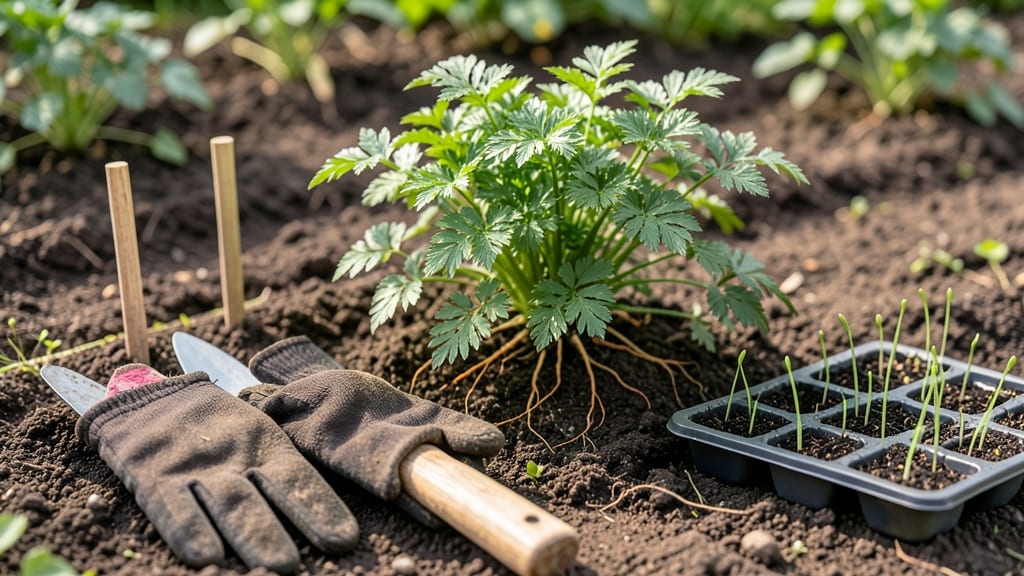
Planting carrots in Florida at the wrong time can turn your garden dreams into a bitter disappointment—bolting from heat or pests devouring your crop before you even taste that sweet crunch.
The key isn’t just when you plant but how you adapt to Florida’s unpredictable climate, from steamy summers to mild winters that stretch the growing season.
Most gardeners assume spring is the only window for carrots, but Florida’s unique zones let you grow them nearly year-round with the right strategy. I’ve learned the hard way that skipping soil prep or ignoring regional heat waves means wilted greens and stunted roots.
Let me show you the exact planting schedule that works for North, Central, and South Florida—plus the varieties that thrive in our sandy soil.
What if I told you succession planting could give you fresh carrots from fall through spring? That’s the secret to beating Florida’s heat and pests while keeping your harvests consistent.
We’ll cover the best months to sow, how to protect seedlings from bolting, and which carrot types handle our humidity better than others.
Ready to grow carrots that actually reach maturity without turning woody or bitter? Stick with me, and I’ll walk you through the timeline, tools, and tricks that make the difference between a so-so harvest and a perfect one—no guesswork required.
Best planting times for carrots in Florida (by region & season)
Florida’s diverse climate means your carrot planting schedule depends heavily on your region. North Florida enjoys cooler winters, while South Florida bakes under tropical heat year-round. Even Central Florida faces scorching summers that demand shade or timing tricks.
Get this wrong, and you’ll battle bolting (premature flowering) or pest pressure from nematodes and wireworms. The key? Plant when soil temps are 60–70°F and avoid extreme heat or frost.
Carrots thrive in Florida’s fall and winter months when temperatures dip below 85°F. However, with the right varieties and shade strategies, you can grow them year-round. South Florida gardeners can plant monthly, while North Florida’s cooler winters allow for extended growing seasons.
Let’s break down the best windows by region, including soil prep tips to ensure sweet, straight carrots every time.
Here’s a quick comparison of planting windows by Florida region, including soil temperature requirements and frost-free strategies:
| Region | Best Planting Windows | Soil Temp (°F) | Frost Risk | Heat Tolerance Tip |
|---|---|---|---|---|
| North Florida (Zones 8a-9a) | Sept 15–Nov 15 Feb 1–Mar 15 |
60–70°F | Light frost risk in Dec-Jan | Use row covers for winter |
| Central Florida (Zones 9b-10a) | Aug 15–Sept 30 Jan 1–Feb 15 |
65–75°F | Frost-free year-round | Plant in partial shade for summer |
| South Florida (Zones 10b-11) | Monthly year-round | 70–75°F | None | Use shade cloth (30-50%) in summer |
North Florida’s cooler winters (Zones 8a-9a) are ideal for fall and early spring plantings. Start seeds Sept 15–Nov 15 for a winter crop, then transition to Feb 1–Mar 15 for spring. Use row covers or mulch to protect from light frosts, which can damage young seedlings. Soil temperatures below 50°F slow germination, so wait until the ground warms to 60°F.
In Central Florida (Zones 9b-10a), summer heat is the biggest challenge. Plant Aug 15–Sept 30 for a fall harvest, then switch to Jan 1–Feb 15 to avoid the scorching June–August months.
For summer plantings, use shade cloth (30%) or grow heat-tolerant varieties like ‘Danvers Half Long.’ Soil should stay between 65–75°F—any hotter, and carrots bolt or develop woody, bitter roots.
South Florida (Zones 10b-11) offers the most flexibility, but summer heat still demands strategy. Plant monthly year-round, but prioritize shade cloth (50%) during June–September. Soil temps above 80°F trigger bolting, so focus on short-day varieties like ‘Nantes’ or ‘Paris Market.’ For winter, reduce shade to 30% and mulch heavily to retain moisture in Florida’s sandy soil.
Regardless of region, soil prep is critical. Florida’s sandy soil drains too quickly, so amend with 2–3 inches of compost or aged manure before planting. Carrots need loose, stone-free soil—remove rocks and roots to prevent forked or stunted roots.
A pH of 6.0–7.0 is ideal; test your soil and adjust with lime (to raise pH) or sulfur (to lower pH) if needed.
For year-round success, practice succession planting. Sow seeds every 3–4 weeks to ensure a continuous harvest. In North Florida, this means August through March; in South Florida, you can plant monthly. Pair carrots with companion plants like le
5 Critical mistakes that kill Florida carrot harvests (and how to fix them)
Growing carrots in Florida can be tricky if you don’t account for the state’s unique challenges. The sandy soil, intense heat, and pesky nematodes often sabotage even the most eager gardeners. I’ve seen firsthand how these issues can turn a promising crop into a disappointing one.
The good news? Knowing these 5 critical mistakes and how to avoid them will set you up for a bountiful harvest.
First, many gardeners overlook the importance of soil preparation. Florida’s native soil is often too sandy and lacks the organic matter carrots need to grow straight and sweet. Without proper amendments, your carrots might grow twisted or stunted.
Second, overcrowding is a common issue—planting seeds too closely leads to competition for nutrients and space, resulting in small, misshapen roots.
⚠️ callout-warning
Third, ignoring heat stress can cause carrots to bolt prematurely. Florida’s summer heat forces carrots to flower early, ruining their storage quality. To combat this, I recommend planting heat-tolerant varieties like ‘Danvers Half Long’ and using shade cloth during peak summer months.
Fourth, many gardeners skip succession planting, leading to a single, short harvest window instead of a continuous supply.
Finally, neglecting pest control—especially for carrot rust flies and wireworms—can devastate your crop. These pests thrive in Florida’s warm climate and can chew through tender carrot roots. I’ve found that using row covers and practicing crop rotation are the most effective defenses.
By addressing these mistakes, you’ll be well on your way to growing perfect, juicy carrots all season long.
Start with well-draining soil mixed with compost, thin seedlings to 2-3 inches apart, and always monitor soil moisture. With these fixes, your Florida carrot garden will thrive! 🥕