
Plants
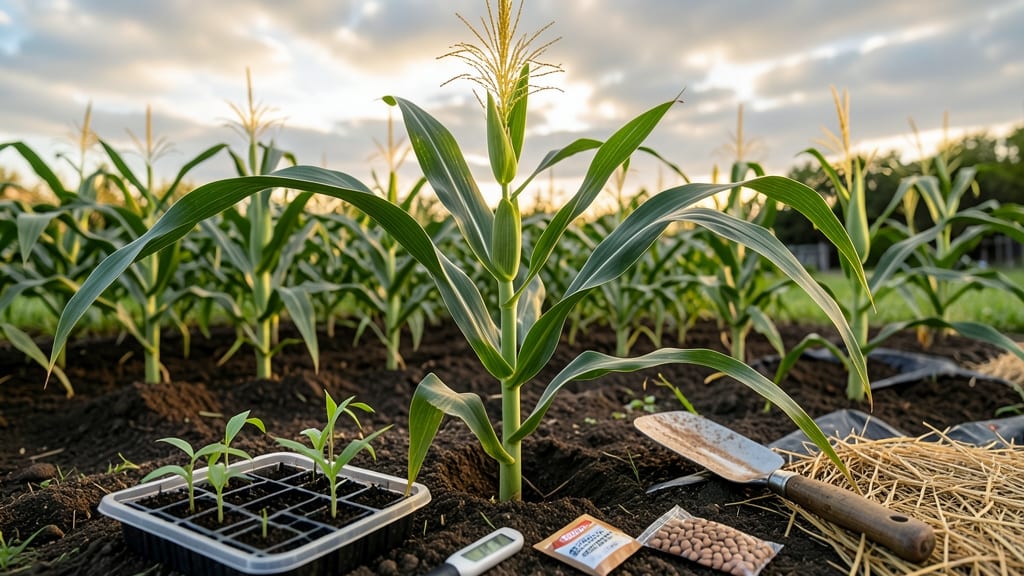
Planting corn in South Carolina at the right time can transform your garden from a gamble to a guaranteed harvest. The mid-April to early June window is your best bet, but getting it wrong risks frost damage or stunted growth—especially in zones 7b-8b where temperatures swing wildly.
Whether you're a seasoned gardener or just starting with 🌽, understanding soil warmth and frost dates is the key to success.
Most gardeners in South Carolina treat corn as a spring crop, but timing matters more than you might think. Waiting until the soil hits 60°F and the last frost has passed (usually around March 15) sets the stage for strong roots and healthy stalks.
Plant too early, and a late freeze could wipe out your hard work; too late, and summer heat might stress your plants before they mature.
In this guide, I’ll break down the exact frost-free timeline for your region, soil prep tips, and how to adjust for South Carolina’s microclimates—from the cooler Upstate to the warmer Coastal plains.
You’ll also learn the 3 most common mistakes that ruin corn harvests and how to avoid them, so you can grow ears that are plump, sweet, and ready by late July.
Ready to turn your garden into a cornucopia? Let’s dive into the perfect planting schedule that’ll have your corn thriving from seed to harvest—no guesswork required.
South Carolina corn planting calendar: frost dates, soil temps & best months
Timing corn planting in South Carolina correctly is your first step to a successful harvest. The 210 frost-free days between March 15 and November 15 create a narrow window where soil warmth and daylight align perfectly for corn growth. In zones 7b-8b, corn thrives when planted after the last frost and when soil temperatures consistently reach 60°F—a critical threshold for germination.
Most gardeners in South Carolina focus on April and May as the ideal months, but regional differences matter. The Upstate’s cooler microclimate may delay planting by 1-2 weeks compared to the warmer Coastal plains.
Understanding these variations ensures your corn gets the head start it needs to reach maturity before the first frost in late October.
Here’s your regional planting timeline based on historical frost data and soil temperature trends:
For Upstate gardeners, waiting until mid-April reduces frost risk, while Coastal gardeners can start as early as late March. The key is planting when the soil temperature stays above 60°F for at least 5 consecutive days—this ensures your seeds germinate quickly and avoid rotting in cold soil.
Use a soil thermometer to check; if it’s below 55°F, wait a few more days.
If you’re tempted to plant early for a longer harvest window, consider covering seedlings with frost cloth until the threat passes. However, planting too late—after early June—can lead to drought stress or immature ears before the first frost.
Aim for a 75-day variety like 'Silver Queen' or 'Peaches and Cream' to balance timing and maturity in South Carolina’s climate.
One common mistake is relying solely on air temperature. Soil warms 3-5 days slower than the air, so always check the ground. A simple trick is to press your hand into the soil: if it feels cool to the touch, wait a few more days.
For faster soil warming, use black plastic mulch or plant in raised beds, which heat up quicker in spring.
Historical frost data shows that late frosts in South Carolina can occur as late as April 15, especially in the Upstate. To mitigate this risk, plant successive crops every 2 weeks from April through early June.
This staggered approach ensures a continuous harvest and reduces the chance of losing your entire crop to a single late frost event.
For gardeners in zone 8b (Coastal areas), you can push the envelope slightly by planting early varieties in late February under row covers. However, this requires vigilance—remove covers immediately if daytime temperatures rise above 70°F to prevent overheating.
Always monitor your local National Weather Service alerts for frost warnings during these early plantings.
Finally, remember that corn needs 6-8 hours of full sun daily. South Carolina’s long summer days provide ample sunlight, but planting in shaded areas—even partially—can delay maturity.
Choose a south-facing plot with no obstructions, and avoid planting near tall trees or structures that cast shadows during peak sunlight hours (10 AM to 4 PM).
How to adjust corn planting time for South Carolina’s microclimates
South Carolina’s diverse climate means your corn planting strategy should vary dramatically depending on whether you’re in the cool Upstate, the moderate Piedmont, or the warmer Coastal plains.
Each microclimate has its own frost risks, soil warming needs, and ideal planting windows—ignoring these can mean the difference between a 100-pound harvest and a total loss. Let’s break down how to tailor your timing for each zone.
In the Upstate (USDA zones 7a-7b), where nights can still dip into the 30s°F in April, corn seeds planted too early risk frost damage. The Coastal plains (zones 8a-8b), however, often see soil warm enough by late March, allowing for earlier plantings.
Meanwhile, the Piedmont sits in the middle, with a 2-3 week window between Upstate and Coastal timing. Adjusting for these differences isn’t just about dates—it’s about soil temperature, seed depth, and even emergency frost protection strategies.
Cooler nights, later frosts
Moderate climate, transitional
Warmer soils, earlier planting
| Factor | Upstate | Piedmont | Coastal |
|---|---|---|---|
| Planting Window | Mid-April to early May | Late March to late April | Late March to mid-April |
| Soil Temp Threshold | 60°F+ (wait longer) | 55-60°F (moderate) | 50-55°F (soil warms faster) |
| Seed Depth | 1.5-2 inches (deeper for warmth) | 1-1.5 inches (standard) | 1 inch (shallower for faster germination) |
| Frost Risk | High (use row covers) | Moderate (monitor forecasts) | Low (rare after March) |
| Emergency Strategy | Plant in black plastic mulch | Use cold frames for late frosts | Plant early varieties |
For the Upstate, where frosts can linger until early May, I recommend using black plastic mulch to warm the soil faster. Plant seeds 1.5-2 inches deep and wait until soil temperatures consistently hit 60°F—this usually aligns with mid-April.
If a late frost threatens, cover seedlings with frost blankets or row covers until danger passes. In the Piedmont, you’ve got more flexibility: start seeds indoors in late March or direct-sow in early April.
Here, soil warms quicker, so you can plant slightly shallower (1-1.5 inches) and still achieve strong germination.
In the Coastal plains, where soil temperatures often hit 55°F+ by late March, you can plant early varieties like ‘Silver Queen’ or ‘Peaches and Cream’ as soon as the ground is workable.
Shallow planting (1 inch deep) speeds up germination, and the risk of frost is minimal after March 15. However, be cautious of summer heat stress: Coastal areas can get too hot too fast, so choose heat-tolerant varieties like ‘Temptation’ or ‘Pioneer 3906’ to avoid ear rot.
If you miss the ideal window due to late frosts, don’t panic—there are still ways to salvage your crop. For emergency plantings, use row covers or cold frames to protect young seedlings.
You can also opt for fast-maturing varieties (like ‘Early Sunglow’, which matures in 65 days) to beat the heat. Just remember: extending the growing season too far risks drought stress or pest pressure, so weigh the risks carefully.
Pro tip: Use a soil thermometer to monitor temperatures—corn seeds won’t sprout reliably below 50°F, and roots struggle to establish below 60°F. In my garden, I’ve found that planting in raised beds with composted