
Plants
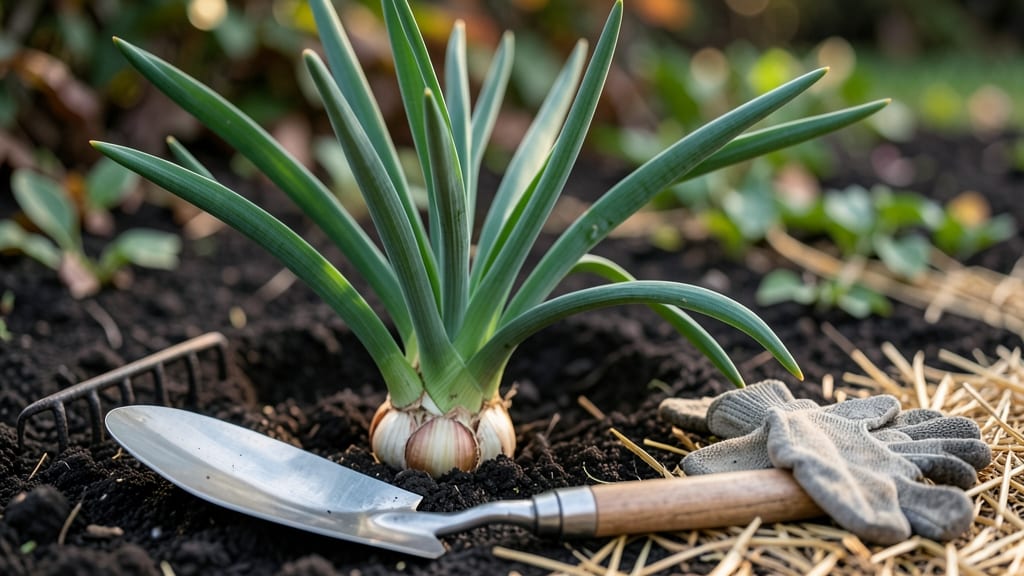
Planting garlic in the fall isn't just about timing—it's the key to growing bold, flavorful bulbs that store all winter long. If you miss that narrow window, you risk weak growth or even no harvest at all, and there's no do-over until next year.
For most gardeners in USDA Zone 6a, the sweet spot is 4-6 weeks before your first frost, typically landing in October or early November. This gives the cloves time to root before the ground freezes, setting the stage for a strong spring.
The secret? Plant when soil temps hit 40-50°F—cold enough to slow pests but warm enough for roots to establish.
Why fall? Garlic thrives on winter's chill, and planting early lets it develop a sturdy root system before dormancy. You'll skip the summer heat stress that can plague spring-planted garlic, and your harvest will be larger and more robust the following summer.
Let's break down exactly how to nail this timing for your climate.
Whether you're a seasoned gardener or just starting with 🧄, these insights will help you avoid common mistakes and maximize your garlic's potential. Ready to grow like a pro? Let's get those cloves in the ground at the perfect moment.
The exact fall planting window for garlic by USDA hardiness zones
Timing garlic correctly in the fall is the difference between a bountiful harvest and wasted effort. The key is planting 4-6 weeks before the ground freezes, but the exact month varies dramatically across USDA hardiness zones 3-9.
Cold-hardy varieties need time to establish roots before winter dormancy, while milder climates offer more flexibility. Let’s break down the zone-specific window to ensure your cloves thrive.
Garlic planted too early may rot in wet soil, while late planting risks frost damage before roots form. The ideal soil temperature for planting is 40-50°F (4-10°C). This gives cloves enough time to root while avoiding the first hard frost, which can kill tender new shoots.
Regional adjustments matter—coastal areas might plant later than inland zones due to milder winters.
Here’s your zone-by-zone planting calendar, including temperature thresholds and regional notes to maximize bulb formation:
| USDA Zone | Ideal Planting Month | Soil Temp Threshold | Regional Adjustment | Key Notes |
|---|---|---|---|---|
| Zones 3-4 | Mid-September to early October | 40-45°F (4-7°C) | Plant 6 weeks before first frost | Hardy varieties like 'German White' excel here |
| Zones 5-6 | Late September to mid-October | 45-50°F (7-10°C) | Adjust for early frosts in Zone 5 | 'Silverskin' varieties thrive in these zones |
| Zones 7-8 | td style="padding: 8px;">October (early to mid)50-55°F (10-13°C) | Plant 4-5 weeks before frost | Milder winters allow later planting | |
| Zones 9-10 | November (early) | 55-60°F (13-16°C) | Plant after summer heat subsides | Softneck varieties like 'Artichoke' work well |
For Zone 3-4 gardeners, aim for mid-September planting—this gives cloves time to root before sub-zero temperatures hit.
In Zone 5-6, late September is ideal, but watch for early frosts; use mulch (straw or leaves) to insulate soil. Zones 7-8 can plant into early October, while Zones 9-10 might even start in November, provided soil stays above 50°F (10°C).
Regional microclimates play a role too. High-elevation areas in Zone 6 may need to plant as early as Zone 5, while coastal Zone 7 might push planting into late October.
Always check your local frost dates—the USDA Plant Hardiness Zone Map is a great starting point, but historical weather data from your area is gold.
Pro tip: Use a soil thermometer to confirm temperatures. If soil is below 40°F (4°C), wait a week or two.
Cold soil slows root growth, and weak roots mean poor bulb development next summer. Hardneck varieties (like 'Music' or 'Chesnok Red') handle colder zones better than softnecks, which prefer milder climates.
Mulching is non-negotiable in Zones 3-6. A 4-inch layer of straw or leaves after planting protects cloves from freeze-thaw cycles and keeps soil insulated. In Zones 7-10, mulch is still helpful but can be lighter (2-3 inches). Avoid heavy mulch in wet climates—it can cause rot.
One common mistake? Planting garlic too close to winter. If cloves don’t root before consistent freezing, they’ll rot. The 6-week buffer before frost is your safety net. For example, if your first frost is November 15, plant by October 1.
Use this rule of thumb: "When your garden tools are put away, it’s time to plant garlic."
Finally, don’t overlook soil prep. Garlic needs well-draining, slightly acidic soil (pH 6.0-7.0). Amend heavy clay with compost or sand, and avoid fresh manure—it can burn cloves. A balanced fertilizer (10-10-10) at planting time gives cloves the nutrients they need to overwinter successfully.
With the right timing, your garlic will bulk up underground during winter dormancy, ready to explode with flavor next summer. Now grab those cloves—your fall planting window won’t wait!
How to tell when your fall garlic planting is perfectly timed
Timing garlic planting right ensures your bulbs overwinter successfully and produce strong, flavorful harvests next summer. The key is understanding your local climate signals—especially soil temperature, daylight hours, and weather forecasts.
Planting too early or late can leave your cloves vulnerable to rot, frost heave, or weak growth.
Most gardeners aim to plant garlic 4-6 weeks before the ground freezes, but this window shifts based on your USDA hardiness zone. In colder regions (Zones 3-5), you might plant as early as mid-September, while warmer zones (7-9) can wait until late October or November.
The goal is to give roots time to establish before winter dormancy begins.
⚠️ Don’t Plant When:
- Soil temps exceed 50°F – Cloves may sprout too early and rot before winter.
- Frost is imminent – Roots need time to harden off before freezing.
- Rain is forecasted – Wet soil increases disease risk for newly planted cloves.
Use a soil thermometer to confirm temps are 40-50°F at planting depth (2 inches).
Watch for daylight cues—garlic thrives when days grow shorter. Aim to plant when daylight drops below 12 hours, signaling winter’s approach. This typically aligns with late September to October in most regions. Some gardeners even use moon phases, planting during the waning moon for better root development.
Check your local frost date and count backward. For example, if your first frost is November 15, plant by October 15 to allow roots to establish.
Use a frost calendar or ask your local cooperative extension office for precise dates. Pro tip: Plant hardneck varieties slightly earlier—they need extra time to form scapes.
Weather patterns matter too. Avoid planting if heavy rains or warm spells are forecasted. Cold, dry soil is ideal for clove survival. If your soil stays too wet, amend it with compost or sand to improve drainage. Mulch heavily with straw or leaves after planting to insulate roots through winter.
Finally, trust your garlic’s growth signals. If shoots emerge before winter, they’ll freeze back—no harm done. But if cloves rot or mold appears, you planted too early. Adjust next year by shifting your timeline 1-2 weeks later. With practice, you’ll nail the perfect window every time.