
Plants
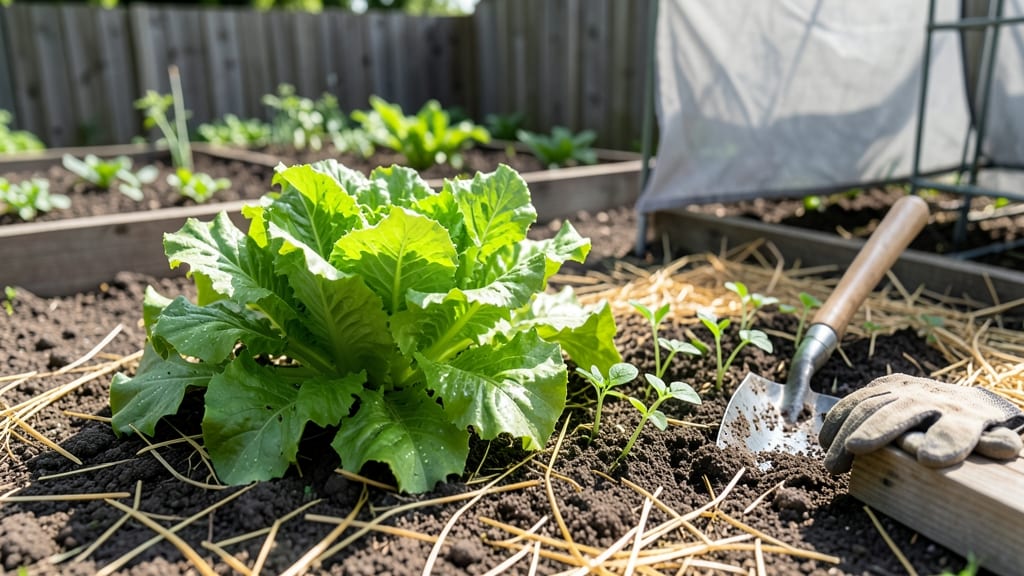
If you've ever planted lettuce 🥬 in Texas only to watch it bolt into bitter, flower-stalked disappointment, you're not alone. The key to crisp, sweet harvests lies in knowing exactly when to start seeds or set transplants—because Texas' brutal heat zones (8a-11) demand precision timing that most gardening guides miss.
Most gardeners assume spring is the only window, but fall planting actually offers longer harvests with cooler temperatures working in your favor.
I'll break down the exact months to plant in North vs. South Texas, plus how to stretch your season using shade tricks that keep lettuce happy even when thermometers hit 95°F.
You'll discover why planting too early in spring leads to bolting (and why succession planting every 2-3 weeks keeps your kitchen stocked). From frost dates that vary by 100 miles to heat-tolerant varieties like 'Jericho', this is your no-fluff guide to Texas lettuce success.
Ready to grow lettuce that tastes fresh, not sad? Let's dive into the science-backed schedule that'll have you harvesting crisp greens all winter—without the bitter aftertaste of trial and error.
Texas heat zone planting calendar: exact months to avoid lettuce bolting
Texas stretches across USDA zones 8a-11, creating dramatic differences in lettuce planting success. In North Texas (zones 8a-8b), gardeners can start seeds as early as mid-February for fall harvests, while South Texas (zones 9a-11) gardeners must wait until late September to avoid instant bolting.
The key? Plant when soil temps stay below 75°F—any warmer, and your lettuce will race to flower before you can say "crisp salad."
I've grown lettuce in both extremes—from Dallas' unpredictable freezes to Houston's relentless summer sun—and the difference comes down to two critical windows: fall and late winter. Miss these, and you're left with bitter, bolted greens or soggy, wilted disappointment.
The solution? A heat-zone specific schedule that accounts for Texas' 240+ frost-free days in most regions.
🌡️ Soil temperature is your best friend here. Lettuce seeds won't germinate well above 70°F, and established plants bolt when daytime temps hit 80°F consistently. That's why fall planting (August-September) works in North Texas, while winter planting (December-January) is safer in South Texas. Even then, you'll need shade strategies to keep leaves cool.
| Texas Heat Zone | Best Planting Months | Ideal Soil Temp (°F) | Shade Strategy | Key Varieties |
|---|---|---|---|---|
| Zones 8a-8b (North TX: Amarillo, Dallas, Waco) | Late August-Sept (fall) OR Feb-Mar (spring) | 60-70°F (max 75°F) | 30% shade cloth afternoons (Mar-May) | 'Black Seeded Simpson', 'Winter Density' |
| Zones 8b-9a (Central TX: Austin, San Antonio) | Sept-Oct (fall) OR Jan-Feb (spring) | 65-72°F (max 78°F) | 40% shade cloth (Mar-Apr) | 'Jericho', 'Romaine' |
| Zones 9a-9b (South TX: Corpus Christi, Beaumont) | Oct-Nov (fall) OR Dec-Jan (spring) | 68-72°F (max 80°F) | 50% shade cloth (Feb-Apr) | 'Buttercrunch', 'Green Forest' |
| Zones 10a-11 (Deep South TX: Brownsville, McAllen) | Nov-Dec OR Jan-Feb | 70-75°F (max 82°F) | 60% shade cloth year-round | 'Oakleaf', 'Red Sails' |
🌡️ Pro Tip: Use a soil thermometer—plant only when temps match your zone's ideal range!
Let me show you how I use this calendar in my Zone 8b garden in Austin. I plant two batches yearly: the first in late August for fall harvests (ready by November) and the second in early February for spring crops (harvest by April).
The key? Succession planting every 2 weeks ensures a steady supply. In Zone 10a Brownsville, my friend grows lettuce year-round under 60% shade cloth, but even there, summer planting fails without protection.
Your microclimate matters. Urban areas like Houston can be 5°F hotter than rural spots just 20 miles away due to heat islands. If you're in a concrete jungle, plant 4-6 weeks earlier than rural guidelines suggest.
I've seen lettuce bolt in May in downtown Dallas when rural Waco gardens still produced crisp heads. Test your spot by monitoring temps with a minimum-maximum thermometer for a week.
Don't overlook shade strategies—they're your secret weapon against bolting. In North Texas, I use 30% shade cloth from March to May to filter 80°F+ afternoons.
In South Texas, even 50% shade isn't enough in summer; I pair it with drip irrigation at soil level to keep roots cool. Reflective mulches (like white plastic) can also lower soil temps by 10°F—perfect for extending spring harvests.
Timing isn't just about months—it's about moon phases too. I plant lettuce during the waxing gibbous phase (3 days before full moon) for faster germination. Pair this with cool evenings (below 70°F) and you'll get
Fall vs. spring lettuce planting: which season wins in Texas?
Choosing between fall and spring lettuce planting in Texas isn’t just about timing—it’s about surviving the state’s brutal heat and unpredictable microclimates.
In North Texas (USDA Zones 7b-8a), cooler fall temperatures create ideal conditions, while South Texas (Zones 8b-11) gardeners often rely on spring plantings to escape summer’s relentless sun. Let’s break down which season wins for your region.
Fall plantings in Texas typically start between mid-August and October, giving lettuce time to mature before winter chills. This season avoids the 90°F+ days that trigger bolting, but South Texas gardeners must plant earlier (late July) to harvest before frost.
Spring plantings, on the other hand, begin in February for North Texas and January for South Texas, racing against the heat to produce harvests before May’s scorching temperatures.
🌱 Comparison Table: Fall vs. Spring Lettuce Planting in Texas
| Factor | Fall Planting | Spring Planting |
|---|---|---|
| Planting Window | Mid-Aug–Oct (North TX) Late July–Sept (South TX) |
Feb–March (North TX) Jan–Feb (South TX) |
| Heat Tolerance | High (avoids summer heat) | Moderate (race against May heat) |
| Days to Harvest | 30–50 days ('Black Seeded Simpson') | 40–60 days ('Buttercrunch') |
| Pest Pressure | Low (fewer aphids) | High (slugs, cabbage worms) |
| Yield Potential | Very High (cool nights = sweet leaves) | Moderate (heat stress reduces size) |
| Best Varieties | 'Black Seeded Simpson', 'Winter Density' | 'Buttercrunch', 'Jericho' (heat-tolerant) |
For North Texas, fall planting is the clear winner—cooler temps and longer daylight hours produce crisp, sweet lettuce with minimal pest issues. The 'Black Seeded Simpson' variety thrives in these conditions, delivering harvests in just 30–50 days.
Meanwhile, South Texas gardeners often prefer spring plantings to capitalize on mild winter temperatures, though they must act fast to avoid the 100°F+ summers that turn lettuce into sad, wilted relics.
Spring plantings in Texas demand heat-tolerant varieties like 'Buttercrunch' or 'Jericho', which can handle slightly warmer soil temps but still require afternoon shade to prevent bolting. The trade-off?
Higher pest pressure from slugs and cabbage worms, which thrive in spring’s damp conditions. In contrast, fall plantings enjoy natural pest control from cooler nights and fewer insects.
Microclimates play a huge role—urban areas like Dallas or Houston may experience 5–10°F cooler nights than rural zones, extending the fall harvest window. If you’re in South Texas (Zones 9–11), consider succession planting every 2 weeks in fall to maximize yields before frost.
For North Texas, focus on late August starts to ensure harvests before winter chills set in.
Ultimately, fall planting wins for most Texas gardeners—it’s the sweet spot between heat and frost, yielding higher-quality lettuce with less stress. But if you’re in South Texas or love the idea of fresh greens in spring, 'Jericho' lettuce and shade cloth can turn the odds in your favor.
Experiment with both seasons to find your perfect balance!