
Plants
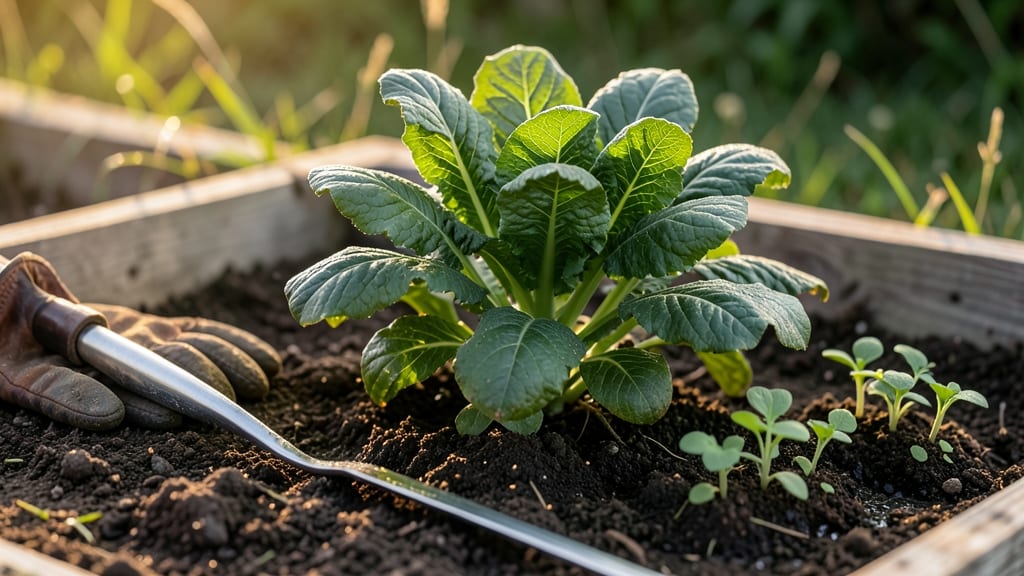
Planting mustard greens in Louisiana at the right time means the difference between tender, peppery harvests and bitter, bolted disappointment. The key to success lies in starting 4-6 weeks before your first frost—typically between mid-September and early November—to let these 🥬 greens mature before winter’s chill sets in.
Unlike cooler climates where spring planting dominates, Louisiana’s long growing season lets you focus on fall plantings for zero-bolt results. But timing isn’t just about dates—it’s about avoiding the heat of late summer, which can send mustard greens racing toward seed pods before you’ve had a chance to enjoy them.
In this guide, I’ll walk you through the exact planting windows for Louisiana’s unique 8a-9b zones, including how to adjust for coastal humidity or inland heat. You’ll also discover how staggered plantings can give you fresh greens from October through December—no bitter aftertaste required.
Whether you’re a first-time gardener or a seasoned green thumb, these tips will help you grow mustard greens that stay sweet, crisp, and ready to harvest—just in time for your favorite fall recipes.
Best planting dates for mustard greens in Louisiana’s fall season
Timing is everything when growing mustard greens in Louisiana’s fall climate. Unlike other regions, Louisiana’s humidity and microclimates (coastal vs. inland) create unique challenges. Plant too early, and you risk bolting from residual summer heat; too late, and frost cuts harvests short.
The sweet spot? Mid-September to early October for most varieties, but let’s break it down by your specific zone and location.
Mustard greens thrive in cool-season conditions but can handle brief warm spells if planted correctly. In USDA Zones 8a-9b, aim for soil temperatures between 60°F and 75°F—any hotter, and you’ll trigger bolting (flowering).
Coastal areas like New Orleans and Lake Charles stay warmer longer, while inland zones like Shreveport cool faster. Adjust your planting window accordingly to avoid bitter, tough leaves.
Here’s the golden rule: Start seeds 4-6 weeks before your average first frost date (typically mid-November in Zone 8a or early December in Zone 9b). For transplants, wait until soil temps drop below 80°F—usually late September to early October.
This timing ensures your greens mature before winter sets in but avoids the heat stress that causes bolting.
| Planting Window | Soil Temp Threshold | Best Varieties | Microclimate Notes |
|---|---|---|---|
| Early Fall: Mid-August to Late September | 60°F–75°F | ‘Southern Giant Curled’ | High-risk for bolting in coastal areas; use shade cloth if temps exceed 78°F. |
| Optimal: Late September to Early October | 55°F–70°F | ‘Florida Broadleaf’ | Ideal for inland zones; tolerates brief cold snaps. |
| Late Fall: Mid-October to Early November | 50°F–65°F | ‘Tendergreen’ | Best for coastal gardens; harvest before first frost. |
| Succession Planting | 50°F–60°F | ‘Georgia Southern’ | Plant every 2 weeks for continuous harvests through December. |
🌡️ Pro Tip: Use a soil thermometer to monitor temps—mustard greens bolt when soil exceeds 78°F.
For coastal Louisiana, where humidity lingers and temperatures stay warmer, focus on late September plantings. Varieties like ‘Florida Broadleaf’ handle the heat slightly better but still need protection from afternoon sun.
In inland areas, you can push plantings into early October thanks to cooler nights. Always choose heat-tolerant varieties like ‘Southern Giant Curled’—they’re bred to resist bolting in Louisiana’s extended growing season.
If you’re unsure about your local frost dates, check the Louisiana Climate Center or use a frost calendar for your parish. For example, New Orleans (Zone 9a) has a first frost around December 15, while Shreveport (Zone 8a) sees frost by November 15.
Adjust your planting window by 2-3 weeks based on these dates to ensure a full harvest before winter.
Don’t forget succession planting—this is key to extending your harvest. Sow a second batch in late September and a third in early October for greens ready to pick through December.
Space seeds 1 inch apart in rows 18 inches apart to give plants room to grow without competing for nutrients. Thin seedlings to 6 inches apart once they’re 2 inches tall to prevent overcrowding.
One of the biggest mistakes gardeners make in Louisiana is planting too early. Summer heat lingering into August and September can trick mustard greens into bolting, even if the air feels cool. To avoid this, use shade cloth (30-50%) over young plants if daytime temps creep above 80°F.
Mulch with straw or leaves to keep soil temps stable and retain moisture—critical in Louisiana’s humid climate.
For container gardening, stick to smaller varieties
How to avoid bolting: Louisiana-specific growing conditions for mustard greens
Louisiana’s humid heat and long daylight hours can trigger mustard greens to bolt—turning your tender greens bitter and woody before harvest. The key to preventing this is understanding day length sensitivity and heat stress triggers unique to our climate.
Unlike northern states, Louisiana’s fall temperatures stay warm longer, giving you a narrower window for perfect timing.
Mustard greens are cool-season crops that thrive when daytime temperatures hover between 60°F and 75°F. In Louisiana, this means planting in late August through early October for fall harvests. After October, rising daylight hours and warmer nights push plants into bolting mode faster than in cooler climates.
Coastal areas like New Orleans may extend this window by 2-3 weeks due to moderating ocean breezes.
⚠️ Critical Warning: Louisiana's Heat Stress Thresholds
Mustard greens bolt when exposed to consistent temperatures above 80°F or daylight exceeding 12 hours. In Louisiana:
- Coastal zones (8a): Bolt risk starts at 78°F daytime temps
- Inland zones (9b): Bolt risk begins at 75°F due to drier air
- Daylight trigger:** Plants bolt when days exceed 12.5 hours of light
Solution: Use shade cloth (30-50%) during peak afternoon sun (12 PM - 4 PM) to keep leaf temps below 75°F. Mulch with 2-3 inches of straw to insulate roots from soil heat.
To combat Louisiana’s humidity challenges, focus on succession planting every 2-3 weeks from August through October. This staggered approach ensures a continuous harvest before the first frost (typically mid-November in Zone 8a).
For example, plant Southern Giant Curled on August 15, September 1, and September 15—each batch will mature at different rates, extending your harvest window.
Mulching is non-negotiable in Louisiana’s clay-heavy soils. Apply 3-4 inches of organic mulch (straw or pine needles) to:
- Regulate soil temperature (keep below 70°F)
- Reduce evaporative stress from humidity
- Suppress weeds competing for nutrients
Watch for bitter flavor development, a sign of stress. If leaves taste peppery or spicy too early, it’s often due to heat stress or nutrient deficiency. Side-dress with compost tea or a low-nitrogen fertilizer (5-10-10) to encourage tender growth.
In Louisiana’s acidic soils (pH 5.5-6.5), a sprinkle of lime can prevent magnesium deficiencies that worsen bitterness.
For winter harvests, consider row covers after the first frost. Louisiana’s mild winters (Zone 8a/9b) allow mustard greens to grow through December and January if protected.
Remove covers during the day to prevent fungal buildup from trapped humidity. This extends your harvest until late February, just before spring planting season begins.