
Plants
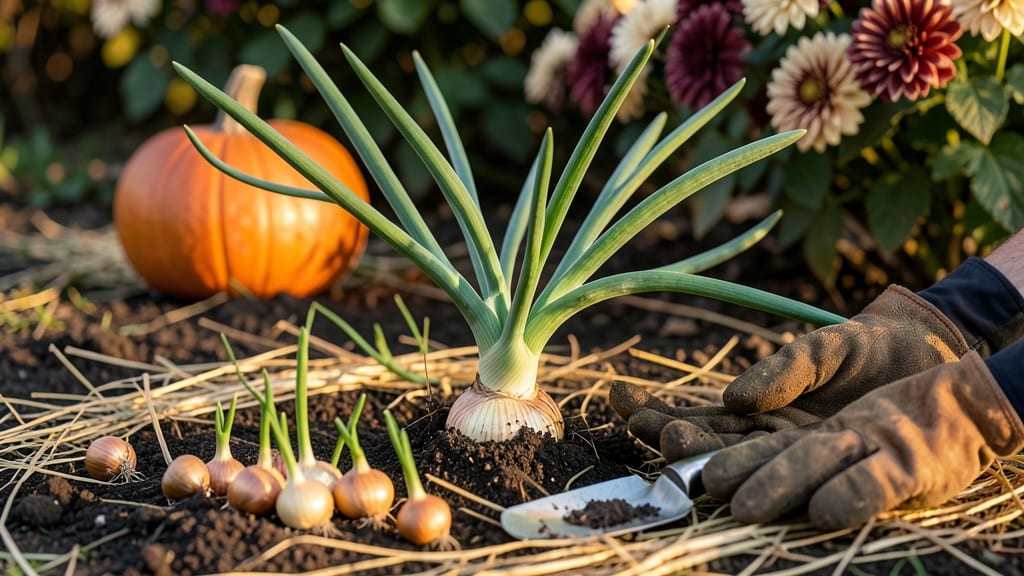
Planting onions in the fall isn’t just about timing—it’s about giving your 🧅 a fighting chance to survive winter and reward you with plump bulbs next season.
The 60-day rule before your first frost isn’t arbitrary; it’s the difference between harvests big enough to braid and store and sad, stunted onions that never reach their potential.
If you’ve ever wondered why some gardeners swear by fall planting while others skip it entirely, the answer lies in understanding your local climate and variety choices.
In USDA Zone 6a, where winters are cold but manageable, the ideal window opens in early September—just enough time for roots to establish before the ground freezes.
But here’s the catch: not all onions are created equal. Short-day varieties, like the classic yellow or red onion, thrive when planted early, while longer-season types need extra time to mature.
I’ll break down exactly how to calculate your last planting date and adjust for early frosts, heavy snowfall, or urban microclimates that can throw off even the best-laid plans.
Ready to set yourself up for success? Let’s dive into the step-by-step guide that’ll have your onions overwintering like pros—no guesswork, just proven results.
The 60-Day pre-frost rule explained: exact planting windows by USDA Zone
The 60-day pre-frost rule is your golden ticket to growing fall-planted onions that survive winter and deliver plump, flavorful bulbs the next season. This rule ensures onions mature enough to withstand freezing temperatures before the ground locks up.
Whether you're in USDA Zone 3 or Zone 10, precise timing separates success from disappointment.
Onions need 60-90 days to develop bulbs before winter dormancy. Plant too early, and they'll bolt or rot; too late, and they'll stay small. Your last frost date (average first frost in fall) is your anchor.
Count backward 60 days for fast-maturing varieties or 90 days for slower ones. For example, if your first frost is November 15, aim to plant by September 15 for 90-day onions.
Soil temperature plays a critical role. Onions thrive when soil is between 45°F and 75°F. Use a soil thermometer to confirm readiness—cooler soils delay growth.
In northern zones (3-5), wait until soil warms to 50°F; in southern zones (8-10), you can plant earlier when soil is 60°F+. Pro tip: Loosen soil 6-8 inches deep to improve drainage and root penetration.
Here’s the zone-specific breakdown you’ve been waiting for. Use this chart to pinpoint your ideal planting window, adjusted for fast vs. slow-maturing varieties. Remember: Earlier zones have tighter windows, while warmer zones offer flexibility.
| USDA Zone | First Frost Date | Planting Window (Fast Varieties) | Planting Window (Slow Varieties) | Soil Temp Threshold | Notes |
|---|---|---|---|---|---|
| 3-4 | Oct 15 - Nov 1 | Aug 20 - Sep 10 | Jul 20 - Aug 15 | 50°F+ | Use short-day varieties; mulch heavily. |
| 5-6 | Oct 15 - Nov 10 | Aug 25 - Sep 15 | Aug 1 - Aug 25 | 50°F+ | Ideal for storage onions; plant early. |
| 7-8 | Nov 1 - Nov 15 | Sep 15 - Oct 10 | Aug 15 - Sep 10 | 55°F+ | Longer season; can plant sets or seeds. |
| 9-10 | Nov 15 - Dec 1 | Sep 20 - Oct 15 | Aug 30 - Sep 20 | 60°F+ | Mild winters; may need light mulch. |
Your last harvest window before winter is just as critical as planting time. Onions planted for fall harvest should be pulled 2-3 weeks before first frost to prevent bolting. For overwintering bulbs, leave them in the ground until spring green-up (when shoots emerge).
In Zone 5, for example, harvest by October 20 if you want fresh onions now, or leave them until April for storage bulbs.
Not all onion varieties play by the same rules. Short-day onions (like 'Texas Early White') mature faster and are perfect for northern climates.
How to adjust for your local climate: frost depth, snow cover, and microclimates
Your local climate can make or break your fall onion harvest. Heavy snowfall might protect your plants, while deep frost can freeze bulbs before they mature. Even urban heat islands can trick you into planting too late.
The key is adjusting your timing based on frost depth, snow cover, and microclimates in your yard.
Start by testing your soil readiness—onions need cool but unfrozen soil (40-50°F) to establish roots before winter. Use a soil thermometer or the finger test: stick your finger 2 inches deep.
If it feels damp but not icy, it’s ready. In areas with early frosts (like Zone 5), plant extended-season varieties like 'Stuttgarter' or 'Yellow Sweet Spanish' for extra time.
Mulching is your best friend in snowy climates. Apply 4-6 inches of straw after planting to insulate roots. In heavy snowfall zones, this prevents heaving (bulbs pushing out of the soil) and keeps them dormant but alive. For urban microclimates, where pavement holds heat, plant near trees or north-facing walls to mimic cooler conditions.
Row covers are a game-changer for early frosts. Use floating row covers to extend the season by 2-4 weeks. In Zone 3-4**, where winters are harsh, cover onions with lightweight fabric once nighttime temps drop below 25°F. Remove covers during the day to prevent overheating.
Not all onions are created equal for cold climates. Traditional varieties like 'Texas Early White' mature faster but store poorly. Extended-season types like 'Candy' or 'Sweet Sandwich' take longer but develop larger, sweeter bulbs and store better. Below is a quick comparison to help you choose:
- Fast harvest (60-90 days)
- Good for short seasons
- Easier to grow
- Smaller bulbs
- Poor storage life
- Less flavor
- Larger bulbs (2-3" diameter)
- Better storage (6+ months)
- Sweeter flavor
- Slower maturity (120+ days)
- Risk of frost damage if planted late
- More care needed
For heavy snowfall areas, like the Midwest or Northeast, plant onions 6-8 weeks before your average first frost date. The snow acts as a natural insulator, protecting roots down to 12-18 inches deep.
In dry climates (like the Southwest), water deeply before the first freeze to hydrate bulbs for winter. After snow melts in spring, remove excess mulch to prevent rot.
Pro tip: Mark your microclimates with stakes. A south-facing slope warms up faster than a north-facing garden bed. Plant heat-loving varieties like 'Red Baron' on slopes and cold-hardy types like 'Copra' in shaded spots. With these adjustments, you’ll harvest plump, flavorful onions even in the toughest climates. 🧅