
Plants
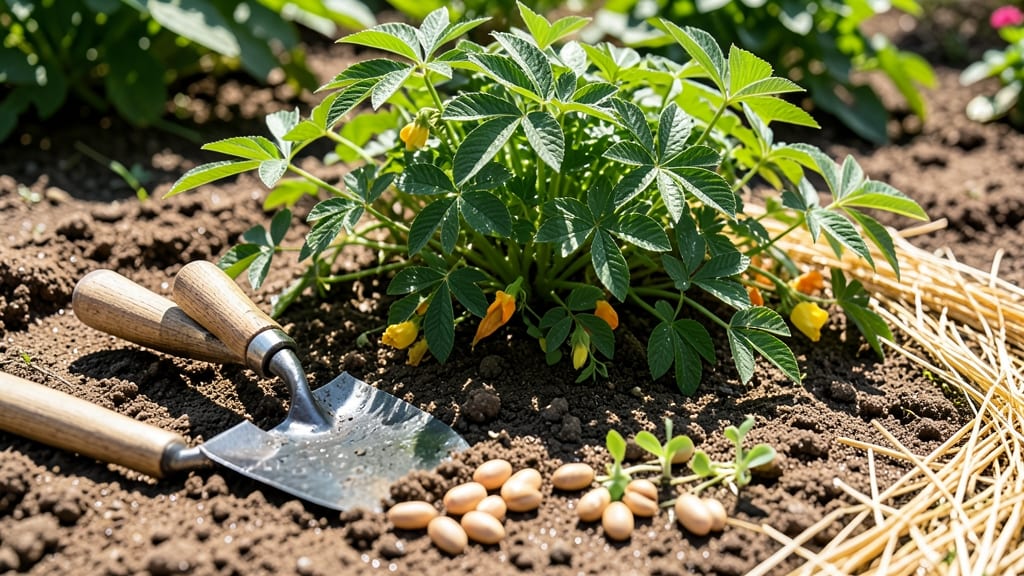
Planting peanuts in Georgia at the wrong time can mean the difference between a bumper crop of 🥜 and a total flop—especially when heat units (not just dates) determine success.
The key isn’t just waiting for spring; it’s tracking soil warmth and regional microclimates to align with your peanut variety’s needs.
Most Georgia growers know the general window is late April to early June, but without accounting for heat accumulation, you risk stunted growth or early frost damage. I’ll break down exactly how to time your planting for perfect harvests, whether you’re in cooler Zone 7a or warmer 9a.
Why does this matter? Because peanuts need 5,000–7,000 heat units to mature—and planting too early or late throws off that critical window. Let’s dive into the science-backed schedule that’s worked for Georgia farmers for decades.
You’ll discover how to use growing degree days (GDD) to fine-tune your planting, avoid common mistakes, and even adjust for rainfall patterns. Ready to grow peanuts like a pro? Let’s get started.
Georgia peanut planting dates by heat unit requirements (2024 guide)
Georgia’s peanut farmers know timing is everything—planting too early risks frost damage, while waiting too long cuts yields. Unlike many crops, peanuts thrive based on heat units (also called growing degree days or GDD), not just calendar dates.
For Georgia’s USDA zones 7a-9a, this means tracking 5,000–7,000 heat units from planting to harvest, with adjustments for North vs. South Georgia’s microclimates.
In North Georgia (zones 7a-7b), where cooler springs delay soil warming, aim to plant Virginia-type peanuts by mid-May to accumulate enough heat units before fall frost.
Meanwhile, South Georgia (zones 8a-9a) can start as early as late April for Runner or Spanish varieties, which mature faster and tolerate heat better. The key? Soil temperature must stay above 65°F for consistent germination—a rule that varies by variety and location.
Here’s the breakdown: Virginia peanuts need 6,500–7,000 heat units, while Runner and Spanish types thrive with 5,000–6,000 units. Miss this window, and you risk small pods, poor shelling, or total crop failure. Even a week’s delay can reduce yields by 15–20% in Georgia’s short growing season.
| Variety | Heat Units Needed | Best Planting Window (North GA) | Best Planting Window (South GA) | Soil Temp Requirement |
|---|---|---|---|---|
| Virginia | 6,500–7,000 | Mid-May to early June | Late April to mid-May | 65°F+ (consistent) |
| Runner | 5,000–5,500 | Late April to early May | Early April to late April | 60°F+ (minimum) |
| Spanish | 5,500–6,000 | Early May to mid-May | Late April to early May | 62°F+ (consistent) |
For North Georgia growers, the last frost date (around March 15 in zone 7a) signals the start of soil prep, but planting shouldn’t begin until after May 15 for most varieties.
Use a soil thermometer to confirm temperatures stay above 65°F for 5+ days—this is non-negotiable for germination.
In South Georgia, where frost is rare before January, you can plant Runner peanuts as early as late March, but wait until April 15 for Virginia types to avoid heat stress during flowering.
Pro tip: Check the University of Georgia Extension’s heat unit calculator (available online) to input your zip code and get a personalized planting window. This tool accounts for local weather patterns, like the 2023 drought that pushed many growers to plant 10–14 days later than usual.
Adjusting for rainfall forecasts can save your crop—drought stress during pod development leads to shriveled peanuts that won’t store well.
Once planted, peanuts need 120–150 days to mature, with harvest timing tied to leaf yellowing and pod firmness. In North Georgia, this often means early October, while South Georgia’s later plantings may extend into November.
Miss the harvest window, and peanuts absorb too much moisture, becoming moldy or rotten—a costly mistake for home and commercial growers alike.
Don’t overlook soil preparation, either. Peanuts hate compacted or waterlogged soil—amend with sandy loam and a pH of 5.8–6.5 at least 2 weeks before planting. In Georgia’s clay-heavy soils, consider raised beds to improve drainage.
And if you’re planting in containers, use large pots (12+ inches deep) with drainage holes to prevent root rot.
Finally, keep an eye on weather forecasts in the weeks leading up to planting. A cold snap (like the 2021 Easter freeze) can delay planting by 3–4 weeks, while unusually warm springs (like 2024’s early heat) may allow earlier sowing.
Flexibility is key—Georgia’s peanut season is short, and every day counts.
With the right heat unit timing, your peanuts will thrive from North Georgia’s Piedmont to South Georgia’s coastal plains. Start with the table above, then fine-tune using local data—your future harvest depends on it! 🥜
How to calculate heat units for your Georgia peanut planting schedule
Peanuts thrive in Georgia’s heat, but they need the right amount of warmth to mature properly. The Growing Degree Days (GDD) formula helps you pinpoint the exact moment to plant by tracking accumulated heat.
Unlike calendar dates, this method accounts for your specific microclimate—whether you’re in Zone 7a or Zone 9a.
Most peanut varieties require 5,000–7,000 heat units to reach harvest. Using GDD ensures your peanuts get enough warmth without overstaying their welcome in the heat. Let’s break down how to calculate this for your Georgia garden.
🌡️ Georgia Peanut Planting Heat Unit Rule of Thumb
Plant when your 5-day average soil temperature hits 68°F and you’ve accumulated 3,000–4,000 GDDs since your last frost. For Virginia-type peanuts, aim for 5,000 GDDs by harvest; for Runners, target 6,000–7,000 GDDs.
Start by gathering your local weather data. The USDA Planting Heat Unit Calculator is a free tool that simplifies this process. Input your zip code and select the base temperature of 50°F (the standard for peanuts). This tool will generate a heat unit forecast for your area.
Next, check the University of Georgia Cooperative Extension for regional adjustments. Their Peanut Production Guide includes heat unit maps tailored to Georgia’s North vs. South differences. For example, South Georgia (Zone 8a–9a) can plant earlier than North Georgia (Zone 7a–7b) due to warmer soils.
Use a soil thermometer to verify your calculations. Stick it 4 inches deep (where peanut roots grow) and monitor temperatures daily. Once your soil hits 68°F consistently and you’ve hit your target GDDs, it’s time to plant.
This method has helped Georgia farmers avoid early frost damage and drought stress for decades.
Don’t forget to adjust for rainfall forecasts. Peanuts need consistent moisture, but too much rain can delay heat accumulation. Use the National Weather Service’s 10-day outlook to fine-tune your planting date. With these tools, you’ll plant peanuts at the perfect heat unit window every time.