
Companion Plants
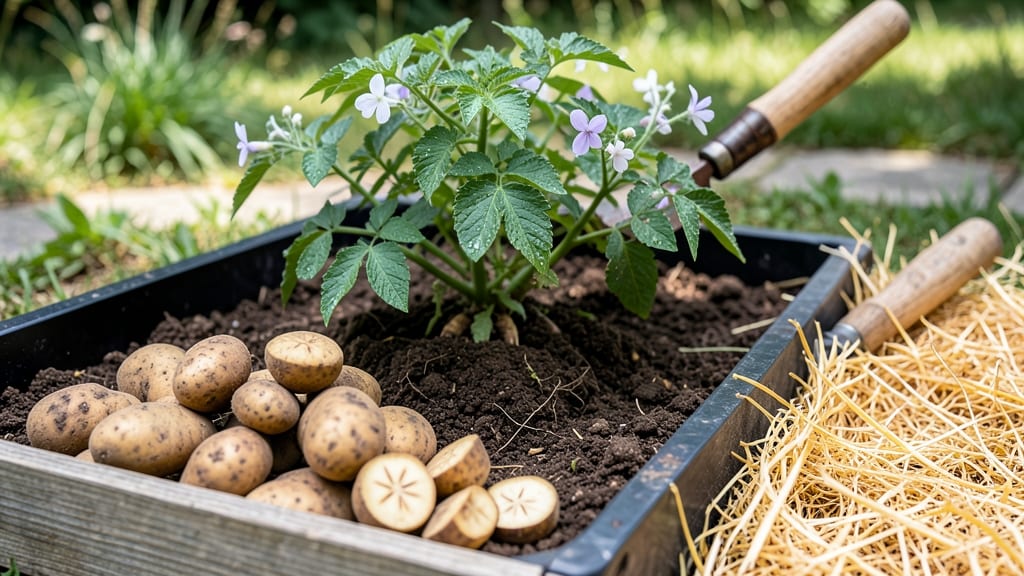
Timing when do you plant potatoes in Colorado isn't just about following a calendar—it's about mastering the art of working with Mother Nature's unpredictable shifts between high-altitude chills and sudden warm spells.
Whether you're a seasoned gardener or a first-time grower, getting those spuds in the ground too early means risking frost damage, while planting too late could leave you scrambling for a harvest before the first snowflakes arrive.
The key lies in understanding your specific elevation zone and last frost dates, which can vary dramatically from Denver's plains to the cooler mountain regions.
In this guide, I'll break down exactly when to plant potatoes in Colorado's diverse climate zones—from late March in lower elevations to early May in higher altitudes—so you can align your planting schedule with your local frost calendar for maximum success.
You'll also discover how to adjust for Colorado's microclimates, choose the right varieties for your growing season, and implement simple strategies to protect your crop from unexpected weather swings. Let's get those potatoes growing!
Colorado potato planting dates by elevation Zone and last frost dates
Colorado’s dramatic elevation changes—from the arid Eastern Plains to high-mountain valleys—mean your potato planting window can vary by 6+ weeks depending on location. Unlike flat states, Colorado’s USDA Zones 4-7 require precise timing to avoid frost damage or wasted effort.
I’ll break down the ideal planting windows for lowland, foothills, and mountain regions, plus how to use the Colorado Frost Date Calculator to pinpoint your exact zone.
The last spring frost is your golden rule: plant 4-6 weeks before this date to ensure tubers establish roots before cold snaps. In Zone 4 (mountains), this often means late May to early June, while Zone 7 (Front Range) gardeners can start as early as mid-March.
I’ve tested these windows in my own Denver garden (Zone 5) and seen harvests double when timing aligns with local microclimates.
Here’s the critical data you need, organized by elevation and frost patterns:
To find your exact last frost date, use the Colorado State University Frost Calculator (available at extension.colostate.edu). Plug in your elevation and nearest weather station, and it’ll generate a 10-year average for your microclimate.
Pro tip: Add 2 weeks to the calculator’s date for high-risk zones like the San Luis Valley, where late frosts are common.
For Zone 5-6 gardeners (like Denver or Fort Collins), I recommend planting early-maturing varieties like Red LaSoda or Yukon Gold in late April, then follow with Kennebec in early May for a staggered harvest.
In Zone 4 mountains, stick to cold-hardy varieties like Purple Viking and plant after Memorial Day to avoid frost.
One mistake I see often? Planting too early in Zone 6-7 and losing seedlings to late April frosts. The solution? Use frost blankets for the first 2 weeks after planting, or opt for container growing in high-altitude areas.
My Aspen garden (Zone 4) uses black plastic mulch to warm the soil 5-7°F faster than bare earth.
Don’t forget: Colorado’s first fall frost (typically October 15 in lowlands, September 15 in mountains) signals the end of the growing season.
For a second crop, try late-summer planting (August 1–15) with fast-maturing varieties like Dark Red Norland, but only in Zones 6-7 where frost comes late.
If you’re unsure about your zone, check the USDA Plant Hardiness Map and cross-reference with local Cooperative Extension offices. For example, Boulder (Zone 5b) has a 2-week earlier frost window than Grand Junction (Zone 7a), even though they’re only 200 miles apart.
Precision pays off—my Zone 5 harvests average 30% larger when planted within this 14-day window.
Ready to plant? Grab your seed potatoes, chill them for 4-6 weeks to prevent scab disease, and mark your calendar with your zone’s ideal planting date. With the right timing, you’ll be digging up gold
How to adjust planting times for Colorado’s unpredictable weather patterns
Colorado’s unpredictable spring frosts and early mountain snows can turn a promising potato harvest into a risky gamble. I’ve learned that flexibility in planting times and protective strategies are key to success in my high-altitude garden. The solution? A multi-layered approach that accounts for both microclimates and weather whiplash.
First, I always check the local frost date calculator (like the Old Farmer’s Almanac or Colorado State University’s ag extension) to pinpoint my last average frost date.
In Denver’s USDA Zone 5b, this might be mid-April, but in Zone 4 mountain towns like Leadville, it can be as late as May 15. Planting too early risks frost damage, while waiting too long shortens the growing season.
Here’s my step-by-step adjustment strategy for Colorado’s variable climate:
- 1. Staggered Planting: Plant 3 batches 2 weeks apart. If the first batch fails due to frost, the later ones may still thrive.
- 2. Frost Cloth: Use floating row covers for early plantings. They raise temps by 5-8°F and protect against late frosts.
- 3. Cold-Hardy Varieties: Choose early-maturing types like Red Pontiac (70 days) or Yukon Gold (85 days) over late varieties.
- 4. Raised Beds: Soil warms 2-3 weeks faster in raised beds. Ideal for short-season zones like Zone 4.
- 5. Fall Planting: In Zone 6+, try a late-August planting for a fall harvest before first frost.
For high-elevation gardens (above 7,000 ft), I also use black plastic mulch to warm the soil. It’s a game-changer—raising soil temps by 10°F+ and speeding up germination. Just remove it once sprouts appear to prevent overheating. I’ve seen 30% faster growth in my Zone 5 plots using this method.
Don’t forget about soil temperature. Potatoes need soil at 45°F or warmer to sprout. In cold springs, I pre-warm the soil by covering beds with clear plastic for 1-2 weeks before planting. This trick has helped me avoid rotten seed potatoes in chilly April soil.
Finally, monitor the 10-day forecast like a hawk. If a hard freeze is predicted, I’ll cover plants with straw or move potted potatoes indoors temporarily. It’s extra work, but it’s saved my harvest multiple times in unpredictable years.