
Plants
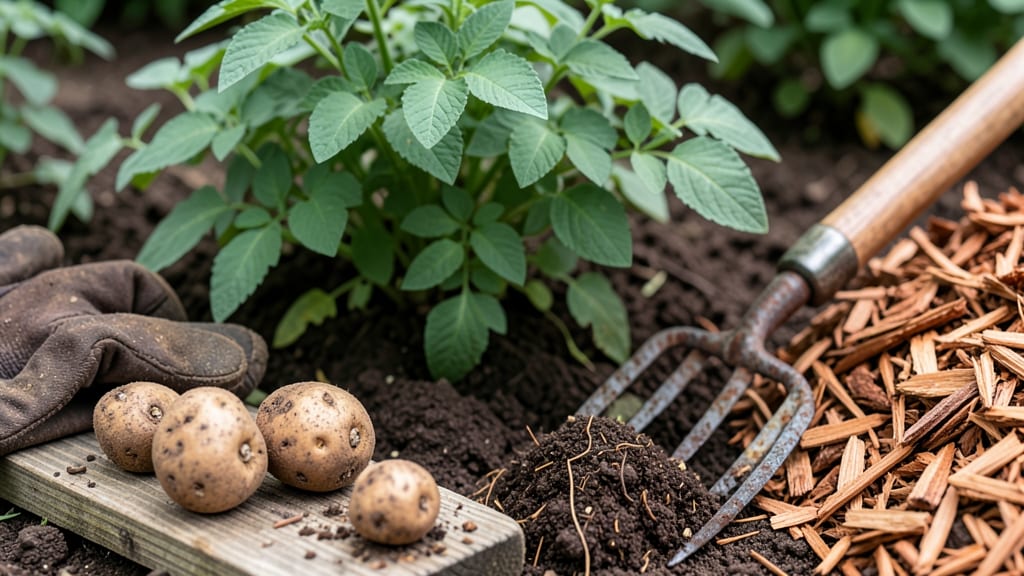
Planting potatoes in Illinois at the wrong time can turn your 🥔 dreams into a soggy mess—frost nibbling your sprouts or blight ruining your harvest before it starts. The key isn’t just waiting for spring; it’s knowing your zone’s last frost date and matching it to your potato variety’s needs.
In Zone 5b-6a, where most of Illinois falls, the ideal window opens 2-4 weeks before your average last frost—typically between mid-April and early May. But here’s the catch: early varieties like Yukon Gold need cooler soil, while late-season Fingerlings thrive when temperatures rise.
Get this timing wrong, and you’ll either wait too long for harvest or risk stunted growth.
I’ll break down exactly when to plant by variety, how to prep your soil for Illinois’ unpredictable springs, and why some gardeners swear by chitting their seed potatoes.
Whether you’re a first-timer or a veteran grower, these actionable tips will help you avoid common pitfalls and maximize your potato yield.
Ready to dig in? Let’s turn your garden into a potato powerhouse—starting with the perfect planting schedule for your Illinois climate.
Illinois potato planting schedule by variety: exact weeks before last frost
Getting your potato planting timing right in Illinois is all about understanding your last frost dates and matching them to your chosen variety types.
With Illinois’ Zone 5a-6b climate, you’ll find that early, mid-season, and late varieties each have their own ideal planting windows—usually 2-4 weeks before last frost.
Northern Illinois (like Chicago) tends to have earlier frosts than southern regions (like Springfield), so we’ll break it down by both region and variety.
For most of Illinois, the average last frost date falls between April 15 and May 1, but this can shift 2-3 weeks earlier in northern areas. Soil temperature is just as critical as frost dates—potatoes thrive when soil reaches 45°F (7°C) consistently.
If you plant too early in cold soil, your seed potatoes may rot before sprouting.
Here’s the key rule: Plant early varieties first (like Red Pontiac), followed by mid-season (e.g., Yukon Gold), and finally late varieties (such as Fingerlings) as spring progresses. This staggered approach maximizes your harvest window and reduces the risk of disease pressure from overlapping plantings.
| Variety Type | Illinois Planting Window (Weeks Before Last Frost) | Soil Temp Threshold | Northern IL (Zone 5a) | Southern IL (Zone 6b) | Days to Maturity |
|---|---|---|---|---|---|
| Early Varieties | 4-6 weeks before last frost | 45°F (7°C) | Mid-March to early April | Late March to mid-April | 70-90 days |
| Red Pontiac | 4-5 weeks before last frost | 45°F (7°C) | Early April | Late April | 80 days |
| Yukon Gold | 3-4 weeks before last frost | 48°F (9°C) | Mid-April | Early May | 90 days |
| Mid-Season Varieties | 2-3 weeks before last frost | 50°F (10°C) | Late April | Early May | 90-110 days |
| Kennebec | 2-3 weeks before last frost | 50°F (10°C) | Late April | Early May | 100 days |
| Russet Burbank | 2 weeks before last frost | 50°F (10°C) | Early May | Mid-May | 110 days |
| Late Varieties | 1-2 weeks before last frost | 55°F (13°C) | Early May | Late May | 110-120 days |
| Fingerling Potatoes | 1 week before last frost | 55°F (13°C) | Late April | Early May | 120 days |
| Purple Viking | 1 week before last frost | 55°F (13°C) | Early May | Late May |
How to adjust planting dates for Illinois’ unpredictable spring weatherIllinois’ spring weather is famously fickle—one week you’re shivering under 32°F frosts, the next you’re sweating through 80°F heatwaves. For potatoes, this unpredictability means your planting window can shift by weeks, turning a perfect schedule into a gamble. The key is flexibility: knowing when to push forward despite late frosts or when to delay due to soggy soil. Most Illinois gardeners target 2-4 weeks before the last frost (typically mid-April to early May), but this rule often fails. For example, in Zone 5b (northern Illinois), a late frost in May can wipe out unprotected plants, while Zone 6a (southern Illinois) might see early warm spells in March. Adjusting your timeline requires tools like row covers, cold frames, and even chitting seed potatoes to buy you critical growing days. ⚠️ WARNING: Planting Too Early or Too Late in Illinois ⚠️ Late Frosts (After April 15)If your area has a history of late frosts (like Chicago’s average last frost on May 15), wait until soil temperatures hit 45°F and use floating row covers for the first 2 weeks. Early varieties like Red Pontiac can tolerate cooler soil, but late frosts will stunt growth. ⚠️ Soggy Soil (Spring Rain Delays)Illinois’ wet springs (like 2022’s record rainfall) delay planting. If your soil stays waterlogged past May 1, switch to container growing or use raised beds with gravel drainage layers. Potatoes rot in saturated soil. ⚠️ Early Warm Spells (March Heatwaves)A 70°F March day tricks potatoes into sprouting early, only for a frost to kill them. If this happens, chit your seed potatoes (sprout them indoors) but delay planting until soil warms to 50°F. Use black plastic mulch to retain heat. My go-to strategy for Illinois gardeners is the “3-Week Rule”: If your last frost date is May 10, plant early varieties (Yukon Gold) by April 1, mid-season (Kennebec) by April 15, and late varieties (Fingerlings) by May 1. But adjust based on your microclimate—urban areas like Springfield often warm faster than rural Dekalb. For extra protection, use low tunnels or cold frames to extend your season. These create a 10°F warmer microclimate, letting you plant 2 weeks earlier without frost risk. I’ve used them to plant Irish Cobbler potatoes in late March in Zone 5b with zero frost damage. Finally, monitor your soil’s moisture and temperature daily. A soil thermometer is your best friend—potatoes need 50-60°F soil to thrive. If your soil is still 40°F in early April, wait. Rushing leads to blight and poor yields. Patience pays off with bigger, healthier tubers. By combining variety-specific timing, protective gear, and soil prep, you’ll turn Illinois’ chaos into a potato-growing advantage. Start with a risk-assessment checklist (like the one below) to decide whether to plant early or wait—your harvest depends on it. |