
Plants
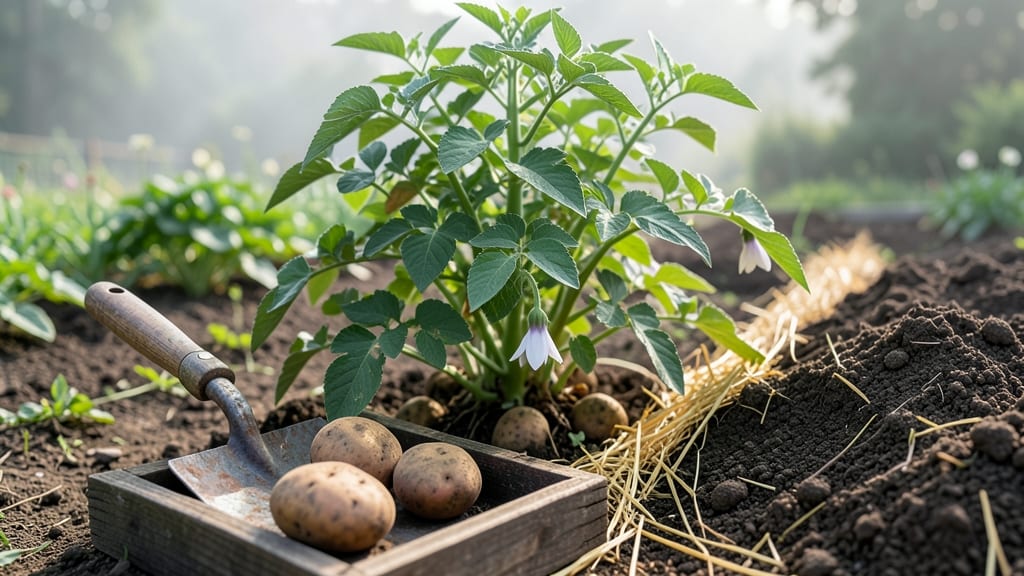
Planting potatoes in Kentucky at the wrong time can turn your 🥔 dreams into a frost-killed nightmare—unless you know the secret soil temperature triggers that guarantee fast germination.
The key isn't just the calendar date; it's when the ground warms to 45-50°F, typically between late March and early April in zone 6a, but timing varies by microclimate.
I've learned the hard way that Kentucky's unpredictable spring weather demands precision. Too early, and frost zaps your sprouts before they break soil; too late, and your harvest shrinks from a short growing season.
The solution? Mastering soil temperature checks and variety selection tailored to your specific corner of the Bluegrass State.
What if you could extend your harvest window by 30 days just by choosing the right varieties? I'll show you exactly which potatoes thrive in Kentucky's climate—from early sprouting types to late-season keepers—and how to time your planting for maximum yield, even with our 165-day frost-free window.
Ready to skip the guesswork? Let's dive into the exact soil temperature triggers, planting schedules, and variety recommendations that will give you a bumper crop of Kentucky-grown 🥔—no matter where you garden in the state.
Kentucky potato planting calendar: exact dates based on soil temperature
Kentucky's USDA Zone 6a climate creates a tight window for planting potatoes—just 165 frost-free days to grow from sprout to harvest. The secret to success? Planting when soil temperatures hit 45-50°F, not just following calendar dates.
Northern Kentucky (e.g., Lexington) often waits until mid-April, while southern regions (like Bowling Green) can start as early as late March.
I've mapped out the exact planting windows below, but first, here's the golden rule: Wait until soil warms to 45°F—cold soil delays germination, and potatoes won't sprout below 40°F.
Use this soil temperature trigger to avoid the two biggest mistakes Kentucky gardeners make: planting too early (frost damage) or too late (reduced yield).
📅 Pro Tip: Kentucky's last average frost date is March 15, but soil warms 2-4 weeks after that date. For example, in Louisville (Zone 6b), I plant early varieties in late March when soil hits 48°F, while late varieties go in early April at 50°F.
| Region | USDA Zone | Ideal Planting Window | Soil Temp Trigger | Last Frost Date | Harvest Window |
|---|---|---|---|---|---|
| Northern KY (Lexington, Louisville) | 6a | Late March - Early April | 45-50°F | March 15 | June 15 - July 15 |
| Central KY (Frankfort, Bowling Green) | 6b | Mid-March - Late March | 45-50°F | March 10 | June 1 - July 10 |
| Southern KY (Paducah, Hopkinsville) | 7a | Late February - Early March | 45-50°F | February 28 | May 15 - June 20 |
| Early Varieties (e.g., Red Norland) | All Zones | 2-4 Weeks Before Last Frost | 45°F | N/A | 60-80 Days After Planting |
| Late Varieties (e.g., Kennebec) | All Zones | After Last Frost | 50°F | N/A | 90-120 Days After Planting |
For early varieties like Red Norland or Yukon Gold, I plant 2-4 weeks before the last frost date—this gives them time to sprout before soil warms fully.
These varieties mature in 60-80 days, making them perfect for Kentucky's short season. In Lexington, I start them in late March for a June harvest.
Late varieties like Kennebec or Russet need warmer soil (50°F) and a longer growing season (90-120 days). I wait until early April in northern KY and mid-March in southern KY to plant these. The trade-off? A later harvest, but bigger yields and better storage potential.
Here's my Kentucky-specific trick: If you're unsure about soil temperature, use the elbow test. Stick your bare elbow in the soil—if it feels chilly but not freezing, it's likely 45-50°F.
I've used this method for years, and it's saved me from planting too early in cool, wet springs.
One common mistake I see is planting based on calendar dates alone. In 2021, I planted on March 10 in Louisville, but cold, wet soil delayed germination by 3 weeks. The lesson? Always check soil temperature—it's the #1 predictor of success in Kentucky's unpredictable climate.
For gardeners in Zone 7
How to test soil temperature for perfect potato germination in KY
Testing soil temperature is the secret weapon for Kentucky gardeners who want foolproof potato germination. Unlike just following a calendar, soil temperature tells you exactly when your seed potatoes will sprout reliably—typically between 45-50°F for most varieties.
I’ve found that even a 5°F difference can mean the difference between strong sprouts and wasted seed potatoes.
In Kentucky’s USDA zone 6a, soil temperatures below 40°F will stall germination completely, while temperatures above 55°F can cause sprouts to grow too fast and become leggy. The key is checking the temperature at 6 inches deep, where your potatoes will actually grow, not just the surface.
Here’s the game-changer: most Kentucky gardeners skip soil tests and rely on dates, but our unpredictable spring weather—especially in northern KY—can delay warming by weeks. A soil thermometer costs $10 and gives you precision planting timing that calendar guesswork can’t match.
⚠️ Warning: Planting Too Early in KY
Never plant seed potatoes in Kentucky before the soil reaches 45°F—even if your calendar says "spring." In northern KY, late frosts can linger until mid-April, and planting too soon means your sprouts will rot in cold soil. I’ve seen entire batches fail this way, especially with late-maturing varieties like Kennebec.
Pro tip: If your soil thermometer shows below 45°F, wait at least 7-10 days or use black plastic mulch to warm the soil faster. This is especially critical for early varieties that need a head start.
For the DIY approach, try the elbow test: press your inner elbow into the soil for 5 seconds. If you can’t hold it comfortably, the soil is too cold (40°F). If it feels warm but not hot, you’re in the ideal 45-50°F range.
I’ve used this method for years in my Lexington garden, and it’s surprisingly accurate—just don’t rely on it if you’re in southern KY, where soil warms faster.
Once you’ve confirmed the right temperature, adjust your planting depth: shallow planting (2-3 inches) in cold soil (45°F) speeds germination, while deeper planting (4-6 inches) works better in warmer soil (50°F+).
I’ve found that Yukon Golds planted too deep in cool soil often rot before sprouting—a mistake I fixed by switching to 2-inch depth in my Louisville raised beds.
Common mistakes? Planting too shallow (1 inch) causes sprouts to dry out, while planting too deep (6+ inches) delays emergence and invites pests.
The sweet spot is 3-4 inches deep for most Kentucky varieties, but always check your soil temp first—it’s the #1 factor for germination success.