
Plants
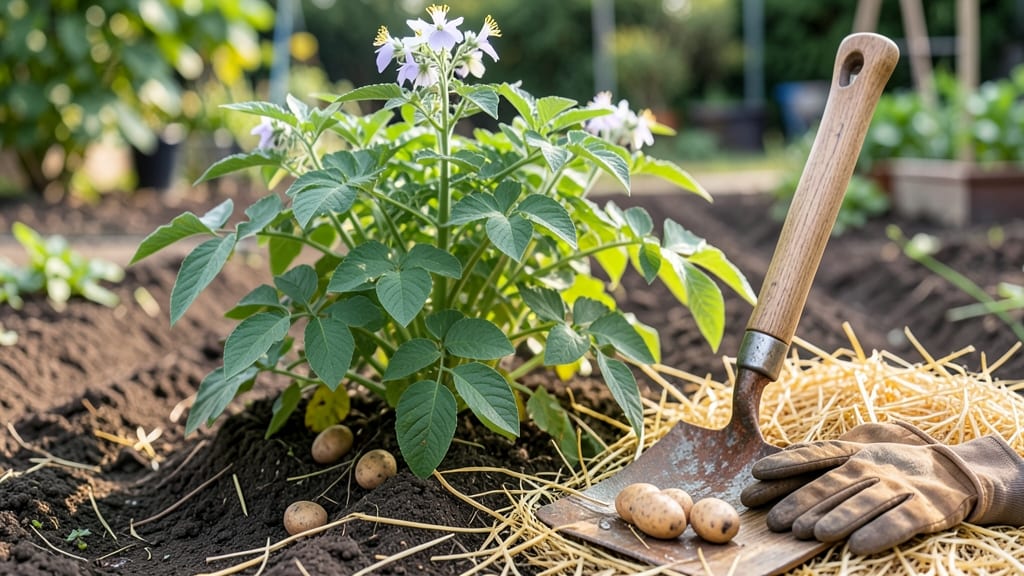
Planting potatoes in Missouri at the wrong time can mean the difference between a goldmine of spuds and a total flop—especially when frost lingers in Zone 5 or heat arrives early in Zone 6.
The key isn’t just picking a random spring weekend; it’s about soil warmth, last frost dates, and variety selection that aligns with Missouri’s unpredictable climate.
Most gardeners here aim to get seed potatoes in the ground by mid-April to early May, but that timeline shifts depending on whether you’re in St. Louis or rural areas near the Iowa border.
Chitting your seed potatoes indoors a few weeks before planting gives them a head start, but even that won’t help if the soil stays too cold. Let’s break down the exact window—and why missing it can cost you your harvest.
You’ll also discover how to tell when soil is truly ready (hint: it’s not just about air temperature), plus how urban heat islands in cities like Kansas City can push planting dates back by 10 days or more.
Whether you’re a backyard gardener or a small-scale farmer, these Missouri-specific tips will help you avoid common mistakes that waste time and resources.
From adjusting for late frosts to choosing the right varieties for your zone, this guide ensures you’re planting potatoes at the perfect moment—so you can dig up a bumper crop by summer’s end. Let’s get those 🥔 in the ground the right way.
Missouri’s ideal potato planting window: exact dates for USDA zones 5-6
Timing your potato planting in Missouri is all about balancing soil temperature, frost risk, and variety maturity. In USDA Zones 5-6, the window is tight—plant too early, and a late frost will kill tender sprouts; too late, and your harvest arrives after the first frost.
My experience shows that late March to mid-April is the sweet spot for most Missouri gardeners, but exact dates vary by location and variety type.
Missouri’s climate presents unique challenges: St. Louis (Zone 6a) often warms faster than rural areas (Zone 5b), while Kansas City falls somewhere in between. The key is monitoring soil temperatures, which should consistently reach 45°F (7°C) for planting—this typically happens when air temperatures hover around 50°F (10°C) at night.
I always use a soil thermometer to confirm readiness.
For early varieties (like Yukon Gold or Red Norland), aim for planting by April 15 in St. Louis and April 22 in rural areas.
These varieties mature in 70-90 days, giving them time to harvest before summer heat stress sets in. Late varieties (such as Russet or Kennebec) can wait until May 1 in most areas, as they take 90-120 days to reach maturity.
Here’s the critical frost window to remember: Missouri’s average last frost dates range from April 15 in southern zones to May 1 in northern zones. Planting too early risks frost damage to young plants, while waiting too long may result in a harvest during September’s early frosts.
My rule of thumb? Plant when you’ve had 3 consecutive days above 50°F (10°C) and no frost is forecasted for 10 days.
🌱 Pro Tip: If you’re unsure about timing, use chitted seed potatoes—sprouting them indoors 2-4 weeks before planting gives you a head start. Place seed potatoes in a bright, cool spot (around 50°F/10°C) and watch for 1-inch sprouts before planting.
This method works especially well for Zone 5 gardeners with shorter growing seasons.
| Location | USDA Zone | Ideal Planting Window | Soil Temp Threshold | Last Frost Date |
|---|---|---|---|---|
| St. Louis | 6a | Late March - April 15 | 45°F (7°C) | April 15 |
| Kansas City | 6b | Early April - April 22 | 45°F (7°C) | April 20 |
| Rural Northern MO | 5b | Mid-April - May 1 | 45°F (7°C) | May 1 |
| All Regions | 5-6 | After soil reaches 45°F | 45°F (7°C) | Varies by year |
Missouri’s clay-heavy soils can delay warming, so I always test soil temperature at 4-inch depth—surface temps can be misleading. If your soil is still cold by the recommended dates, consider using black plastic mulch to warm the soil faster.
This trick works wonders in Zone 5, where growing seasons are shorter. Just remove the mulch once plants emerge to prevent overheating.
Another factor to consider is daylength. Potatoes thrive with 14-16 hours of daylight, which Missouri sees by late May. Planting too late (after May 15) may result in bolting (premature flowering), which reduces tuber production.
I’ve found that early May plantings often yield better for late varieties, as they avoid the heat stress of summer.
For container gardening in Missouri’s urban areas, adjust your timeline slightly later. Pots warm up faster but also cool down quicker, so aim for April 22-May 1 in St. Louis. Use 5-gallon buckets with drainage holes and fill with a mix of compost and perlite to improve warmth retention.
Container-grown potatoes also benefit from white plastic pots, which reflect sunlight and keep roots cooler.
💧 Watering Tip: After planting, keep soil consistently moist but not soggy—potatoes need 1-2 inches of water weekly. In Missouri’s dry summers, I use drip irrigation to avoid wetting the foliage, which reduces blight risk.
Start watering deeply when flowers appear to encourage tuber formation. Stop watering 2 weeks before harvest to prevent skin splitting.
Finally, remember that harvest timing depends on your variety and goals. New potatoes can be dug as early as 50 days for quick meals, while storage potatoes need full maturity. In Missouri, most gardeners harvest between late July and September,
How to adjust planting for Missouri’s microclimates: urban vs. rural differences
Missouri’s urban heat islands can push planting dates back by 10-14 days compared to rural areas, while country gardens often see earlier soil warming thanks to open fields. These microclimate differences mean your neighbor’s perfect potato schedule might not work for your balcony or backyard.
Understanding these variations helps you avoid late frosts in cities or overheating in rural fields.
City gardeners in St. Louis or Kansas City face delayed soil warming due to concrete and pavement, while rural areas near Columbia or Springfield can plant 2 weeks earlier when nights stay above 40°F.
Even within the same zip code, a north-facing balcony may need adjustments compared to a south-facing raised bed. Let’s break down how to adapt your planting strategy.
🌱
🌆 Urban Gardening (Cities: St. Louis, Kansas City)
Pros:
- Extended season with heat islands
- More container options for small spaces
- Less frost risk in late spring
Cons:
- Soil warms slower (delay planting by 2 weeks)
- Limited space for traditional beds
- Pollution risks for young plants
🌾 Rural Gardening (Country: Columbia, Springfield)
Pros:
- Soil warms faster (plant 2 weeks earlier)
- More space for hilling
- Better drainage in native soils
Cons:
- Higher pest pressure (deer, raccoons)
- More frost pockets in low areas
- Clay-heavy soils need amending
For urban gardeners, start chitting seed potatoes indoors by mid-March and plant 2-3 weeks later than rural neighbors. Use black plastic mulch to warm soil faster in containers or raised beds. In cities, late-May frosts are more likely, so opt for longer-season varieties like Kennebec or Yukon Gold.
Rural gardeners should test soil temperature—plant when it hits 50°F consistently. Use straw mulch to retain moisture and row covers for early planting. In open fields, early varieties like Red Pontiac thrive with 90-day harvests, while Russet Burbank needs 120 days and should go in late April.
Both groups benefit from raised beds—they warm up 2-3 weeks faster than in-ground soil. Add compost to improve drainage in Missouri’s clay-heavy soils, and always plant 3-4 inches deep with 12-inch spacing for optimal tuber development.
Whether you’re in the city or country, monitor weather forecasts and adjust your timeline accordingly.
🌿