
Companion Plants
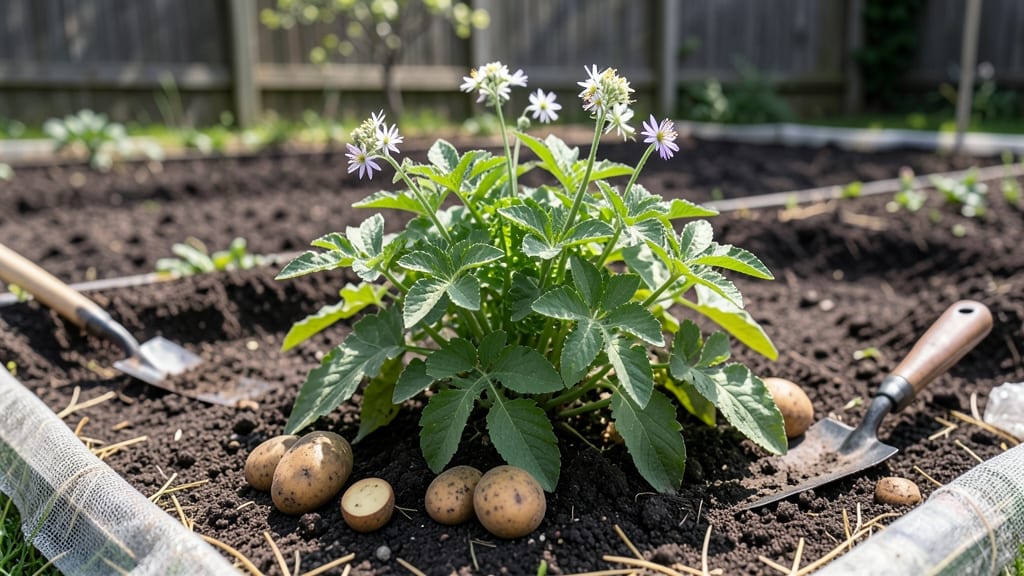
Planting potatoes in PA at the wrong time can mean the difference between a bountiful harvest and a total loss to frost or disease. With Pennsylvania's 5b-7a climate, getting the timing right is everything—whether you're growing early varieties in February or sticking to the traditional spring window.
Most gardeners know potatoes thrive in cool soil, but did you know the ideal planting window shifts depending on your exact zone? In colder regions like the Poconos, you might start as early as late February, while southern PA can wait until April.
The key is planting 2-4 weeks before your last frost date, typically around mid-April for most areas.
But here's where it gets tricky: fall planting is possible in PA, but only with the right varieties and timing.
If you're curious about extending your harvest season or maximizing your garden space, I'll show you exactly how to do it—plus the critical mistakes to avoid when experimenting with late-season potatoes.
Let's break down the exact dates, soil temperature thresholds, and regional adjustments you need to know for maximum yield in Pennsylvania's unpredictable climate. Your 🥔 harvest depends on it!
Best early spring planting dates for potatoes in Pennsylvania’s climate zones
Pennsylvania’s USDA hardiness zones 5a-7a create unique challenges for potato growers, where late frosts and short growing seasons demand precise timing. Planting too early risks frost damage, while waiting too long reduces tuber development before summer heat stress.
Ideal planting windows vary by microclimate—from the Poconos’ cooler zone 5a to Pittsburgh’s zone 6b—and hinge on soil temperature thresholds of 45°F (7°C) for consistent germination.
Most Pennsylvania gardeners should aim to plant potatoes 2-4 weeks before the last frost date, typically between mid-March and early April in most regions. However, early varieties like 'Yukon Gold' can tolerate cooler soils, while late-season varieties like 'Russet Burbank' need warmer conditions to establish before summer heat arrives.
The key is balancing frost risk with tuber development time—potatoes need 90-120 days to mature, so planting too late risks stunted growth.
Soil temperature is more critical than air temperature for potato planting. Use a soil thermometer to confirm 45°F (7°C) consistency at 4 inches deep—this ensures even germination. In zone 5a (e.g., Erie, Scranton), wait until late April when frost risk drops below 10%.
Meanwhile, zone 7a (e.g., Philadelphia, Harrisburg) can plant as early as mid-March, but cover seedlings with frost blankets if nights dip below 32°F (0°C). Timing isn’t just about dates—it’s about microclimate awareness.
Here’s how Pennsylvania’s three primary climate zones influence planting dates, soil requirements, and frost risk:
In zone 5a, where frosts linger into May, gardeners often use straw mulch or black plastic to warm soil faster and protect seedlings. For zone 7a, the window opens earlier, but summer heat can stress tubers—prioritize shade cloth during peak July temperatures.
Regardless of zone, planting depth matters: bury seed potatoes 4-6 inches deep to prevent frost heave and ensure consistent soil contact.
Pro tip: Chit your seed potatoes (sprout them indoors) 4-6 weeks before planting to jumpstart growth. Place them in a bright, cool spot (50-60°F) until 1-inch sprouts form—this gives you a 2-week head start on tuber development.
Pair this with well-draining soil (amend clay with compost) and full sun exposure to maximize yields. Even in PA’s unpredictable climate, precise timing and soil prep can turn a 50% success rate into a 90% harvest.
Watch for soil temperature fluctuations—a sudden cold snap can stall germination. If planting in early March (zone 7a only), use row covers to create a 5°F warmer microclimate. Avoid planting when soil temps drop below 40°F (4°C), as germination slows dramatically.
In zone 6b, where last frosts average April 15, aim to plant by March 20 for a full-season harvest by late September.
For container growing, adjust timing by 1-2 weeks earlier—pots warm faster
Fall planting potatoes in PA: risks, rewards, and exact timing for second harvests
Fall planting potatoes in Pennsylvania offers a second harvest opportunity but requires precise timing to avoid frost damage or blight risk. Unlike spring planting, late-season potatoes need cooler temperatures and shorter growing windows, making variety selection and soil prep critical.
This method works best in USDA zones 5b-7a where fall frost arrives between mid-October and early November.
One major reward of fall planting is earlier harvests the following year—potatoes planted in late summer develop tubers that mature faster in spring.
However, the risks include premature frost (which can damage foliage but often leaves tubers intact) and late blight, a fungal disease that thrives in cool, damp conditions. Choosing early-maturing varieties like 'Yukon Gold' or 'Red Norland' minimizes these risks.
To maximize success, aim to plant 6-8 weeks before your first expected frost date—typically late August to early September in most of PA. Soil temperatures should stay above 45°F (7°C) for optimal sprouting.
Use a soil thermometer to verify, as cooler soils slow germination. Plant seed potatoes 4-6 inches deep and space rows 2-3 feet apart to allow airflow and reduce disease spread.
⚠️ callout-warning
If you plant after mid-September in PA, tubers won’t mature before frost, even with fast varieties. Late plantings also increase late blight risk—a fungal disease that thrives in cool, wet autumns. Solution: Use row covers to extend the season by 2-3 weeks or opt for container growing in warmer microclimates.
Harvesting in fall requires strategic timing. Start checking for readiness 4-6 weeks after planting by gently digging up a few tubers. Look for firm, 2-inch diameter potatoes with brown stem ends—signs of maturity.
If frost threatens before harvest, use straw mulch to insulate soil and protect tubers. Cure harvested potatoes in a cool, dark place (50-60°F) for 1-2 weeks to thicken skins and improve storage life.
For second harvests, plant a mix of early and mid-season varieties in late summer. Early varieties like 'Early Rose' mature in 60-70 days, while mid-season 'Kennebec' takes 90 days.
Stagger plantings every 2 weeks to spread out harvests. In northern PA (zones 5a-6a), prioritize early varieties, while southern PA (zones 6b-7a) can handle slightly later plantings with better frost protection.
Protect your investment by monitoring weather forecasts and adjusting harvest dates accordingly. Fall-planted potatoes can yield comparable results to spring plantings if timed correctly—just avoid wet soil (which invites rot) and rotate planting locations yearly to prevent disease buildup.
With the right variety and timing, you’ll enjoy fresh spuds in early fall and a head start for next year’s garden.