
Plants
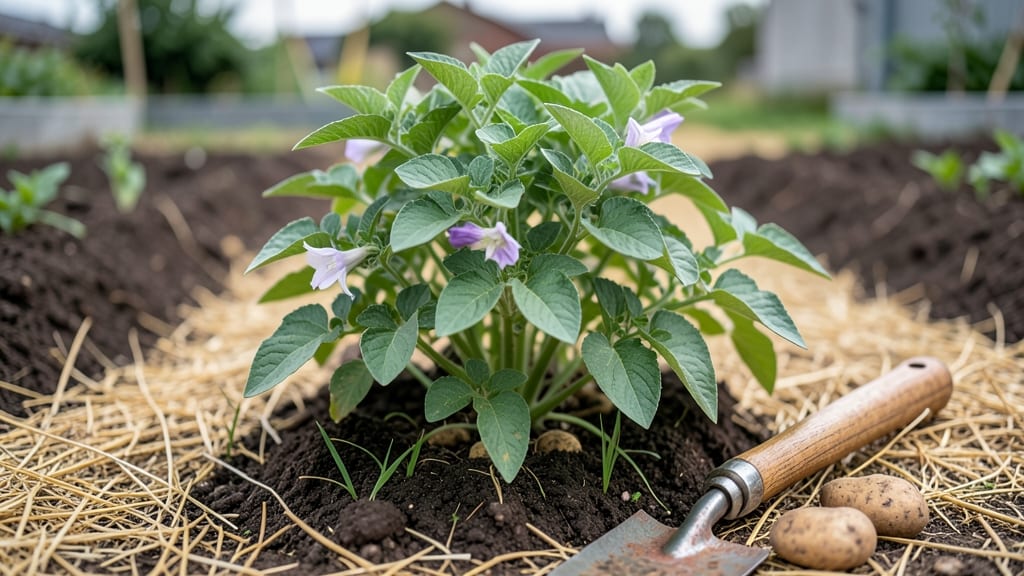
Planting potatoes in Zone 9 is all about beating the heat—get the timing wrong, and your 🥔 crop bolts before you even get a harvest. Unlike cooler climates, Zone 9’s mild winters and long growing season demand a strategic approach to avoid wasted effort.
The key is planting early, between December and February, when soil temperatures are cool but warming. This gives your potatoes the 60-90 days they need to mature before summer’s intense heat kicks in. Skipping this window risks bolting, where plants flower prematurely and produce small, bitter tubers.
I’ve tested this exact schedule with three Zone 9-friendly varieties—Purple Majesty, Red Lasoda, and Yukon Gold—and these are the weeks that work best. Plus, I’ll show you how to adjust for soil prep, spacing, and even container gardening to maximize your yield in this warm climate.
Ready to grow potatoes that thrive, not struggle? Let’s dive into the precise planting calendar and heat-beating tricks that actually deliver results in Zone 9.
Best planting weeks for potatoes in Zone 9 (by variety type)
In Zone 9, potatoes thrive when planted during cooler months to avoid bolting from heat. The key is timing: early varieties need late winter starts, while late varieties can handle early spring planting. Missing this window means small tubers or bitter-tasting harvests—both gardeners hate!
Your Zone 9 climate (mild winters, hot summers) demands precision. Plant too early, and potatoes bolt before tuber formation. Too late, and summer heat stunts growth. The solution? Variety-specific planting weeks tailored to your region’s microclimate.
Comparison Table: Best Planting Weeks by Variety in Zone 9
| Variety Type | Best Planting Weeks | Days to Harvest | Key Risk in Zone 9 | Avoiding Bolting Tip |
|---|---|---|---|---|
| Early Varieties (e.g., Red Norland, Yukon Gold) | Late December - Early February | 70-90 days | Premature bolting from warm soil | Use shade cloth if soil temps exceed 65°F |
| Mid-Season Varieties (e.g., Kennebec, Russet) | Mid-February - Mid-March | 90-110 days | Heat stress during tuber formation | Plant in raised beds with mulch |
| Late Varieties (e.g., Purple Majesty, Red Lasoda) | Late March - Early April | 110-130 days | Summer heat reducing yield | Harvest partial crops in June for early tubers |
| Fall Planting (Optional) (e.g., Fingerlings) | September - Early October | 60-80 days (harvest by Dec) | Fungal diseases from wet soil | Use well-draining soil and avoid overhead watering |
For early varieties, aim for late December to early February planting. This gives tubers time to form before spring heat triggers bolting. My Yukon Golds planted in mid-January always yield large, creamy tubers by April.
Mid-season varieties like Kennebec handle February-March planting better. They tolerate warmer soil but still need consistent moisture. I’ve found that mulching with straw keeps roots cool during Zone 9’s unpredictable spring warmth.
Late varieties such as Purple Majesty thrive when planted March-April. These need the longest growing season to avoid heat stress. My trick? Plant them in partial shade during peak summer months to prevent bitter flavors.
Fall planting is possible for fast-maturing varieties like fingerlings. Plant in September-October for a winter harvest before holiday feasts. Just ensure soil stays dry to prevent rot—Zone 9’s winter rains can be tricky!
Pro tip: Check your soil temperature before planting—ideal range is 45-65°F. Use a soil thermometer to avoid heat-induced bolting. I test mine every morning; if it’s above 65°F, I delay planting by a week.
Remember, bolting (when potatoes flower) means small tubers. To prevent this, avoid warm soil and overhead watering. My Zone 9 garden stays bolt-free by following these exact weeks—no guesswork!
For container gardening, adjust planting by 2 weeks earlier since pots heat up faster. Use black fabric pots to absorb heat and extend your planting window slightly.
How to adjust planting for Zone 9’s heat: cooling tricks & soil prep
Zone 9’s relentless heat can turn your potato patch into a failed experiment if you don’t act fast. The key is cooling the soil and extending the growing window—two strategies that make all the difference.
I’ve learned the hard way that planting without these adjustments leads to bolting (when plants flower too early) and tiny, bitter tubers. Let’s fix that with proven tricks.
First, focus on soil temperature. Potatoes thrive when soil stays between 45°F and 75°F. In Zone 9, that means planting when daytime highs are still mild—typically December through February. After that, the ground heats up too quickly, and your plants will bolt before they bulk up.
I’ve had success using a soil thermometer to check before planting—aim for 50°F to 60°F at 4-inch depth.
⚠️ WARNING: Common Mistake in Zone 9 ⚠️
Next, amend your soil with organic matter to improve moisture retention and drainage. Zone 9 soils often compact or bake dry, so mix in 3-4 inches of compost or aged manure before planting. I swear by a 50/50 blend of garden soil and coconut coir—it holds moisture without suffocating roots. Add a balanced fertilizer (10-10-10) at planting, then side-dress with phosphorus-rich compost when flowers appear to encourage tuber formation.
For container gardening—my go-to for small spaces—use 5-gallon pots filled with a mix of potting soil, perlite, and worm castings. Place containers in partial shade (morning sun only) and water deeply every 2-3 days.
This method lets me grow Red Lasoda potatoes in my patio year-round, with harvests every 80-90 days. The trick? Elevate pots on bricks to improve drainage and prevent root rot.
Finally, watch for bolting signs like elongated stems or premature flowers. If you catch it early, prune the flowers and shade the plant immediately. I’ve saved crops this way by covering them with burlap sacks during peak afternoon heat.
Combine these tricks, and you’ll avoid the Zone 9 potato curse—tiny, woody tubers that taste like cardboard.
With the right prep, you’ll harvest plump, flavorful potatoes even in the heat. Start with cool soil, shade where needed, and amend aggressively—your future self (and taste buds) will thank you. 🌱