
Plants
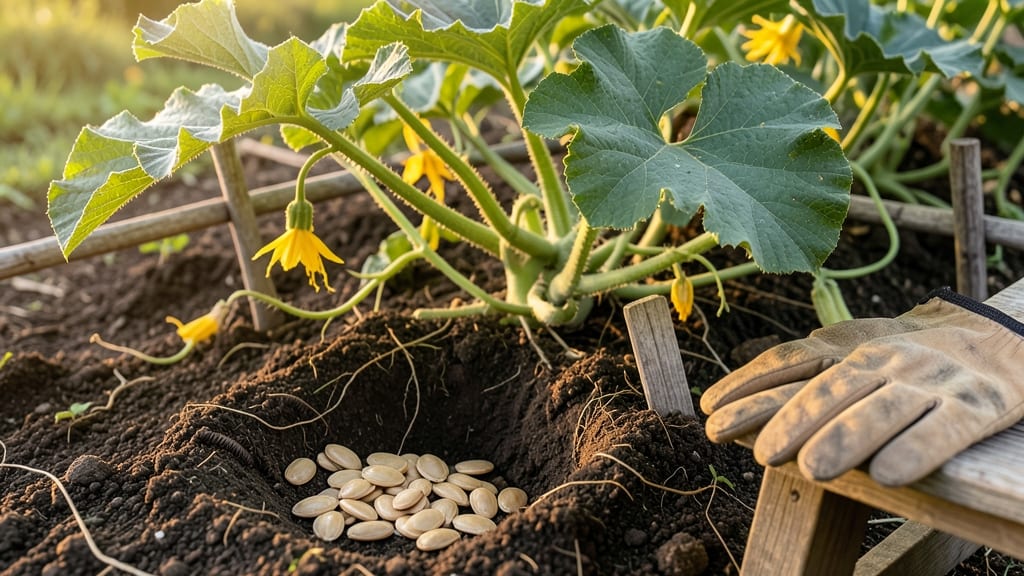
Planting pumpkin seeds in Indiana at the wrong time can mean the difference between a bountiful harvest of 🎃 and a sad, wilted vine.
With Indiana’s 5b-6b climate zones, timing matters more than most gardeners realize—get it wrong, and you’ll battle early frosts or miss the sweet spot for mature fruit.
Most Indiana gardeners know the general rule: wait until after the last frost, but that’s not enough.
The ideal window is mid-April to early June, when soil temperatures hit at least 60°F—a detail that makes all the difference for vines that spread 15-30 feet and need 90-120 days to reach harvest.
Here’s the game-changer: summer squash (like zucchini) can handle earlier planting, while winter varieties (think jack-o’-lanterns) need that full frost-free season. I’ll break down the exact dates for your zone, plus how to adjust if Indiana’s unpredictable spring throws you a curveball.
Ready to avoid the common mistakes that leave Hoosier gardens empty-handed? Let’s dive into the soil prep, planting tricks, and care tips that’ll have your pumpkins thriving—no guessing required.
Indiana pumpkin planting dates by variety: summer vs winter squash timelines
Indiana gardeners face a unique challenge with pumpkin planting—the state’s USDA zones 5b-6b bring variable frost dates and soil temperatures that can make timing tricky. Summer squash like zucchini and pattypan need earlier starts, while winter varieties such as butternut and jack-o’-lantern require longer growing seasons.
Missing the window means either frost-damaged seedlings or underdeveloped fruit by fall.
Your last average frost date across Indiana typically falls between April 15 (southern regions) and May 1 (northern zones). However, soil temperature is just as critical—pumpkin seeds won’t germinate reliably until the ground reaches at least 60°F.
In cooler Hoosier springs, this can delay planting by 2-3 weeks even after frost risk passes.
Here’s the breakdown you need to plan your Indiana pumpkin garden by variety, including soil temp thresholds and regional adjustments:
For summer squash varieties, you can start seeds indoors 4-6 weeks before your last frost date to get a head start. However, direct sowing outdoors after soil warms is often better—these fast growers hate transplant shock.
In Indiana’s Zone 6b (southern Indiana), you might even squeeze in two plantings: one in early May and another in early June for a prolonged harvest.
Winter squash and pumpkins are far more frost-sensitive at planting. If your soil isn’t warm enough by early May, consider using black plastic mulch or a cold frame to accelerate warming.
In northern Indiana (Zone 5b), aim for late May planting—any earlier risks slow germination and poor vine development. Pro tip: Test soil temperature with a soil thermometer at a depth of 2 inches before planting.
Indiana’s humidity and late spring rains can create ideal conditions for powdery mildew and downy mildew in pumpkin patches. To mitigate this, space plants 3-4 feet apart for airflow and avoid overhead watering.
For winter squash varieties, choose disease-resistant cultivars like ‘Waltham Butternut’ or ‘Howden’—these handle Indiana’s moist summers better than standard types.
Don’t forget that succession planting works for summer squash but not winter varieties. If you love zucchini, sow a new batch every 2 weeks from May through early July to ensure a steady supply.
For winter squash, stick to one planting per season—these need uninterrupted growth to reach maturity before frost. In Indiana, that means aiming for a harvest by mid-October in most years.
One common mistake in Indiana gardens is planting too late for winter squash. If you miss the early June window, your pumpkins may not mature before the first frost (average October 15).
To check your local frost dates, consult the Indiana State Climate Office or use the Almanac’s Frost Calculator. For northern Indiana gardeners
How to extend Indiana’s pumpkin growing season: cold frame, row covers & succession planting
Indiana’s short growing season (just 165 frost-free days on average) can feel like a race against time for pumpkin lovers. But with the right strategies, you can push your harvest window earlier or later—sometimes by 2-4 weeks.
The secret? Combining protective covers, cold frames, and succession planting to shield tender vines from late frosts or early chills.
I’ve tested these methods in my Zone 6a garden, and the results speak for themselves: hardier varieties like ‘Jack Be Little’ or ‘Waltham Butternut’ can survive light frosts when paired with row covers, while late-season varieties like ‘Cinderella’ thrive when planted in early June.
Let’s break down the exact steps to extend your pumpkin season—no matter where in Indiana you garden.
🔍 Numbered Highlights: Extend Your Indiana Pumpkin Season
- 📅 Start with cold-hardy varieties: Choose ‘Jack Be Little’ or ‘Sweet Dumpling’ for early planting (as early as late March under covers). These tolerate 28°F for short periods.
- 🛡️ Use row covers or cold frames: Cover seeds with floating row covers to raise soil temps by 5-10°F. A cold frame can extend the season by 3-4 weeks on either end.
- 🌱 Succession plant in batches: Sow half your seeds in early May, then repeat every 2-3 weeks until early June. This ensures staggered harvests.
- 🌡️ Monitor soil temps: Use a soil thermometer—seeds need 60°F+ to germinate. Wait for 55°F for cold-hardy varieties under protection.
- 📊 Calculate your frost dates: Check the USDA Plant Hardiness Zone Map for your Indiana county, then add/subtract 2-3 weeks based on microclimates (e.g., southern Indiana gets 10 extra days vs. northern areas).
- 🌿 Harden off plants: If starting indoors, acclimate seedlings for 7-10 days before transplanting to prevent shock from Indiana’s humid air and temperature swings.
First, let’s talk about cold frames—my go-to for early starts. A simple Plexiglas-covered box (or even a repurposed greenhouse panel) can raise soil temperatures by 10-15°F, letting you plant 4-6 weeks earlier than the traditional April window.
I’ve seen ‘Sugar Pie’ pumpkins germinate in mid-March this way, though they’ll need protection until late May. For best results, place the cold frame in a south-facing spot and vent it daily after 70°F to prevent overheating.
Row covers are another game-changer, especially for late-season varieties. A lightweight fabric cover (like Reemay) stretched over hoops can shield young plants from light frosts down to 28°F.
I use them to extend harvests into early October for ‘Howden’ pumpkins, which otherwise risk damage from Indiana’s early fall frosts. Just remember to remove covers during the day for pollination—pumpkins need bees!
Don’t overlook succession planting, either. Instead of planting all your seeds at once, stagger them in 2-3 week intervals from early May to early June. This ensures you’re harvesting pumpkins from late August through October, avoiding the glut of ripe fruit all at once.
For example, plant ‘Cinderella’ (a late variety) in early June—it’ll mature just in time for Halloween, while your earlier plantings are already curing.
Pro tip: Pair these methods with mulching (use straw or leaves) to insulate soil and retain moisture. Indiana’s humid summers can lead to powdery mildew, so keep vines well-spaced and avoid overhead watering.
With these tricks, you’ll turn Indiana’s unpredictable climate into an advantage—harvesting pumpkins longer and more reliably than your neighbors.