
Flowers
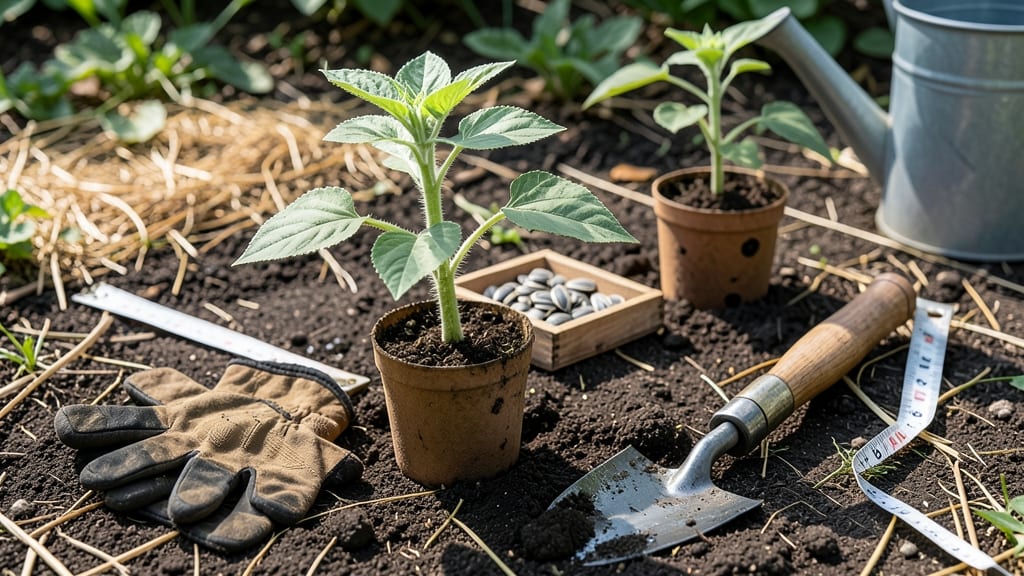
Planting sunflowers in Alabama at the wrong time can mean watching your 🌻 dreams wilt before they even bloom—especially when late frosts sneak in. The key to success lies in understanding your local microclimate, whether you're in cooler North Alabama or warmer South Alabama, where frost-free windows shift dramatically.
Most gardeners in 7b-8b zones reach for their seeds between late March and early April, but that timing changes fast depending on elevation and urban heat pockets. Even a 2-week difference can mean the difference between towering blooms and sad, stunted plants.
I’ll break down exactly when to plant for your specific corner of the state—plus how to pick varieties that thrive in Alabama’s heat and humidity. Whether you’re growing for show-stopping flowers or protein-rich seeds, these insights will help you avoid common mistakes and maximize your harvest.
Ready to turn your garden into a sunflower paradise? Let’s dive into the perfect planting schedule tailored just for Alabama’s climate quirks.
Alabama sunflower planting calendar by region: avoiding frost zones
Alabama’s three distinct climate zones mean your sunflower planting dates should shift depending on whether you're in North Alabama’s cooler hills, Central Alabama’s moderate valleys, or South Alabama’s subtropical heat.
Getting this right ensures your Helianthus annuus reaches its full 10-14 foot potential without frost damage. Let’s break down the optimal planting windows for each region.
First, check your last frost date—this is your planting deadline. In North Alabama (USDA Zone 7b), late frosts can linger until April 15, while South Alabama (Zone 8b) often sees its last frost by March 15.
Central Alabama falls somewhere in between, typically around March 30. Planting too early risks frost-killed seedlings, while waiting too long may mean shorter stems and smaller blooms.
Soil temperature matters just as much as air temperature. Sunflower seeds need soil temps above 55°F (13°C) to germinate properly.
In North Alabama, wait until mid-April when soil warms consistently. Central Alabama gardeners can start as early as late March, and South Alabama may even see success with February plantings in protected microclimates. Use a soil thermometer to confirm readiness—this small tool prevents costly mistakes.
Here’s how the three regions compare for sunflower planting, including last frost averages, ideal soil temps, and recommended varieties that thrive in each zone:
| Region | USDA Zone | Avg. Last Frost | Ideal Planting Window | Soil Temp for Germination | Best Varieties |
|---|---|---|---|---|---|
| North Alabama | 7b | April 15 | Mid-April to early May | 55°F+ (13°C+) | 'Autumn Beauty', 'Moulin Rouge' |
| Central Alabama | 8a | March 30 | Late March to early April | 55°F+ (13°C+) | 'Teddy Bear', 'ProCut Hybrid' |
| South Alabama | 8b | March 15 | February to mid-April | 50°F+ (10°C+) | 'Russian Giant', 'Sunspot' |
For North Alabama gardeners, focus on fast-maturing varieties like 'Autumn Beauty' to ensure blooms before the first fall frost in November. These plants typically reach maturity in 80-90 days, giving you a three-month window from planting to harvest.
If you’re in Central Alabama, you have more flexibility—planting in late March allows for taller varieties like 'Moulin Rouge' to thrive, reaching heights of up to 12 feet.
In South Alabama’s warmer climate, you can even experiment with winter plantings for early spring blooms. Varieties like 'Russian Giant' can handle the milder winters and produce massive 14-foot stalks when given enough space.
However, be cautious—overly wet soils in South Alabama’s rainy season can lead to root rot, so prioritize well-draining soil and consider raised beds if your garden stays soggy.
Pro tip: If you’re unsure about your local frost dates, check with your county extension office or use a frost calendar app. These resources provide hyper-local data that can shift planting dates by 1-2 weeks depending on your exact location.
For example, Huntsville (North AL) might see frosts until April 20, while Birmingham (Central AL) averages April 10, and Mobile (South AL) rarely sees frost after March 1.
One common mistake is planting sunflowers too deep. Seeds should only be 1 inch below soil level—any deeper, and they may rot before germinating. After sowing, keep the soil consistently moist (not soggy) until seedlings emerge, which typically takes 7-14 days depending on soil temperature.
Once they’re 3-4 inches tall, you can thin seedlings to 12-18 inches apart to give them room to grow.
Remember, sunflowers are heliotropic—they follow the sun! This means young plants will bend toward sunlight until they reach maturity. If you’re growing them for cut flowers or seed production, stake taller varieties like 'Russian Giant' to prevent them from toppling in storms.
In South Alabama’s hurricane-prone areas, consider short, bushy varieties like 'Teddy Bear' that stay under 3 feet tall.
Finally, don
Microclimate factors that change sunflower planting timing in Alabama
Alabama's diverse geography means your sunflower planting timeline can shift dramatically depending on where you live. In mountainous North Alabama, cooler temperatures often delay planting by 2-3 weeks compared to the state's southern regions.
Meanwhile, urban heat islands in cities like Birmingham can create microclimates warm enough for earlier planting by 1-2 weeks than surrounding rural areas.
Even within a single county, proximity to water bodies like the Tennessee River or Lake Martin creates localized climate variations. Areas near these water sources experience milder winters and warmer springs, allowing sunflowers to be planted up to 4 weeks earlier than inland locations at similar latitudes.
This microclimate effect is particularly noticeable in West Alabama near the Tombigbee River.
🌱 Alabama Sunflower Planting Adjustments by Microclimate
| Microclimate Factor | Planting Adjustment | Example Location |
|---|---|---|
| Elevation (1000+ ft) | Delay by 2-3 weeks | Huntsville, AL |
| Urban Heat Island | Advance by 1-2 weeks | Birmingham, AL |
| Lake Proximity (<1 mile) | Advance by 2-4 weeks | Decatur (Lake Martin) |
| Container Gardening | Advance by 1-2 weeks | Any urban balcony |
💡 Pro Tip: Use local weather stations (like Alabama A&M's AgriMet) to track soil temperatures—aim for 60°F+ for optimal germination.
For container gardeners in small urban spaces, microclimates work in your favor. Pots absorb and retain heat differently than soil, allowing you to plant sunflowers 1-2 weeks earlier than ground planting.
Choose dwarf varieties like 'Teddy Bear' for containers, as they mature faster in these warmer microenvironments. Just ensure your containers have drainage holes to prevent root rot from excess heat.
If you're near large bodies of water, monitor wind patterns too. Coastal breezes in South Alabama can create drier microclimates that require additional mulching to retain moisture.
In these areas, consider drought-tolerant varieties like 'ProCut' and plant 2 weeks later than inland schedules to avoid early bolting from heat stress.
One often-overlooked factor is building materials. Dark roofs and brick walls in urban areas create "heat pockets" that can extend your growing season by 10-14 days.
Place sunflower containers near south-facing walls to maximize this effect, but be prepared to water more frequently as these microclimates dry out faster. A simple soil thermometer can help you determine the optimal planting window for these specialized locations.
Remember that these microclimate adjustments are relative to Alabama's general planting guidelines. Even with local variations, you should never plant sunflowers before your average last frost date (typically mid-March in South Alabama to early April in North Alabama).
Use these microclimate insights to fine-tune your timing rather than completely override regional norms.