
Flowers
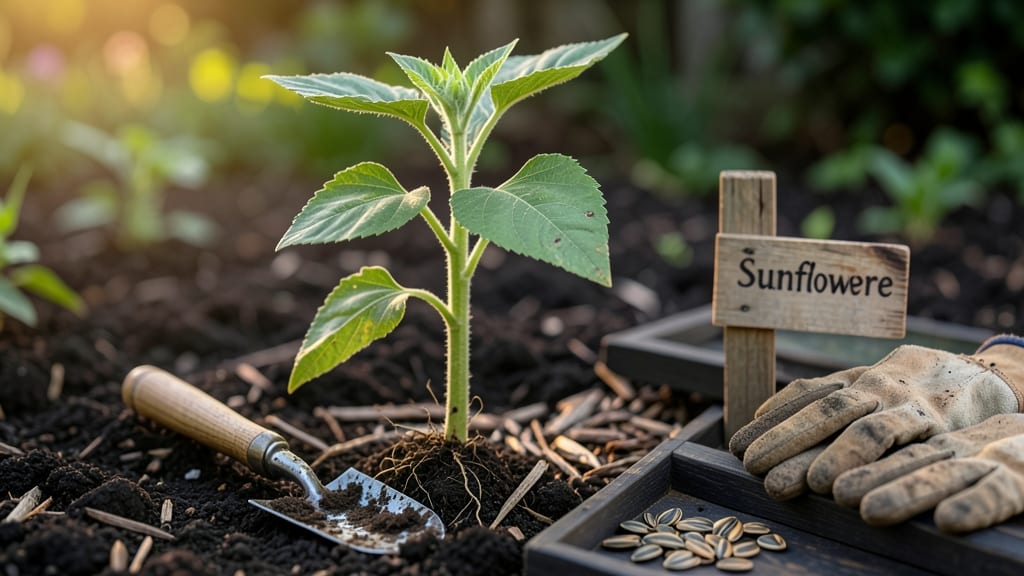
Planting sunflowers in Indiana at the wrong time can turn your bright 🌻 dreams into wilted disappointment—but getting the timing right means towering blooms that last from July to October. With Indiana’s USDA Zone 6a climate and unpredictable frost dates, knowing exactly when to plant is the key to success.
Most gardeners in Indiana wait until after the last frost date, typically mid-April, but cooler microclimates in northern counties may need to delay until early May. The secret lies in soil temperature—wait until it reaches at least 55°F to ensure strong germination and rapid growth.
Whether you’re growing tall varieties for cut flowers or dwarf types for containers, timing matters. Plant too early, and frost will nip seedlings in the bud. Too late, and you might miss the 70-day growing window needed for full blooms before fall frost arrives.
In this guide, I’ll break down the exact planting windows for Indiana’s regions, share frost-resistant varieties, and reveal soil prep tricks to give your sunflowers the best possible start. Let’s get those seeds in the ground at the perfect moment!
Indiana sunflower planting deadlines by county: avoid frost damage with exact dates
Indiana’s 92 counties span from USDA Zone 5b in the north to Zone 6b in the south, creating a 3-week difference in last frost dates. This means your sunflower planting window can shift from mid-April in southern Indiana to late May in the northern tier.
Getting this timing right ensures your 🌻 sunflowers reach their full height before fall frost arrives in October.
Most Indiana gardeners focus on tall varieties like ‘Moulin Rouge’ or ‘Russian Giant,’ but dwarf types (2–3 ft) and confection sunflowers (edible varieties) have different timing needs. For example, confection sunflowers like ‘Autumn Beauty’ need a 70–80 day growing season, while tall varieties can stretch to 120 days.
Let’s break down the exact planting deadlines by region to avoid frost damage.
Here’s the critical rule: Plant sunflowers 2–3 weeks after your county’s last frost date, but only when soil temperatures hit 55°F (13°C). Cooler soils delay germination, and seedlings won’t survive if frost hits.
Use a soil thermometer to check—it’s the #1 mistake Indiana gardeners make when planting sunflowers too early.
| Region | Counties | Last Frost Date | Optimal Planting Window | Best Varieties |
|---|---|---|---|---|
| Northern | Lake, Porter, LaPorte, Steuben, Kosciusko | May 10–15 | May 1–15 (soil at 55°F) | ‘Autumn Beauty’ (70 days), ‘Teddy Bear’ (dwarf) |
| Central | Hamilton, Marion, Boone, Hendricks, Johnson | April 20–25 | April 15–May 5 | ‘Moulin Rouge’, ‘Russian Giant’ (120 days) |
| Southern | Vanderburgh, Gibson, Posey, Switzerland, Perry | April 5–10 | March 25–April 15 | ‘Sunspot’ (dwarf), ‘ProCut’ (cut flowers) |
⚠️ Note: Adjust for microclimates—valleys frost later than hilltops.
Southern Indiana’s earlier frost dates let you plant sunflowers as early as late March, but wait until soil warms to avoid rot-prone seedlings. In contrast, northern counties like LaPorte or Lake should hold off until May 1 to avoid late-spring frosts.
Pro tip: Use black plastic mulch to warm soil faster in cooler regions—this can shave 1–2 weeks off your planting timeline.
For tall sunflowers, aim to plant by May 15 in most of Indiana to ensure they reach maturity before the first frost in October. Dwarf varieties like ‘Teddy Bear’ are more forgiving—they can handle slightly later plantings (up to June 1) but may produce smaller blooms.
If you’re growing confection sunflowers for seeds, prioritize early planting to maximize seed yield before frost.
Historical frost data shows that northern Indiana averages 3–4 late frosts after April 15, while southern counties rarely see frost after April 10. To hedge your bets, start seeds indoors in biodegradable pots 2–3 weeks before your county’s last frost date.
Transplant seedlings outdoors once the soil is warm, and use row covers for the first week to protect against unexpected cold snaps.
One game-changing tip: Plant two successions—one in early spring (for early blooms) and another in late May (for fall color). This extends your sunflower season from July to October and ensures continuous blooms.
Just be mindful of overcrowding: Sunflowers need 12–24 inches of space, depending on the variety, to avoid competition for nutrients.
If you’re in USDA Zone 5b (northern Indiana), consider cold-hardy varieties like ‘Autumn Beauty’ or ‘Moulin Rouge,’ which can tolerate light frosts once established. For southern Indiana, you can push the envelope with early planting and even try a fall succession in late July for late-season blooms.
Just remember: Sunflowers need 6–8 hours of sun daily, so choose a south-facing garden bed for best results.
Finally, keep an eye on your local weather forecasts in the weeks leading up to planting. A 5-day forecast predicting
How to extend Indiana’s sunflower growing season: cold-hardy varieties and soil prep hacks
Indiana’s short growing season and unpredictable frost dates can make sunflower gardening challenging, but with the right cold-hardy varieties and soil prep tricks, you can push blooms earlier or later than usual.
The key is selecting frost-resistant types like ‘Autumn Beauty’ or ‘Moulin Rouge’, which thrive in cooler temperatures and extend your harvest window.
Timing matters—planting too late risks stunted growth, while early planting can lead to frost damage. For Indiana’s USDA Zone 6a, the ideal window is mid-April to early June, but with strategic adjustments, you can start as early as late March or delay until July for late-season blooms.
Soil temperature is critical: seeds won’t germinate well below 55°F. Use black plastic mulch or straw covers to warm the soil faster, especially in cooler northern counties like Lake or Porter. This hack can shave off 1–2 weeks from your growing season.
For extended blooms, consider companion planting with basil or marigolds, which deter pests and improve soil health. Pairing sunflowers with legumes like clover also adds nitrogen to the soil, boosting growth. These partnerships can help your plants mature 10–15% faster.
Early vs. Late Planting: Trade-Offs for Indiana Sunflowers
Early Planting (Late March–April)
- ✅ Pros: Longer bloom time, taller stalks
- ✅ Pros: Avoids summer heat stress
- ✅ Pros: Better for northern Indiana
- ❌ Cons: Frost risk for seedlings
- ❌ Cons: Slower early growth
- ❌ Cons: Needs row covers
Late Planting (June–July)
- ✅ Pros: Avoids spring frost
- ✅ Pros: Shorter, stockier plants
- ✅ Pros: Better for southern Indiana
- ❌ Cons: Smaller blooms
- ❌ Cons: Shorter harvest window
- ❌ Cons: Heat stress risk
If you’re aiming for late-season blooms, try ‘Teddy Bear’ or ‘Moulin Rouge’, which handle cooler temps better than standard varieties. For early starts, ‘Autumn Beauty’ is a top pick—its rust-colored petals add drama and it tolerates light frost once established.
For soil prep, focus on drainage—Indiana’s clay soil can suffocate roots. Mix in compost or sand to improve texture, and avoid over-fertilizing, which leads to leafy growth at the expense of blooms.
A balanced 10-10-10 fertilizer applied at planting and again in early June keeps plants strong without excess foliage.
With these cold-hardy varieties and soil hacks, you can enjoy sunflowers from June through October, turning your Indiana garden into a year-round display of joy. Start experimenting with timing this year—your future blooms will thank you! 🌻