
Flowers
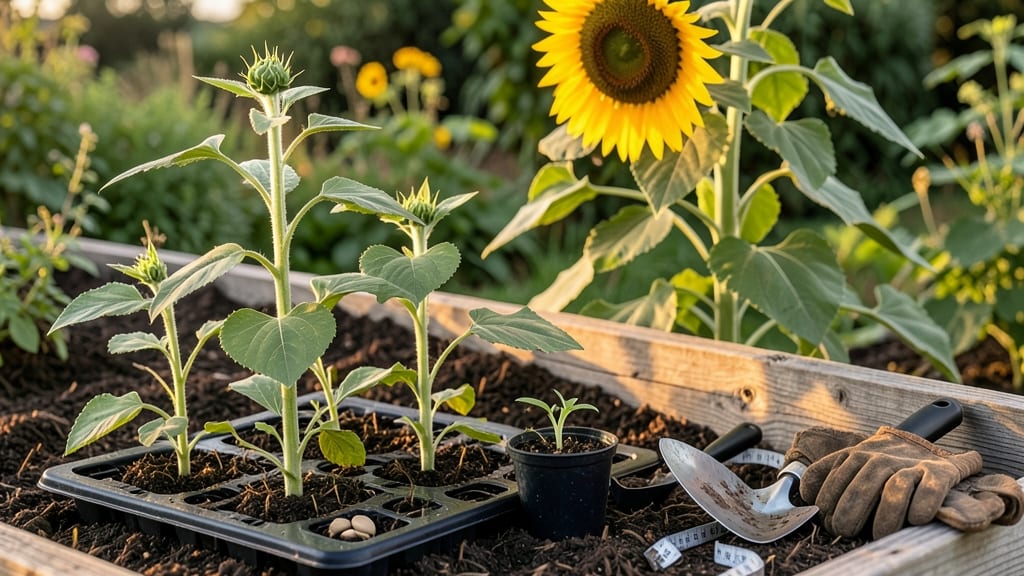
Planting sunflowers in Michigan isn’t just about tossing seeds into the soil—it’s about catching that narrow window between frost and summer heat where your 🌻 thrives. Get the timing wrong, and you’ll end up with leggy, weak stems or flowers that bolt before they even bloom.
The key? Knowing your USDA zone (5b-6b) and when your last frost typically arrives, because Michigan’s climate can throw curveballs even in the same county.
Most gardeners in the Lower Peninsula wait until mid-April to early June to sow sunflower seeds directly outdoors, but that’s just the starting point. Up north in the Upper Peninsula, you might need to push planting back by 2-3 weeks to avoid late frosts.
The secret isn’t just the calendar—it’s the soil temperature. Your seeds won’t sprout reliably until the ground warms to at least 50°F, and that can mean waiting until late May in cooler microclimates.
Here’s what I’ll show you: exactly how to time your planting for maximum height and bloom, which varieties handle Michigan’s short season best, and how to adjust if you’re dealing with an early spring or a late summer.
Whether you’re growing ‘Moulin Rouge’ for its vibrant petals or ‘Russian Giant’ for seeds, getting this right means the difference between a 6-foot disappointment and a 12-foot showstopper.
Let’s dive into the frost-free strategy that’ll have your sunflowers towering over your fence by July—no guesswork, just proven techniques for Michigan’s unpredictable growing season.
Michigan’s frost zones & ideal sunflower planting dates by month
Michigan’s USDA frost zones 4-6 create a unique challenge for sunflower growers, with last frost dates ranging from mid-April in southern Michigan to early June in the Upper Peninsula.
These differences mean your planting window shifts dramatically depending on where you live—whether you’re in Detroit’s zone 6b or Marquette’s zone 4b. Sunflowers thrive in warmth, so planting too early risks frost damage before they sprout, while waiting too long may cut your blooming season short.
For most of Michigan, the ideal planting window spans from mid-April to early June, but this varies by region.
In southern Michigan (zones 5b-6b), you can start as early as late March indoors or mid-April outdoors, while northern Michigan (zones 4a-5a) gardeners should wait until late May to avoid frost.
The key is soil temperature: sunflowers won’t germinate well until the soil reaches at least 50°F.
Direct sowing is the preferred method for sunflowers in Michigan, as they hate transplanting. However, if you’re eager to get a head start, you can start seeds indoors 2-3 weeks before your last frost date, using biodegradable pots to minimize root disturbance. Just be prepared to harden off seedlings for 7-10 days before moving them outside.
Here’s a month-by-month breakdown of when to plant sunflowers in Michigan’s frost zones, including adjustments for early/late springs and succession planting for extended harvests:
| Zone | Last Frost Date | Direct Sow Outdoor | Indoor Start (Transplant) | Notes |
|---|---|---|---|---|
| Zone 4a (UP) | Late May | Late May to early June | Early May (2-3 weeks before last frost) | Use row covers for early starts; choose fast-maturing varieties. |
| Zone 4b (UP) | Early May | Early to mid-May | Late April (2-3 weeks before last frost) | Soil warming mats help speed germination in cooler zones. |
| Zone 5a (Northern MI) | Mid-April | Mid-April to early May | Late March (3-4 weeks before last frost) | Ideal for dwarf varieties; succession plant every 2 weeks. |
| Zone 5b (Central MI) | Early April | Late March to early April | Early March (4 weeks before last frost) | Best for standard and semi-dwarf varieties; watch for late frosts. |
| Zone 6a (Southern MI) | Mid-March | Early to mid-April | Late February (5-6 weeks before last frost) | Longest growing season; great for giant varieties like ‘Russian Giant.’ |
If you’re dealing with an early spring (like the 2021 freeze that hit Michigan in April), delay planting until soil temperatures consistently stay above 50°F. Use a soil thermometer to check—sunflowers won’t germinate in cold soil.
For late springs, opt for fast-maturing varieties (like ‘Teddy Bear’, which blooms in 50-55 days) or start seeds indoors to give them a head start.
For succession planting, sow new seeds every 2 weeks from May through early June. This ensures a continuous bloom from July through September, even in Michigan’s shorter growing season.
Just be sure to space them properly: 6 inches apart in rows 18-24 inches apart to prevent overcrowding and disease.
Best sunflower varieties for Michigan’s short growing season
Michigan’s short growing season and unpredictable frosts demand sunflower varieties that mature quickly and tolerate temperature swings. The right choice can mean the difference between vibrant blooms by summer and withered stalks by fall.
I’ve tested these top performers in USDA zones 5b-6b, focusing on fast-maturing, cold-hardy, and heat-tolerant varieties that thrive in Michigan’s climate.
For early blooms, prioritize dwarf varieties like ‘Moulin Rouge’—they mature in just 60 days and handle late spring frosts better than giants. Meanwhile, ‘Russian Giant’ may take 120 days but rewards you with 12-foot stalks if planted early enough.
The key? Matching your variety to your last frost date and first frost window.
Cold-tolerant varieties like ‘Autumn Beauty’ (90-day maturity) are my go-to for northern Michigan. They sprout in 45°F soil and bloom even if summer cools down. In southern Michigan, heat-resistant types like ‘ProCut’ (85-day maturity) avoid bolting in July’s heat. Always check your frost-free days—Michigan’s ranges from 120 days in the UP to 160 days in the Lower Peninsula.
If you’re in northern Michigan, stick to early-maturing varieties like ‘Moulin Rouge’—plant them as soon as soil thaws (usually mid-April). For southern Michigan, you can push it to late May with heat-tolerant picks like ‘ProCut’.
Pro tip: Use row covers for early plantings to protect against late frosts (common in May).
For extended harvests, try succession planting with ‘Autumn Beauty’—sow every 2 weeks from May to June for blooms through September. This works especially well in USDA zone 6b, where summers are longer.
Just remember: Russian Giant needs full sun and well-draining soil—Michigan’s clay-heavy soil can stunt growth if not amended with compost.
My top recommendation? Start with ‘Moulin Rouge’ for early color and ‘Autumn Beauty’ for late-season blooms. These two varieties cover Michigan’s 120-160 frost-free days while minimizing risks.
Pair them with dwarf varieties near patios and tall types at garden edges to maximize space—and enjoy pollinators from June to October! 🌻