
Plants
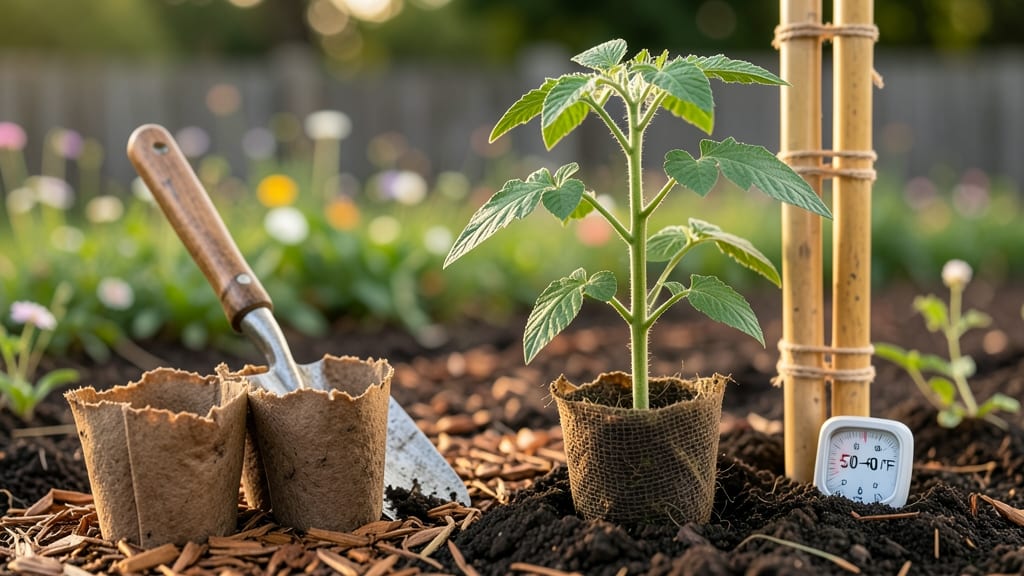
Planting tomatoes in Alabama isn’t just about grabbing seeds and sticking them in the dirt—it’s about timing your 🍅 harvest to avoid frost and heat stress.
The perfect window depends on your county’s last frost date and soil temperature, which can vary dramatically from North Alabama’s cooler hills to the Gulf Coast’s warmer stretches.
If you plant too early, a late frost will wipe out your seedlings. Too late, and you’ll miss the peak harvest season.
I’ve seen gardeners in 7a-8b zones struggle with both mistakes, but there’s a data-backed solution to get your tomatoes in the ground at the right time—whether you’re starting seeds indoors or transplanting young plants.
In this guide, we’ll break down the exact planting windows for your region, including soil temperature thresholds and county-specific frost dates. You’ll learn how to extend your growing season with simple tricks and avoid common pitfalls that ruin Alabama tomato crops every year.
Ready to grow bigger, healthier tomatoes? Let’s dive into the best planting timeline for your Alabama garden—so you can enjoy homegrown 🍅 from June through October.
Alabama tomato planting timeline by county: frost dates & soil warmth requirements
Alabama’s diverse climate means your tomato planting window can vary by 100+ days between North and South.
In USDA Zones 7a-8b, soil warmth and frost dates dictate success. North Alabama (like Madison County) has a shorter season, while Gulf Coast counties (like Mobile) enjoy extended growing periods. The key? Plant when soil hits 55°F+ and frost risk drops below 10%.
For most Alabama counties, transplanting outdoors happens 2-4 weeks after last frost. But don’t rush—cold soil stunts roots, and frost damage can kill young plants. Use black plastic mulch to warm soil by 5-10°F, letting you plant 1-2 weeks earlier in cooler zones.
Below, I’ve broken down last frost dates, soil warmth thresholds, and optimal transplant windows by region.
📌 Pro Tip: Start seeds 6-8 weeks before your outdoor planting date. In North Alabama, begin indoors in February; in South Alabama, wait until March.
| County/Region | Last Frost Date | Soil Temp Threshold | Optimal Transplant Window | Fall Planting Window |
|---|---|---|---|---|
| North AL (Madison, Marshall, Jackson) | April 15 | 55°F+ (use mulch) | May 1–15 (after soil warms) | Late July–early Aug |
| Central AL (Birmingham, Montgomery) | March 25 | 55°F+ | April 15–May 1 | Early July–mid-July |
| South AL (Mobile, Baldwin, Escambia) | February 15 | 60°F+ (warmer soil) | March 15–April 1 | Mid-June–early July |
| Gulf Coast (Dauphin Island, Pensacola) | January 31 | 65°F+ (longer season) | February 20–March 15 | Late May–June 10 |
Notice how Gulf Coast counties can plant 6 weeks earlier than North Alabama? That’s why heat-tolerant varieties like ‘Celebrity’ or ‘Solar Fire’ thrive in South Alabama’s longer, hotter summers.
In contrast, North Alabama gardeners should opt for early-maturing varieties like ‘Early Girl’ or ‘Stupice’ to beat the first frost in November.
For fall harvests, aim to transplant 80-90 days before your county’s first frost. In Mobile County, that’s late July; in Madison County, it’s early August. Use row covers to extend the season by 2-3 weeks if needed. 🌱
One common mistake? Checking air temperature instead of soil temperature. A 70°F day might hide 50°F soil, stalling growth. Use a soil thermometer—it’s the only way to confirm readiness.
I’ve seen gardeners in Huntsville rush planting in April only to have cold soil delay harvests by 3 weeks.
If you’re in Zone 7a (like Cullman), consider starter plants from local nurseries in early May. They’ll have a head start on direct-sown seeds, which struggle in cool
How to extend Alabama’s tomato growing season for earlier or later planting
Alabama’s long, hot summers and variable frost dates create unique challenges for tomato growers. Whether you want to start earlier in North Alabama or harvest later in the Gulf Coast, extending your growing season is key.
The right techniques can add 4-6 weeks to your harvest window—meaning more tomatoes for your table!
From cold frames to heat-tolerant varieties, I’ll share my top methods for pushing your tomato season. These strategies work especially well for USDA Zones 7a-8b, but I’ll include adjustments for North vs. South Alabama’s distinct microclimates. Let’s get those tomatoes growing longer!
- Use black plastic mulch to warm soil 5-10°F faster—plant 2-3 weeks earlier in North Alabama (e.g., Madison County can start by April 1 instead of April 15).
- Set up low tunnels with row covers to delay fall frost 2-4 weeks—perfect for Mobile County gardeners harvesting into mid-November.
- Choose heat-tolerant varieties like 'Celebrity' or 'Solar Fire'—they thrive in 90°F+ temps, extending summer harvests in Birmingham by 30+ days.
- Install cold frames for 3-4 week head starts—ideal for Huntsville gardeners planting as early as March 1 with 55°F soil.
- Try drip irrigation with shade cloth to protect plants from late-spring frosts—critical for Montgomery’s unpredictable April weather.
For earlier planting, focus on soil warming methods. In North Alabama’s shorter season, cold frames and black plastic mulch are game-changers. I’ve seen gardeners in Jackson County push their first planting back to mid-March using these techniques—just ensure soil temps stay above 55°F.
If you’re aiming for a fall harvest, prioritize row covers and heat-tolerant varieties. In South Alabama’s longer growing season, you can extend harvests into November with minimal effort. For example, 'Heatmaster' tomatoes continue producing even when temps hit 95°F, perfect for Daphne or Fairhope.
Don’t forget microclimates—a sunny south-facing slope can add 1-2 weeks to your season. I always check my garden’s exposure before committing to extended planting. Pair these methods with consistent watering (1-2 gallons per plant daily in summer) to keep your tomatoes thriving.
Pro tip: Combine two techniques for maximum results. For instance, use black plastic mulch + row covers to start 3 weeks early and harvest 4 weeks later than standard schedules. Just monitor for pests or humidity issues—Alabama’s climate can be tricky!
With these strategies, you’ll turn Alabama’s short growing windows into a year-round tomato feast. Start experimenting this season—your taste buds (and neighbors) will thank you! 🌱