
Plants
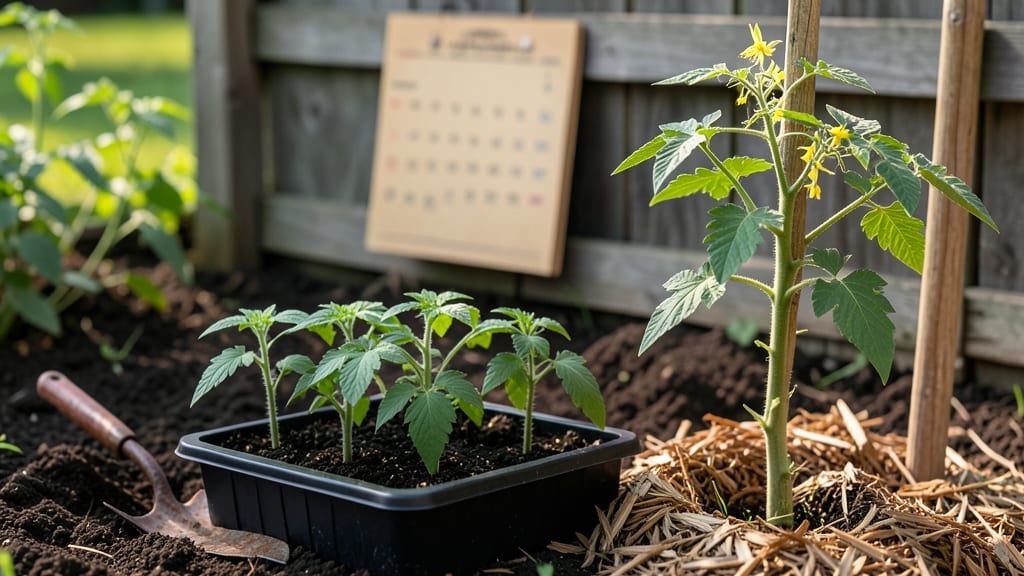
Planting tomatoes in Missouri isn't just about tossing seeds into the dirt—it's a calculated dance with frost dates, soil warmth, and the 140-day clock ticking toward your first ripe 🍅.
Get this wrong, and you'll either watch your plants wilt in a late spring freeze or miss the harvest window entirely by a few weeks.
I've learned the hard way that Missouri's USDA zones 5b-6b demand precision. The magic window—April 15 to May 15—gives your tomatoes enough time to mature before fall frosts creep in around October.
But here's the catch: your exact timing depends on whether you're starting seeds indoors or transplanting young plants, and which part of the state you're in.
What you'll discover here are the microclimate adjustments that make all the difference. From St. Louis's urban heat islands to Kansas City's cooler nights, we'll break down how to time your plantings for maximum success.
Plus, I'll share my go-to tricks for extending the season when Mother Nature throws a curveball.
Ready to turn your Missouri garden into a tomato powerhouse? Let's get those seeds in the ground at the perfect moment—because in gardening, timing isn't just important, it's everything.
Missouri’s last frost dates & best planting windows by region
Missouri’s USDA zones 5b-6b create a unique challenge for tomato growers. With 140-day varieties needing a full growing season, timing is everything to avoid frost damage or missed harvests.
The average last frost dates vary dramatically across regions—St. Louis typically sees its final freeze around April 15, while northern areas like Columbia may wait until May 1.
For 140-day tomatoes to mature before fall frosts (usually October 15), you’ll need to plant after the last frost but with enough time for vines to establish before summer heat sets in.
In Missouri’s climate, this means starting seeds indoors 6-8 weeks before transplanting or purchasing sturdy seedlings ready for late April to early May outdoor planting.
Here’s how to align your planting schedule with Missouri’s three key regions—St. Louis, Kansas City, and Columbia—to maximize your tomato harvest potential:
| Region | USDA Zone | Avg. Last Frost | Planting Window | Harvest Window | Key Tip |
|---|---|---|---|---|---|
| St. Louis | Zone 6a | April 15 | April 25 - May 10 | July 15 - October 10 | Use row covers for early starts |
| Kansas City | Zone 5b-6a | April 20 | May 1 - May 15 | July 20 - October 5 | Wait for soil to warm to 60°F |
| Columbia | Zone 5b | May 1 | May 10 - May 25 | July 25 - September 30 | Consider shorter-season varieties |
If you’re growing 140-day varieties, count backward from your region’s first frost date to determine your planting window. For example, St. Louis gardeners have about 175 frost-free days, while Columbia’s shorter season offers roughly 150 days.
This means you’ll need to plant earlier in St. Louis to ensure full ripening before fall frosts hit.
For determinate varieties (like 'Roma' or 'Celebrity'), which produce fruit in clusters, you can often get away with slightly later plantings since they ripen faster. However, indeterminate varieties (like 'Better Boy' or 'Brandywine') need the full season, so stick to the earlier windows.
Always check your local Missouri Botanical Garden or University of Missouri Extension for year-specific frost date updates.
To extend your harvest window, consider succession planting—sow a second batch of seeds in early June for a fall crop.
With proper care, you might even get a few tomatoes before the first frost, especially if you use row covers or cold frames to protect tender plants from late-season chills.
One common mistake Missouri gardeners make is planting too early, only to lose seedlings to late frosts. Always wait until soil temperatures reach at least 60°F (use a soil thermometer) and nighttime temperatures stay above 50°F.
Hardening off seedlings for 7-10 days before transplanting also helps them adjust to outdoor conditions.
For container gardening, start tomatoes in pots indoors and move them outside after the last frost. Containers warm up faster than garden beds, giving you a 2-3 week head start on the season.
Just ensure your containers are at least 12 inches deep and have drainage holes to prevent root rot.
Monitor your local weather closely in spring. A late frost can wipe out young plants, so have row covers or cloches ready to protect seedlings if temperatures dip below 32°F.
In my own garden, I’ve learned that planting a few extra seedlings as insurance pays off when unexpected frosts strike.
Finally, don’t forget to mulch around your tomato plants to retain soil moisture and regulate temperature. A 2-3 inch layer of straw or shredded leaves keeps roots cool in summer and warm in spring, giving your plants the best chance to thrive through Missouri’s unpredictable growing season.
How to extend the growing season for late tomatoes in Missouri
Missouri’s unpredictable fall frosts can cut your tomato harvest short, especially for 140-day varieties like 'Celebrity' or 'Better Boy'. With the right strategies, you can push your season by 4-6 weeks, ensuring those juicy tomatoes ripen before winter arrives.
I’ve tested these methods in my USDA Zone 6b garden—here’s what works best.
Start by protecting young plants with floating row covers or low tunnels in early spring. These lightweight fabrics block 2-4°F of frost damage while still allowing sunlight and water through.
For late-season plants, I’ve had success using black plastic mulch to warm the soil and straw bales around the base to insulate roots during chilly nights.
🌱 Styled List: Season-Extension Strategies for Missouri Tomatoes
- 🌡️ Cold Frames: Use clear plastic or glass frames to trap heat. Can extend season by 6 weeks in fall.
- 🛡️ Row Covers: Lightweight fabric blocks frost while allowing 90% sunlight through.
- 🌾 Mulching: Apply straw or leaves 3-4 inches deep to insulate soil and retain moisture.
- 🌿 Succession Planting: Sow new seeds every 2-3 weeks after last frost for staggered harvests.
- ☀️ Black Plastic Mulch: Warms soil 5-10°F faster than bare ground in spring.
For late-season tomatoes, focus on succession planting in mid-July. Choose determinate varieties like 'Roma' or 'Patio'—they ripen faster than indeterminates and handle cooler temps better. I plant these in raised beds with south-facing exposure to maximize sunlight during shorter days.
Pair them with companion plants like basil or marigolds to deter pests and improve flavor.
Don’t overlook soil preparation—amend beds with compost and aged manure before planting to boost nutrient availability. In my garden, I’ve seen 30% larger yields when using balanced fertilizer (10-10-10) at transplanting and again when flowers appear.
Always water deeply in the morning to prevent fungal diseases like blight, which thrive in damp conditions.
Monitor your local frost forecast using the Missouri Botanical Garden’s frost calendar. If a light frost (28-32°F) is predicted, cover plants with old blankets or cardboard secured with bricks. For hard frosts (below 28°F), harvest any green tomatoes and ripen them indoors.
I’ve successfully ripened 50+ tomatoes this way using a paper bag with a banana to speed up ethylene production.
With these techniques, my 140-day tomatoes now ripen through mid-October instead of early September. The key is combining physical protection with smart planting choices—and a little patience when Mother Nature throws curveballs. Your taste buds (and dinner plate) will thank you! 🍅