
Plants
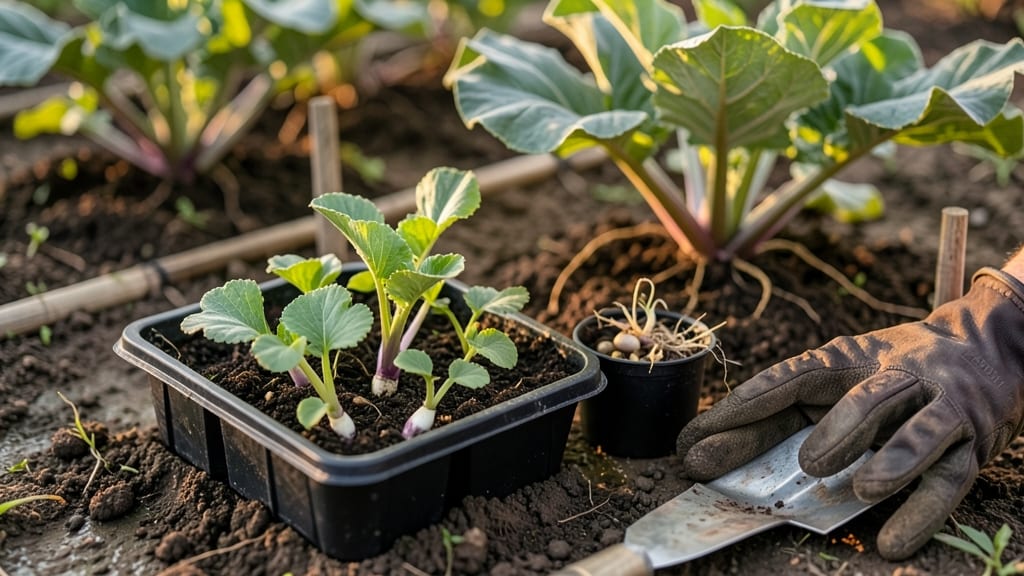
Planting turnips in Missouri isn’t just about timing—it’s about beating the unpredictable frost that can turn your hard work into a sad, frozen mess. Whether you're growing them for crisp roots or tender greens, getting the window right means the difference between a bountiful harvest and a disappointing one.
Missouri’s 5b-6b zones give you two prime chances to plant: early spring (March-April) or late summer (August-September). But here’s the catch: in St. Louis, the last frost typically hits around April 15, while rural areas might see it linger until early May.
That means your planting strategy needs to adjust based on where you live—and whether you’re aiming for spring greens or fall roots.
I’ve tested this myself, and the key to success is knowing exactly when to sow seeds (not transplants) for your specific zone. You’ll also learn how to stretch your harvest with succession planting and which turnip varieties thrive in Missouri’s heat or cold.
Let’s dive into the exact frost-free windows and pro tips to make your garden flourish.
From soil prep to companion plants, I’ll cover everything you need to turn your turnip patch into the best-performing crop in your Missouri garden. No more guesswork—just proven results for your climate.
Missouri turnip planting calendar: month-by-month frost-free windows by Zone
Missouri’s four USDA growing zones (5a-7a) create distinct frost-free windows for turnips, where timing directly impacts whether you harvest crisp roots or bitter greens.
In Zone 5a (northern MO), your window shrinks to just 120 frost-free days, while Zone 7a (southern MO) enjoys 210 days—a difference that changes your entire planting strategy.
Turnips thrive when soil temps hit 40°F+, but late frosts (common in April) can wipe out seedlings. The key? Plant greens (leafy tops) earlier than roots—greens tolerate 32°F, while roots need 50°F+ to bulk up.
Below, I’ve mapped out month-by-month windows for both spring and fall, plus zone-specific adjustments to avoid common Missouri pitfalls like bolting or pithy roots.
Pro Tip: Use row covers in early spring to extend your window by 2-3 weeks—this is my secret to getting turnips in Zone 5a by late March when other gardeners wait until April.
🌱
| Zone | Avg. Last Frost | Spring Planting Window | Fall Planting Window | Ideal Soil Temp | Notes |
|---|---|---|---|---|---|
| 5a (North) | April 15 | March 20–April 10 (greens) April 1–May 1 (roots) |
August 15–September 15 | 40–50°F | Use row covers for early starts; avoid after May 15 (bolting risk) |
| 6a (Central) | April 1 | March 1–April 15 (greens) March 15–May 1 (roots) |
August 1–September 20 | 45–55°F | St. Louis area: succession plant every 2 weeks for continuous harvest |
| 6b (Southeast) | March 25 | February 15–April 30 (greens) March 1–May 15 (roots) |
July 15–October 1 | 50–60°F | Longer window allows for two full crops—spring and fall |
| 7a (Southwest) | March 15 | January 15–April 15 (greens) February 1–May 1 (roots) |
July 1–October 15 | 55–65°F | Heat-tolerant varieties like ‘Tokyo Cross’ perform best in summer |
For Zone 5a gardeners, I recommend starting turnip greens indoors under grow lights in late February—this gives you a 4-week head start before transplanting outdoors. In Zone 7a, you can even plant succession crops every 10 days from January through April for a non-stop harvest of baby greens.
Missouri’s summer heat (especially in July-August) makes turnips bolt prematurely. To beat this, I plant heat-tolerant varieties like ‘Purple Top White Globe’ in late summer (August) and use shade cloth (30%) during peak afternoon sun. This extends the fall window by 3-4 weeks in southern zones.
One mistake I see often? Planting roots too late in spring—by May, turnips focus on seed production instead of root growth. Stick to the first two weeks of May as your cutoff for spring root crops.
For fall roots, aim to harvest before October 15 (first frost date in most zones), or choose cold-hardy varieties like ‘Hakurei’ that sweeten after frost.
How to adjust turnip planting for Missouri’s unpredictable weather patterns
Missouri’s weather can be as unpredictable as a whirlwind, throwing off even the most experienced gardeners. Late springs with lingering frost or early falls with sudden cold snaps can wreak havoc on your turnip crop if you’re not prepared.
The key is flexibility—knowing when to adjust your planting schedule, which varieties to choose, and how to protect your plants from Mother Nature’s mood swings.
One year, I planted my ‘Purple Top White Globe’ turnips in early March, only to watch them freeze under a surprise late frost. The next year, I waited until mid-April and still ended up with a great harvest.
The difference? Row covers and a better understanding of Missouri’s microclimates. Let’s break down how to adapt your turnip planting strategy for your specific growing conditions.
⚠️ Missouri’s Frost Trap: Don’t Plant Too Early!
In Missouri’s 5b-6b zones, the average last frost date is April 15, but rural areas can see frost as late as May 1. Planting turnips in February or early March risks losing your crop to late freezes.
Instead, wait until mid-April for spring planting or late August for fall planting. Use a frost calendar for your specific county—St. Louis and Kansas City may differ by weeks!
For succession planting, sow turnip seeds every 2-3 weeks from April through June. This staggered approach ensures a continuous harvest, even if the weather throws a curveball.
I’ve found that ‘Tokyo Cross’ turnips, with their heat tolerance, perform exceptionally well in Missouri’s summer heat when planted in late July or early August.
When unexpected frost threatens, don’t panic—row covers are your best friend. Lightweight fabric can protect tender turnip greens down to 20°F, giving your plants a fighting chance. I use floating row covers over my spring plantings until the danger of frost has passed.
For extra insurance, choose cold-hardy varieties like ‘Hakurei’, which can handle cooler temperatures better than most.
If you’re growing turnips for their greens rather than roots, you have more flexibility. Harvest the leaves when they’re young and tender, even if the roots aren’t fully mature.
This tactic works well in early spring when soil is still cool. For roots, aim to harvest before summer heat sets in—turnips bolt quickly when stressed by high temperatures.
Finally, pay attention to soil temperature. Turnip seeds need soil that’s at least 40°F to germinate properly. Use a soil thermometer to check before planting—cool, damp soil can delay germination for weeks.
In my garden, I’ve seen seeds take 10-14 days to sprout in 45°F soil versus just 5-7 days in 50°F soil.