
Plants
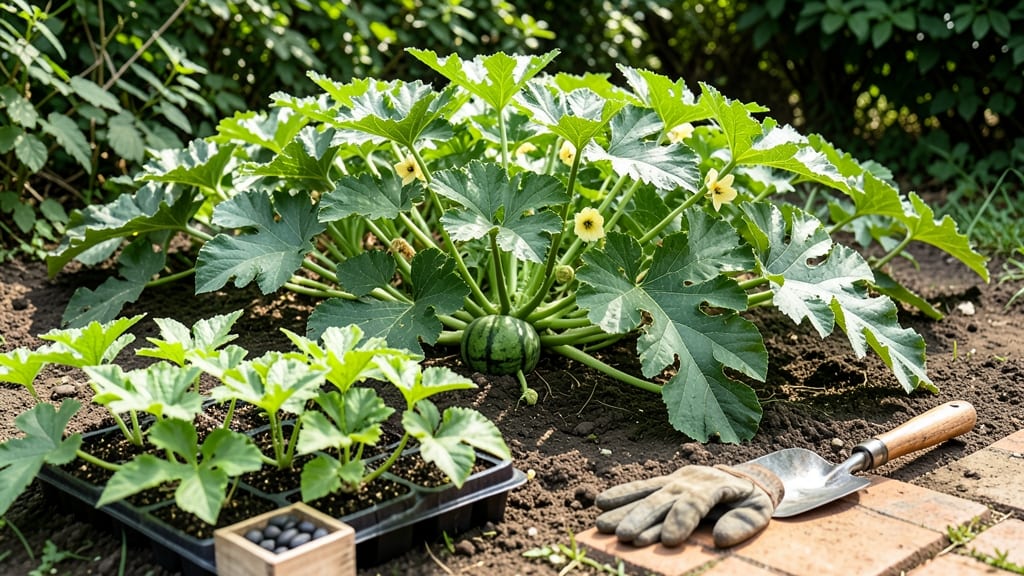
Planting watermelon seeds at the wrong time in California can turn your summer garden dreams into a frustrating wait—or worse, a total bust. With three distinct heat zones and soil that needs to be a balmy 70°F+ to germinate properly, timing is everything for that juicy harvest you’re craving.
If you’ve ever watched your seeds sit stubbornly in the dirt for weeks, only to sprout when it’s already too late in the season, you know how critical this step is.
The fastest route to ripe melons starts with knowing exactly when to plant—whether you’re in coastal Zone 9, sunbaked Zone 10, or the cooler foothills of Zone 8.
Here’s the game-changer: Southern California gardeners can start seeds indoors as early as February, while Northern growers should wait until mid-April to avoid frost. But don’t just follow a calendar—soil temperature and last-frost dates are the real keys to unlocking a best harvest.
I’ll break down the exact windows, from direct sowing to extending your season with shade cloth, so you can enjoy sweet, vine-ripened melons without the guesswork. Let’s get those seeds in the ground at the perfect moment!
Best planting months for watermelon seeds in California’s heat zones
California’s diverse climate means your watermelon planting schedule depends heavily on your specific USDA heat zone. In Zone 10 (Southern CA), you can start seeds as early as February, while gardeners in Zone 8 (Northern CA) should wait until April or May to avoid frost damage.
The key is waiting for soil temperatures to reach at least 70°F—watermelons won’t germinate well in cooler conditions.
Direct sowing is the preferred method for watermelons, but indoor starts can give you a head start in cooler zones. If you begin seeds indoors in March (Zone 9) or April (Zone 8), transplant seedlings outdoors after the last frost date and when nighttime temperatures stay above 55°F.
This extra step helps accelerate your 70-90 day harvest window.
Here’s a quick reference for your region’s ideal planting windows, including frost-free dates and soil temperature thresholds:
| Zone | Direct Sowing Window | Indoor Start Window | Last Frost Date | Soil Temp Threshold |
|---|---|---|---|---|
| Zone 10 (Southern CA) | February–March | January (optional) | None (year-round growing) | 70°F+ |
| Zone 9 (Central CA) | March–April | February–March | Mid-March | 70°F+ |
| Zone 8 (Northern CA) | April–May | March–April | Late April–May | 70°F+ |
For Southern California (Zone 10), you can even plant watermelon seeds in late summer (August) for a fall harvest, but prioritize varieties like ‘Sugar Baby’ or ‘Crimson Sweet’ that mature quickly in 70-80 days.
In Central CA (Zone 9), aim for late March to early April to align with the region’s 100-120 frost-free days.
In Northern California (Zone 8), where frost is a real risk, wait until after May 15 to plant seeds directly. Use black plastic mulch to warm the soil faster and extend your growing season by 2-3 weeks.
This is especially critical if you’re growing larger varieties like ‘Charleston Gray’ that need more time to mature.
Always monitor your soil temperature with a thermometer—watermelon seeds won’t sprout below 60°F, but germination slows dramatically under 70°F. If your soil is too cool, try seedling trays under grow lights indoors until conditions improve. This proactive approach ensures your seeds germinate within 5-7 days instead of weeks.
One common mistake is planting too early in cooler zones and watching seedlings rot in cold, wet soil. To avoid this, use row covers or cloches for the first 2 weeks after transplanting. These protect young plants from unpredictable temperature drops while still allowing sunlight to reach them.
Pro tip: In Zone 10, where summers are scorching, consider shade cloth (30-50%) during peak heat (June–August) to prevent blossom drop and fruit sunscald. This simple adjustment can boost your yield by 30-40% in extreme heat.
Finally, remember that watermelons thrive in warm nights (above 60°F). If your evenings dip below this, your plants may struggle to set fruit. Use drip irrigation to maintain consistent moisture—watermelons need 1-2 inches of water per week—but avoid overhead watering to prevent powdery mildew.
How to extend your watermelon harvest season in CA’s extreme heat
Southern California’s summer heat can turn your watermelon vines into wilting shadows if you don’t take the right steps. With temperatures often soaring past 100°F, even the hardiest varieties need help to keep producing.
The key is creating a microclimate that protects your plants while still letting them thrive—think of it as giving your melons their own personal shade tent and hydration station.
I’ve grown watermelons in Zone 10 for years, and the difference between a meager harvest and a vine-covered bounty comes down to three strategies: shade management, watering discipline, and heat-resistant varieties. Let’s dive into how to beat the heat without sacrificing those sweet, juicy rewards.
🌡️ 5 Heat-Beating Tips for CA Watermelons
- 🌿 Use 30% shade cloth to reduce soil temps by 10-15°F while still allowing 60% sunlight—perfect for ‘Sugar Baby’ varieties.
- 💧 Drip irrigation on timers delivers 1-2 inches weekly at dawn to prevent blossom drop from heat stress.
- 🪴 Mulch with straw (3-4 inches thick) to retain moisture and block heat absorption—critical in Zone 10 desert gardens.
- ☀️ Plant heat-tolerant varieties like ‘Crimson Sweet’ (thrives at 105°F+) or ‘Charleston Gray’ (drought-resistant skin).
- ✂️ Prune lower leaves to improve airflow and reduce fungal risk—especially after 90°F+ afternoons.
One of my biggest mistakes was skipping the shade cloth in early June, thinking my ‘Sugar Baby’ plants could handle the heat. Within a week, the vines looked like they’d been sunburned, and the flowers stopped setting fruit.
A 30% shade cloth (not the heavier 50%!) saved the season—it cut soil temps enough to keep the roots cool while still letting light through for photosynthesis.
For watering, I used to rely on overhead sprinklers, but that just evaporated the moisture before it reached the roots. Switching to drip irrigation with emitters placed at the base of each vine made all the difference.
The key is consistency: watermelons need 1-2 inches of water per week, but in 100°F+ heat, that might mean watering every 2-3 days instead of weekly.
Don’t overlook the power of mulching—I now use straw mulch (not black plastic, which bakes the soil) to keep moisture in and heat out. Spread it 3-4 inches thick around the base of your plants, and you’ll see a noticeable difference in soil temperature.
Pair this with heat-tolerant varieties, and you’ll extend your harvest well into September or October.
Finally, if you’re in Zone 9 or 10, consider planting a second crop in late July using quick-maturing varieties like ‘Black Diamond’. These melons can go from seed to harvest in just 65-70 days, giving you a late-summer boost when the first crop might be tapering off.