
Plants
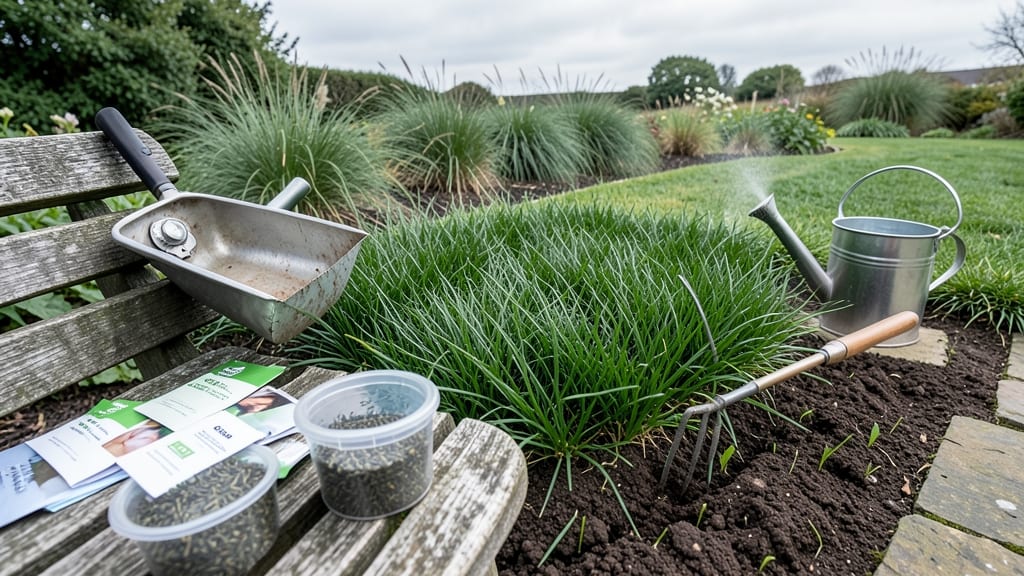
Planting grass in Michigan at the wrong time can mean wasted seed and a lawn that struggles to take root—so timing is everything.
The best time to plant your 🌱 grass (lawn) depends on your USDA zone, but most gardeners in zones 5b-6b should aim for early spring or early fall when soil temperatures cooperate.
If you're in southern Michigan, you might start as early as March or April, while northern areas should wait until late April or early May.
The key is planting 4-6 weeks before the last frost date—too soon, and cold soil will slow germination; too late, and summer heat will stress young seedlings.
Fall planting offers another great window, typically from September to early October, giving grass roots time to establish before winter. This approach often results in a thicker, more resilient lawn by next spring.
Whether you're seeding in spring or fall, we'll break down the exact frost-free windows by zone, soil prep tips, and how to adjust for Michigan's unpredictable weather. Let's get your lawn off to the best possible start.
Michigan grass planting calendar: exact dates by USDA hardiness zones (4-6)
Michigan’s USDA Hardiness Zones 4-6 create unique challenges for grass planting—cool northern climates in the Upper Peninsula (Zone 4a/4b) contrast sharply with milder southern regions near Detroit (Zone 6a/6b). Timing your planting within the frost-free window ensures seed germination and root establishment before winter dormancy.
Let’s break down the exact planting dates by zone, including soil temperature thresholds and regional variations.
For spring planting, aim to sow grass seed 4-6 weeks before your area’s average last frost date. This window typically opens between mid-April (Zone 6b) and late May (Zone 4a). However, soil temperature is just as critical—seed won’t germinate reliably until the ground reaches 50°F (10°C) consistently.
Fall planting offers a second chance, with ideal timing between early September and mid-October, allowing roots to establish before the first frost.
Here’s your Michigan Grass Planting Calendar by zone, including last frost dates, soil temperature thresholds, and regional adjustments for the Upper Peninsula vs. Lower Peninsula:
| Zone | Last Frost Date | First Frost Date | Soil Temp Threshold | Spring Planting Window | Fall Planting Window |
|---|---|---|---|---|---|
| 4a (Upper Peninsula) | May 15–20 | October 5–10 | 50°F (10°C) | May 1–15 (after soil warms) | September 1–15 |
| 4b (Northern Lower Peninsula) | April 25–May 5 | October 10–15 | 50°F (10°C) | April 15–May 1 (soil test first) | September 10–25 |
| 5a (Central Michigan) | April 15–20 | October 15–20 | 50°F (10°C) | April 1–15 | September 20–October 1 |
| 5b (Southern Lower Peninsula) | April 10–15 | October 20–25 | 50°F (10°C) | March 25–April 10 (early start) | September 25–October 10 |
| 6a (Southeast Michigan) | April 5–10 | October 25–November 1 | 50°F (10°C) | March 15–April 5 | October 1–15 |
| 6b (Detroit/Thumb) | March 30–April 5 | November 1–5 | 50°F (10°C) | March 1–March 15 (earliest zone) | October 5–20 |
In the Upper Peninsula (Zone 4a), wait until May 1–15 to plant—earlier sowing risks frost damage. For the Lower Peninsula (Zones 5b–6b), you can start as early as late March in Detroit, but monitor soil temps with a soil thermometer to avoid planting too soon.
Pro tip: Use black plastic mulch to warm cold soils faster in northern zones.
Fall planting is especially critical in Zone 4a/4b, where short summers limit spring opportunities. Seed sown in early September will germinate, grow roots, and harden off before winter.
In Zone 6b, you can push fall planting to mid-October, but avoid sowing after the first frost—seed won’t establish properly.
Regional microclimates add another layer. For example, southern Michigan’s Thumb region (Zone 6b) often sees 10–14 days earlier last frost dates than northern Michigan’s Traverse City (Zone 5b). Use local weather stations (like Michigan State University’s Enviro-Weather) to track 30-day forecasts and adjust your timeline accordingly.
Don’t overlook soil preparation—cool, wet springs in Michigan can delay planting. Test your soil’s pH (6.0–7.0 ideal for grass) and amend with
How to time your grass planting for maximum germination success
Timing your grass planting is everything in Michigan’s variable climate. Cool-season grasses like Kentucky Bluegrass thrive when seeded in early spring or fall, while warm-season varieties (like Bermuda) need summer heat to germinate.
The key? Plant when soil temperatures hit 50-60°F—too early, and frost will kill seedlings; too late, and weeds take over.
Start by testing your soil temperature with a thermometer (bury it 4 inches deep). For most Michigan zones, this means mid-April to early May for spring planting, or September to early October for fall.
Northern Michigan’s USDA Zone 4 may need to wait until late May, while southern areas can plant as early as March.
⚠️ WARNING: Planting Too Early or Late ⚠️
⚠️ Critical Mistakes to Avoid
- Planting before last frost: Seedlings will freeze. Wait until nighttime temps stay above 50°F for 5+ days.
- Skipping soil prep: Compacted or cold soil slows germination. Loosen top 2-3 inches and warm soil with black plastic if needed.
- Using warm-season seed in spring: Grasses like Zoysia need 75°F+ soil—planting in cool weather wastes seed and money.
- Fall planting after first frost: Seedlings won’t establish before winter. Aim for 6-8 weeks before first frost (typically by mid-October).
🌱 Pro Tip: Cover newly seeded areas with straw mulch (not hay) to retain moisture and protect from late frosts.
Before seeding, rake away debris and thatch to create a smooth, seed-friendly surface. For best results, use a slit seeder to deposit seeds ¼-inch deep—too shallow, and birds will scatter them; too deep, and they won’t sprout.
Lightly water the area to settle seeds, then keep soil consistently moist (not soggy) for the first 2-3 weeks.
Watch for warning signs of poor timing: Slow germination (taking >3 weeks) or yellowing seedlings often mean soil was too cold. If you see mold or fungus on the soil surface, you’re overwatering—reduce to ½-inch per week until seedlings appear.
Adjust your watering schedule to morning hours to prevent fungal growth.
For Michigan’s fall planting window, prioritize Kentucky Bluegrass or Fine Fescue, which establish roots before winter. Seed in September when daytime temps drop to 70-75°F—this gives grass time to germinate before the ground freezes.
Apply a light nitrogen fertilizer (like 24-0-5) 4-6 weeks after seeding to boost early growth.
Remember: Patience is key. Grass planted at the right time will germinate in 7-21 days, depending on the variety and weather. If you miss the ideal window, don’t panic—overseeding in early fall can still thicken your lawn for next year.
Just mark your calendar for next spring’s frost-free date and plan ahead! 🌿