
Plants
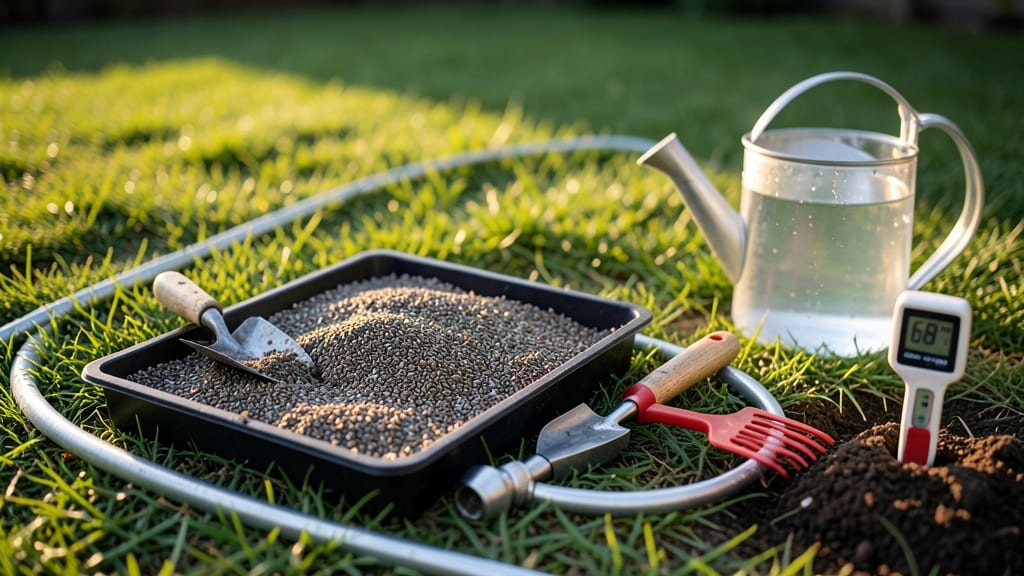
Planting grass seed in Indiana feels like a high-stakes game of chance—get the timing wrong, and you're left with patchy lawns or wasted seed. The best time to plant grass seed isn't just about the calendar; it's about soil temperature and microclimate triggers that vary across the state's 5b-6b zones.
Most gardeners swear by early fall or spring, but Indiana's unpredictable weather throws a wrench in those plans. Northern Indiana's cooler climate demands different timing than southern regions near the Ohio River, where summers can push soil temps too high for new grass.
I'll break down the exact windows—when soil hits that 55-65°F sweet spot—and how to adjust for your specific corner of the state. Whether you're dealing with clay-heavy soil or urban heat islands, these insights will help you plant with confidence.
Ready to transform your lawn? Let's dive into the science behind Indiana's planting secrets and avoid those common mistakes that leave lawns struggling.
Indiana’s optimal grass seed planting windows by soil temperature zones
Timing your grass seed planting in Indiana isn’t just about avoiding frost—it’s about hitting the 50-65°F soil temperature window when seeds germinate best.
Northern Indiana’s Zone 5b (e.g., Gary, South Bend) has a shorter growing season than Zone 6b (e.g., Indianapolis, Louisville), so your planting window shifts by 2-3 weeks between regions. Get this wrong, and you’ll face thin patches or seeds washing away in heavy rains.
Cool-season grasses like tall fescue and Kentucky bluegrass (Indiana’s top choices) thrive when soil temps stay between 55-65°F. Warm-season grasses like Bermuda (rare in Indiana) need 70-80°F, but they’re not ideal for most Hoosier lawns.
Focus on spring (April-May) or fall (September-October) for best results—these periods balance moisture, temperature, and weed competition.
Here’s the critical breakdown by zone, including frost risk and soil temp triggers to lock in your planting schedule:
| USDA Zone | Region Examples | Spring Window | Fall Window | Soil Temp Threshold | Frost Risk |
|---|---|---|---|---|---|
| 5a (Northern) | Gary, South Bend, Fort Wayne | Mid-April to late May | Early Sept to mid-Oct | 50-55°F (min) | High (last frost: May 1) |
| 5b (North-Central) | Muncie, Kokomo, Lafayette | Late April to early June | Mid-Sept to late Oct | 55-60°F (ideal) | Moderate (last frost: April 15) |
| 6a (Central) | Indianapolis, Carmel, Bloomington | Early April to late May | Late Aug to early Nov | 60-65°F (ideal) | Low (last frost: April 1) |
| 6b (Southern) | Louisville, Evansville, Terre Haute | Late March to early June | Early Sept to mid-Nov | 60-65°F (ideal) | Very Low (last frost: March 15) |
Notice how Zone 5a (northern Indiana) has a 3-week later spring window than Zone 6b (southern Indiana)? That’s because soil warms slower in clay-heavy northern soils, while sandy soils in the south heat up faster.
Use a soil thermometer to confirm temps—don’t guess! Aim for consistent 60°F+ for 5 days before planting.
Fall planting is often more successful in Indiana because weeds are dormant and humidity is lower than in spring. Seedlings establish roots before winter, then sprout early next spring. For Zone 5b/6a, plant by October 15 to ensure 4-6 weeks of growth before frost.
In Zone 6b, you can push it to November 1—but test soil temps first!
One common mistake? Planting too early in spring when soil is still cold (<50°F). Seeds rot instead of germinating. Another? Waiting until July or August—by then, summer heat and drought stress make survival rates drop below 30%. Stick to the spring/fall windows, and you’ll see 80-90% germination with proper care.
Pro tip: If you’re in Zone 5a and spring arrives late, use a soil warmer (like black plastic mulch) to raise temps 5-10°F faster. For fall, cover newly planted seed with
Microclimate triggers that change planting timing in Indiana
Indiana’s diverse geography creates microclimates that can shift your grass seed planting window by weeks—even within the same city. For example, areas near Lake Michigan stay cooler longer in spring, while urban heat islands in Indianapolis can push soil temperatures into planting range 2-3 weeks earlier than rural areas.
These variations mean your neighbor’s perfect timing might spell failure for your lawn.
Elevation plays a surprising role too. Southern Indiana’s hilly regions (like Perry County) often see warmer microclimates at higher elevations, allowing for earlier spring planting (as early as mid-March) compared to flatter northern areas where frost lingers until late April.
Even a 100-foot elevation gain can create a 2-week difference in frost dates.
🌱
⚠️ Microclimate Warning: Soil Temp ≠ Air Temp
Urban areas can be 5-10°F warmer than rural zones, tricking you into planting too early. Always check soil temperature (not air temp) with a soil thermometer. Clay soils stay cooler longer than sandy soils, delaying planting by 1-2 weeks in spring.
Action: Test soil at 4-inch depth—ideal range is 55-65°F for cool-season grasses. Shady lawns may need 3-4 weeks later than full-sun areas.
Water bodies like the Wabash River or Lake Michigan create "cool pockets" where fall planting can extend into mid-October—sometimes 2 weeks later than inland areas.
The urban heat island effect in cities like Evansville means summer heat stress kicks in earlier, making late-spring planting riskier unless you use shade cloth or mulch.
Your lawn’s sun exposure also matters: Full-sun areas (6+ hours of sunlight) can handle earlier spring planting (as soon as soil warms), while shady lawns (3-6 hours of sun) thrive when planted 2-3 weeks later. Fine fescue, a shade-tolerant grass, benefits from this delayed timing, while tall fescue in full sun may struggle if planted too late.
Soil type adds another layer: Clay-heavy soils (common in northern Indiana) dry out slower in spring, pushing planting back until mid-April. Meanwhile, sandy soils in southern Indiana warm quickly, allowing March planting. Avoid planting on clay when it’s saturated—wait until it’s crumbly when squeezed, not muddy.
Pro tip: Use reflective mulch in shady areas to warm soil faster, or black plastic mulch in cool microclimates to accelerate spring planting.
For urban gardens, raise beds slightly to escape heat island effects and improve drainage. Adjust your calendar based on these triggers, and your grass will thank you with thicker, greener growth from day one.