
Plants
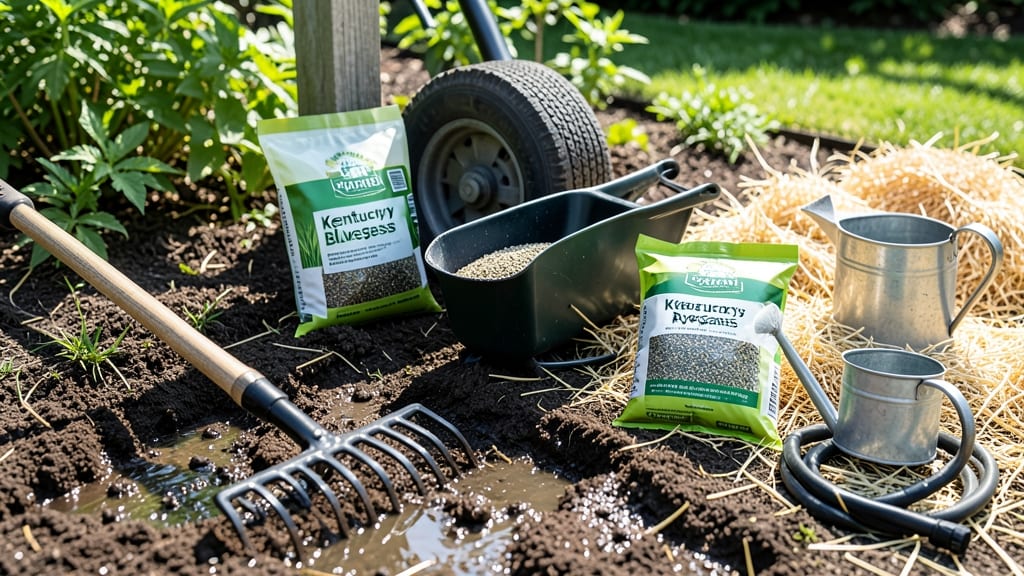
Planting Grass Seed (Lawn Grass) 🌱 in the fall can mean the difference between a patchy lawn next spring and a lush, green carpet by summer—but timing is everything.
If you wait too late, frost will nip those tender sprouts before they take root, while planting too early leaves your seeds vulnerable to summer heat and drought.
Most gardeners in USDA Zone 6a (and similar climates) have a 4-6 week window before the first frost to get their Grass Seed (Lawn Grass) in the ground.
That’s why September and early October are the sweet spots for cool-season grasses like fescue and bluegrass, giving roots time to establish before winter slows things down.
The key isn’t just picking a month—it’s reading your local weather cues. Soil should stay above 50°F but below 75°F for optimal germination, and you’ll want steady rainfall or a way to keep seeds moist. I’ll show you how to nail this window, no matter where you live.
Skip the guesswork and learn the exact steps to prep your soil, choose the right seed, and avoid common mistakes that derail even the best-laid plans. Let’s get that lawn growing strong before winter sets in!
Optimal fall planting windows by US climate Zone: when to plant grass seed for best results
Fall is the golden window for planting grass seed because cooler temperatures reduce stress on young plants, while longer daylight hours encourage strong root growth. The ideal soil temperature range is between 50°F and 75°F, creating perfect conditions for germination.
But timing varies dramatically across the U.S., from early September in the North to late October in the South. Let’s break down the exact windows for your region.
Your local USDA climate zone and first frost date are the two most critical factors. Cool-season grasses like Tall Fescue and Kentucky Bluegrass thrive when planted 4-6 weeks before frost, while warm-season grasses like Bermuda or Zoysia need late-summer planting to establish before winter dormancy.
I’ll show you how to adjust your schedule based on where you live.
Here’s a quick comparison of the best fall planting windows by region, including soil prep timing and frost risk factors:
| Climate Zone | Best Planting Window | Soil Temp Threshold | Frost Risk | Soil Prep Timing |
|---|---|---|---|---|
| Northern Zones (3-5) | Late August to mid-September | 50°F–65°F | High (first frost by Nov 1) | Complete 2–3 weeks before planting |
| Transition Zones (6-7) | Mid-September to early October | 55°F–70°F | Moderate (first frost by Nov 15) | Complete 1–2 weeks before planting |
| Southern Zones (8-10) | Late September to November | 60°F–75°F | Low (frost possible Dec+) | Complete 1 week before planting |
If you’re in the Northern Zones (3-5), aim for late August to mid-September to give seeds time to establish before winter. These regions have the shortest growing season, so early planting is key.
For example, in Zone 4, planting after September 15 risks frost damage before roots develop. Use a soil thermometer to confirm temps are ideal—seeds won’t germinate well if the ground is too cold.
In Transition Zones (6-7), like much of the Midwest and Northeast, the window stretches from mid-September to early October. This flexibility lets you adjust based on local weather.
For instance, if your area had an early frost in 2022, shift planting to September 15 instead of waiting until October. Always check your local frost date—planting too late leaves seeds vulnerable to winter kill.
Southern gardeners in Zones 8-10 have the most leeway, with a window from late September to November. However, warm-season grasses like Centipede or St. Augustine should be planted by October 1 to avoid winter dormancy.
Cool-season grasses like Ryegrass can handle later planting but may struggle with summer heat stress if sown too early.
Regardless of your zone, soil preparation is just as critical as timing. In Northern regions, complete soil prep 2–3 weeks before planting to allow time for weeds to sprout and die after a final herbicide application.
In Southern zones, a 1-week prep window suffices, but focus on aeration to improve drainage—many Southern soils are clay-heavy and compacted.
Pro tip: If your fall planting window is tight (like in Zone 5oversowing with winter ryegrass. This temporary cover protects your new grass from erosion and provides green coverage until spring. Just remove it before new growth appears in early spring to avoid competition.
Don’t let these regional guidelines fool you—local weather patterns often override general rules. If your area had an unusually warm September, delay planting until temps drop below 75°F to prevent seed desiccation. Conversely, if frost threatens early, use row covers or a lightweight mulch to shield young seedlings.
With the right timing and prep, your fall-planted grass will emerge as a thick, resilient lawn next spring—ready to outcompete weeds and handle summer heat. Now grab that soil thermometer and get planting!
5 Critical factors that determine the perfect fall planting time for grass seed
Timing your grass seed planting isn't just about picking a month—it's about reading five key signals from your environment and seed type. The most critical factor is soil temperature, not air temperature.
Seeds need soil between 50°F and 75°F to germinate properly, and a soil thermometer is your best tool for precision. Many gardeners check air temps but miss the fact that soil stays warmer longer, especially in clay-heavy areas.
Next, your local frost dates create the ultimate deadline. Planting 4-6 weeks before the first frost gives roots time to establish before winter dormancy. Check your USDA zone and historical frost data—Zone 5 gardeners should aim for mid-September, while Zone 8 can plant until November.
A quick online search for "average frost date [your city]" gives you this critical number.
Here are the 5 critical factors to assess before planting:
- Soil Temperature: Use a soil thermometer to confirm 50°F-75°F range. Insert it 2-3 inches deep for accurate readings.
- Frost Dates: Plant 4-6 weeks before first frost. Check local averages and adjust for recent weather patterns.
- Rainfall Patterns: Aim for 1-1.5 inches of water weekly. If drought is forecasted, use mulch or irrigation to maintain moisture.
- Seed Type: Cool-season grasses (Kentucky Bluegrass, Fescue) need fall planting, while warm-season (Bermuda, Zoysia) should be planted in late summer.
- Soil Conditions: Test pH (ideal: 6.0-7.5) and loosen compacted soil. Add compost for nutrients and improve drainage.
Your seed type plays a surprisingly large role in timing. Cool-season grasses like Kentucky Bluegrass and Tall Fescue are designed for fall planting—they grow best in cooler weather and establish strong roots before winter.
Warm-season grasses like Bermuda or Zoysia, however, should be planted in late summer to give them time to establish before cooler weather sets in. Always check the seed packet for specific recommendations.
Don't overlook rainfall patterns in your area. Fall is typically wetter in many regions, but drought can still strike. If your area is forecasted to be dry, plan to water deeply 2-3 times per week until germination occurs.
A light mulch layer helps retain moisture and regulate soil temperature. For best results, water in the early morning to reduce evaporation and fungal risks.
Finally, create a simple fall planting checklist before you start. Mark off each item as you complete it: test soil temperature, adjust planting date based on frost forecasts, prepare soil with compost, choose the right seed mix, and schedule your watering plan.
This systematic approach ensures you won't miss any critical steps that could derail your lawn's success.
When you combine these five factors—soil temperature, frost dates, rainfall, seed type, and soil conditions—you'll have a precise planting window tailored to your specific location. This method eliminates guesswork and gives your grass seed the best possible start for a thick, healthy lawn next spring. 🌱