
Plants
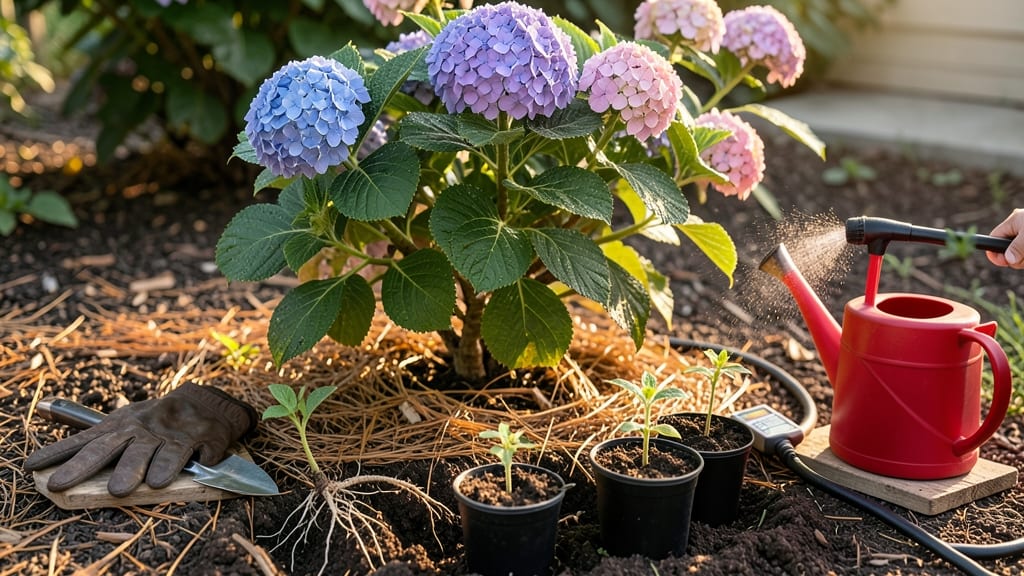
Planting your hydrangeas 🌸 at the wrong time in Michigan can mean the difference between lush, vibrant blooms and a sad, struggling shrub. The best time to plant these beauties in your 5b-6b zone isn’t just about the calendar—it’s about understanding your local frost dates and soil temperatures.
Most Michigan gardeners swear by spring planting (April-May) when the soil warms up, but fall (September-October) can also work if you get it right. The key is timing it so your hydrangeas have enough time to establish roots before winter sets in—or before the summer heat arrives.
Whether you're a first-time gardener or a seasoned pro, I’ll break down the exact windows for planting in Michigan, plus soil prep tips and variety-specific advice to ensure your hydrangeas thrive. Let’s get those blooms growing!
You’ll learn how to avoid common mistakes, like planting too early or too late, and discover which hydrangea varieties handle Michigan’s climate best. Ready to transform your garden? Let’s dive in.
Michigan hydrangea planting calendar: months by hardiness zone (4-6)
Michigan’s unpredictable climate makes timing critical for hydrangeas. Planting too early risks frost damage, while waiting too long delays root establishment. The best windows are early spring (after last frost) or early fall (before first frost), but your USDA zone (4a-6b) dictates exact timing.
Let’s break it down by month and variety to maximize those showstopping blooms you’re dreaming of.
For bigleaf hydrangeas (like ‘Endless Summer’), aim for April-May in zones 5-6 or September-October in zones 4-5. Oakleaf varieties (e.g., ‘Snow Queen’) tolerate slightly cooler soil, so they can go in 1-2 weeks earlier in spring.
Meanwhile, panicle hydrangeas (like ‘Limelight’) thrive with late spring planting—their hardiness lets them handle Michigan’s late frosts better than others.
🌱
| Zone | Best Planting Months | Soil Temp (°F) | Variety Notes | Frost Risk |
|---|---|---|---|---|
| 4a (Northern MI) | Late May or September | 50-55°F | Panicle types first; bigleaf last | High (May frosts common) |
| 5a (Traverse City) | April-May or September | 55-60°F | Oakleaf handles cooler soil | Moderate (April frosts possible) |
| 5b (Grand Rapids) | April-May or September-October | 50-60°F | All varieties thrive | Low (May usually frost-free) |
| 6a (Detroit) | March-April or October | 45-55°F | Early spring ideal for bigleaf | Very low (rare late frosts) |
| 6b (South MI) | March-April or September-October | 50-60°F | Panicle best for late planting | Minimal (extended growing season) |
⚠️ Pro Tip: Use a soil thermometer—hydrangeas need roots to establish in 50°F+ soil.
Spring planting in Michigan hinges on last frost dates, which vary wildly. In zone 4a (like Marquette), wait until May 15—earlier risks root freeze. By zone 6b (like Kalamazoo), you can plant as early as March 15, but monitor nighttime temps.
For fall planting, aim to finish by October 1 in northern zones or October 15 in southern zones to allow 4-6 weeks of root growth before winter.
🌿
Prepping your soil is just as critical as timing. Michigan’s clay-heavy soils drain poorly, so amend with compost or peat moss to improve aeration. Test your soil pH—bigleaf hydrangeas love acidic soil (5.0-6.0), while panicle types prefer neutral (6.0-7.0).
If your soil is alkaline, add sulfur or pine needles to adjust. Mulch heavily (3-4 inches) after planting to insulate roots from Michigan’s temperature swings.
Container planting extends your window—just use large pots (15+ gallons) and move them to protected spots if frost threatens. For bare-root hydrangeas, soak roots for 2-3 hours before planting to reduce transplant shock. And remember: water deeply after planting, then weekly for the first month to encourage root spread.
☀️
Michigan’s short growing season demands smart choices. If you miss spring planting, don’t despair—fall planting still works if you choose dwarf varieties (like ‘Little Lime’) or panicle types, which establish faster. For bigleaf hydrangeas, prioritize spring planting in colder zones (4a-5a) to avoid winter stress.
And if you’re in zone 6b, you can even try late summer planting (August) for a second flush of blooms next year.
🌳
5 Critical signs your Michigan hydrangeas are ready for planting (and 3 mistakes to avoid)
Planting hydrangeas in Michigan requires precision—especially since our short growing season and variable frost dates demand perfect timing. Waiting too long means stunted roots, while planting too early risks frost damage. The key is watching for these 5 critical signs that your soil and plants are ready to thrive.
First, check your soil temperature. Hydrangeas need soil that’s warmed to at least 60°F (15°C). Use a soil thermometer to test—if it’s cooler, wait a week or two. Cold soil slows root growth, leaving your shrubs vulnerable to root rot or fungal diseases common in Michigan’s damp springs.
Next, assess your hydrangea’s root system. Healthy roots should look white or light tan, with no black or mushy spots. If you’re buying bare-root plants, choose ones with 3-4 inch roots and at least 2-3 buds.
Overly dry roots or brittle stems signal stress from improper storage—avoid these like the plague.
Now, let’s talk moisture levels. Stick your finger 2 inches into the soil—if it feels dry, your hydrangeas are ready. Michigan’s spring rains can make soil soggy, but hydrangeas hate "wet feet." Amend heavy clay soil with compost or perlite to improve drainage before planting.
Don’t overlook the weather forecast. Aim to plant when nighttime temperatures stay above 50°F (10°C) for at least a week.
Check the National Weather Service for your region’s last frost date—most of Michigan sees it between April 15-30, but northern zones (like Zone 4) may wait until May.
🌱 ⚠️ NUMBERED-HIGHLIGHTS: 5 SIGNS YOUR HYDRANGEAS ARE READY TO PLANT ⚠️
- 🌡️ Soil temp: 60°F+ (test with thermometer)
- 🌱 Root health: White/tan roots, no mushy spots
- 💧 Moisture: Dry 2" down (no soggy soil)
- ☀️ Weather: No frost in forecast for 7+ days
- 📅 Timing: After last frost (Zone 4: May; Zone 5-6: April)
⚠️ 3 MISTAKES TO AVOID:
- 💦 Overwatering: Soggy soil = root rot (water deeply but infrequently)
- 🕳️ Planting too deep: Bury stem too far? Stems rot (keep crown 1" above soil)
- ☀️ Full sun exposure: Michigan’s afternoon sun burns leaves (opt for morning sun + afternoon shade)
Once you’ve confirmed readiness, dig a hole twice as wide as the root ball but only as deep. Hydrangeas hate being buried too deep—this smothers the stem base and invites disease.
After planting, water deeply to settle the soil and apply 2-3 inches of mulch (avoid touching the stem). This protects roots from Michigan’s temperature swings and retains moisture.
Post-planting, monitor for yellowing leaves or wilting, which signal overwatering or poor drainage. In Michigan’s Zone 4-6, a late frost can still hit—cover young plants with frost cloth if temperatures dip below 28°F (-2°C).
With the right timing and care, your hydrangeas will reward you with vibrant blooms from summer through fall.
🌿