
Plants
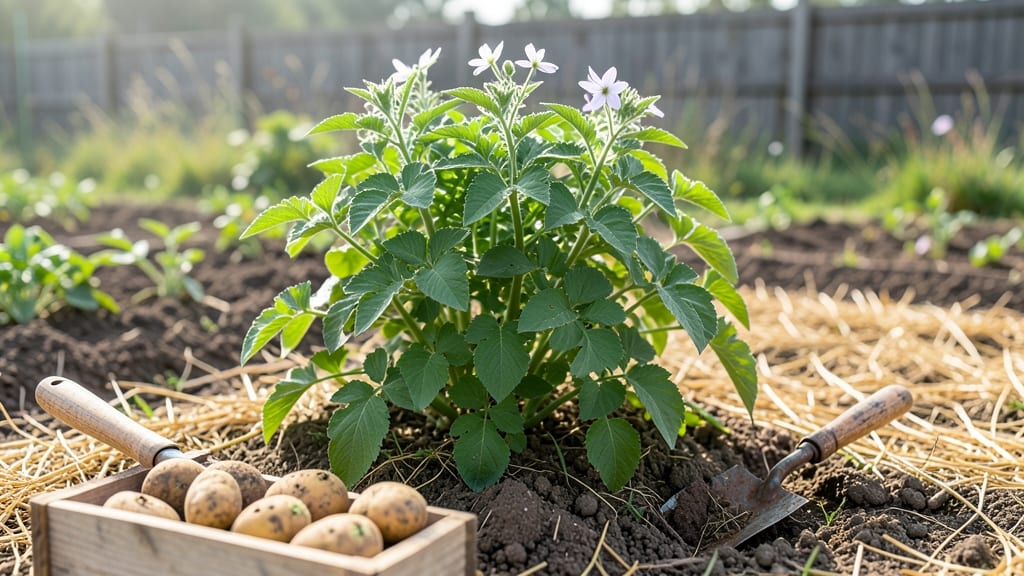
Planting potatoes in Georgia at the wrong time can mean the difference between a bumper crop of 🥔 Yukon Golds and wasted effort. The sweet spot?
Early spring when soil temperatures hit 45°F, but timing varies by region—North GA’s USDA Zone 8a plays by different rules than Central GA’s Zone 8b. Miss the window, and you’re stuck battling heat stress or late-season pests.
I’ve grown potatoes across Georgia’s microclimates, and the best time isn’t just about months—it’s about avoiding frost damage and scorching summer heat. For most gardeners, that means getting seed potatoes in the ground by mid-March (or even late February for early varieties).
But if you’re in Northwest GA’s cooler Zone 7b, you’ve got a little more wiggle room.
Here’s the game-changer: soil temperature matters more than calendar dates. Wait until the ground warms to 45°F, and you’ll see faster sprouting and fewer rot issues.
I’ll break down the exact planting windows for your region—plus how to adjust for late starts or early frosts—so you can dodge common mistakes and harvest crisp, flavorful potatoes before summer takes over.
Ready to skip the guesswork? Let’s dive into the optimal planting schedule for Georgia’s three distinct zones—and how to tweak your approach for maximum yield, whether you’re growing Red LaSodas or fingerlings. Your spud crop will thank you.
Optimal planting months for Georgia potatoes: exact dates by region
Georgia’s diverse climate—from the humid coastal plains to the cooler Appalachian foothills—means your potato planting schedule should match your USDA Zone.
In North Georgia (Zone 7b-8a), like in the Blue Ridge Mountains, you’ll need to plant earlier to avoid late frosts, while Central and South Georgia (Zone 8a-8b) offers a longer window. The key is planting when soil temperatures hit 45°F (7°C) and frost risk drops below 10%.
For seed potatoes (like Yukon Gold or Red LaSoda), aim for early spring to escape summer’s brutal heat, which can cause heat stress and reduce yields. If you’re growing table stock varieties, you can push planting slightly later, but never after mid-April in most regions.
Let’s break it down by zone to pinpoint your perfect planting window.
| Region | Last Frost Date | Ideal Planting Window | Soil Temp Requirement | Heat Stress Risk |
|---|---|---|---|---|
| North Georgia (Zone 7b-8a) | March 10–15 | Late February–Early April | 45°F (7°C) | High after May 15 |
| Central Georgia (Zone 8a) | March 1–10 | Mid-February–Mid-April | 45°F (7°C) | High after May 1 |
| South Georgia (Zone 8b) | February 20–March 1 | January–Late March | 45°F (7°C) | High after April 15 |
| Coastal Georgia (Zone 8b) | February 15–25 | January–Early April | 45°F (7°C) | Moderate (humidity stress) |
In North Georgia, where frosts linger until mid-March, start planting seed potatoes as early as late February. Varieties like Kennebec or Russet thrive in cooler soils and can tolerate a brief chill.
If you’re in Central Georgia, you’ve got a slightly longer window—plant from mid-February to early April—but avoid pushing it past mid-April, or your tubers will struggle with heat stress.
For South Georgia and coastal areas, you can plant as early as January for early-maturing varieties like Red Pontiac. The warmer climate means you can also try a fall planting in September for a late harvest before the first frost.
Just be mindful of humidity risks, which can promote fungal diseases like blight. Use resistant varieties like Atlantic if you’re in coastal zones.
Soil temperature is non-negotiable for potatoes. Use a soil thermometer to confirm it’s at least 45°F (7°C) before planting. Cold soil slows germination and can lead to rotten tubers. In North Georgia, this usually aligns with mid-March, while South Georgia gardeners can start earlier.
If your soil is too cold, wait—your patience will pay off with stronger plants and higher yields.
Heat stress is the silent killer of Georgia potato crops. Temperatures above 85°F (29°C) for prolonged periods stunt growth and cause tuber shriveling. In Central Georgia, this typically happens by early May, so plan to harvest your early varieties by June.
For late-season plantings, use shade cloth or mulch heavily to keep soil cool. Varieties like Sweet Potato (not a true potato but a great alternative) handle heat better, but stick to early-maturing potatoes for summer planting.
Pro tip: If you’re unsure about your last frost date, check the National Weather Service or your local Cooperative Extension Service. They provide hyper-local data that beats guessing.
For example, Athens (Central GA) averages its last frost on March 1, while Dalton (North GA) holds off until March 15. A few weeks’ difference can mean the difference between a thriving crop and a failed harvest.
For table stock varieties, like those sold in grocery stores, you’ve got a bit more flexibility. These can be planted up to mid-April in most of Georgia, but they’ll still need to be harvested before the heat peaks.
If you’re growing for storage, aim to dig tubers by early June to avoid green skin (which contains solanine, a toxin). Cure them in a dark, humid space for 1–2 weeks before storing in a cool, dry place.
Remember, Georgia’s climate is unpredictable. Even if the calendar says it’s safe, always monitor your plants. If nighttime temperatures drop below 50°F (10°C) after planting, cover them with row fabric or straw mulch to protect tender sprouts.
With the right timing, your potatoes will reward you with crisp, flavorful tubers that put store-bought spuds to shame. 🌱
How to adjust planting time for Georgia’s microclimates: coastal vs. Piedmont vs. mountain
Georgia’s diverse geography creates three distinct potato-growing zones, each with unique challenges. The coastal region battles humidity and early heat, while the Piedmont faces intense summer sun, and mountain areas contend with shorter seasons. Adjusting your planting strategy based on these microclimates ensures healthier plants and higher yields.
In coastal Georgia, where summers arrive early, focus on early-maturing varieties like 'Red LaSoda' to avoid heat stress. The Piedmont’s longer growing season lets you experiment with longer-season types like 'Yukon Gold', but mulching is key to retain moisture.
Meanwhile, mountain gardeners must plant sooner to maximize the shorter frost-free window.
For all regions, soil temperature is critical. Wait until the ground reaches 45°F (7°C)—cooler temps delay sprouting. Use a soil thermometer to monitor, especially in mountain areas where nights stay chilly longer.
In the Piedmont, where heat arrives early, consider shade cloth during peak summer to protect tubers forming near the soil surface.
Variety selection also varies by zone. Coastal gardeners should opt for disease-resistant types like 'Sebago', while Piedmont growers can handle longer-season russet varieties. Mountain gardeners benefit from cold-hardy options like 'Katahdin'. Always chit your seed potatoes 4–6 weeks before planting to jumpstart growth, especially in shorter-season areas.
Adjust your watering schedule based on your microclimate. Coastal areas need frequent light watering to combat humidity, while Piedmont gardens thrive with deep, infrequent watering.
Mountain regions can often rely on natural rainfall but should supplement during dry spells. Always water in the morning to reduce fungal risks across all zones.
By tailoring your approach to Georgia’s microclimates, you’ll avoid common pitfalls like blight in coastal areas, heat stress in the Piedmont, or shortened harvests in the mountains. With the right timing and techniques, you’ll enjoy a bountiful potato harvest no matter where you garden in Georgia! 🥔