
Plants
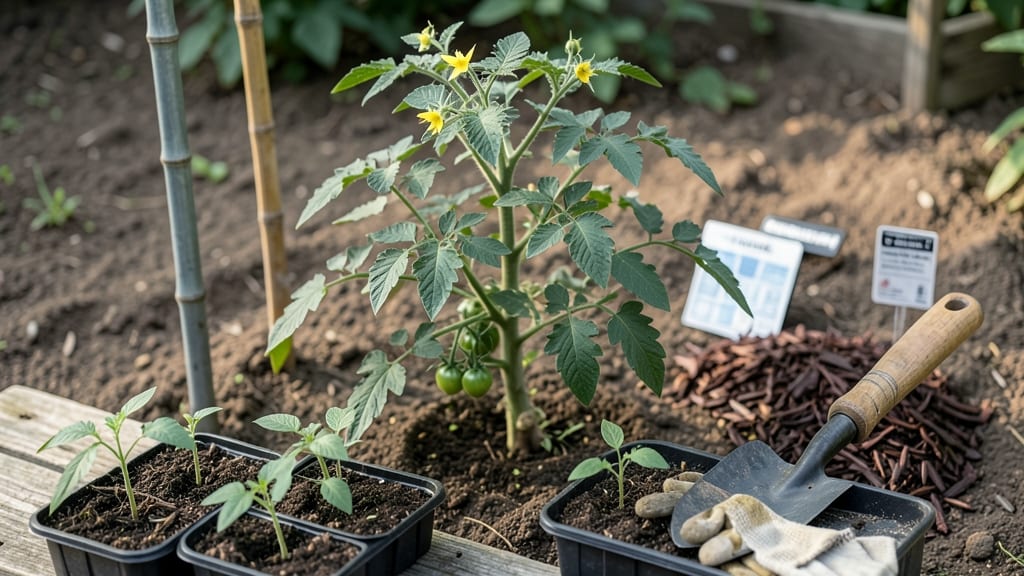
Planting tomatoes in Indiana at the wrong time can mean the difference between a bountiful harvest and wilted disappointment—especially when late frosts still lurk in April. The key to success? Timing your 🍅 seedlings or seeds for that sweet spot after the last frost, when soil warmth finally kicks in.
Most Indiana gardeners wait until mid-April at the earliest, but rushing too soon can leave your plants vulnerable to chilly nights. I’ve learned the hard way that patience pays off—soil needs to hit at least 60°F before you even think about sticking those roots in the ground.
In this guide, I’ll break down exactly when to plant—whether you’re starting seeds indoors or popping in nursery plants—and how to stretch your growing season for bigger yields. Let’s get those tomatoes thriving!
From Purdue Extension’s frost data to soil temperature tricks, you’ll discover the best window for your region, plus pro tips to avoid common mistakes. Ready to turn your garden into a tomato powerhouse?
Indiana's frost-free dates & soil temperature requirements for tomatoes
Indiana's climate varies dramatically from the northern panhandle (Zone 5) to the southern tip (Zone 7), which means your frost-free date could differ by weeks.
In the Hoosier north, gardeners often wait until mid-May to plant tomatoes, while southern Indiana gardeners might start as early as late April. The difference? Soil temperature—tomatoes need warm soil to germinate and thrive.
According to Purdue Extension, soil temperatures below 60°F can delay germination by weeks, while ideal conditions hover between 60-70°F.
I’ve found that using a soil thermometer is a game-changer—it tells you exactly when your garden bed is ready, not just when the air feels warm. Northern Indiana typically hits this mark by late May, while southern Indiana often reaches it by early May.
Here’s the critical data for Indiana’s USDA Zones 5-7, including frost-free windows and soil temperature benchmarks:
| Region | Avg. Last Frost | Soil Temp. for Planting | Best Planting Window | Notes |
|---|---|---|---|---|
| Northern Indiana (Zone 5) | April 25 - May 10 | 60-70°F (late May) | May 15 - June 1 | Use row covers for early starts |
| Central Indiana (Zone 6) | April 15 - April 30 | 60-70°F (early May) | April 30 - May 15 | Monitor nighttime temps |
| Southern Indiana (Zone 7) | March 20 - April 10 | 60-70°F (late April) | April 15 - May 1 | Earlier varieties thrive here |
🌡️ Pro Tip: Check soil temps in the morning—it’s the most accurate reading!
If you’re planting tomato seeds directly in the garden, aim for 2-3 weeks before your region’s last frost date. Seeds need 70-85°F soil to germinate, so in Zone 5, that might mean waiting until late May.
For transplants, the window is wider—just ensure nighttime temps stay above 50°F.
One mistake I’ve seen gardeners make is planting too early, only to have their seedlings rot in cold soil. To avoid this, use black plastic mulch or straw to warm the soil faster.
I’ve also had success with heat mats for seed-starting trays in cooler zones. These tricks can shave weeks off your growing season!
For container gardening, soil warms up faster, so you might plant 1-2 weeks earlier than in-ground tomatoes. Just ensure your pots have drainage holes and use a heat-retaining fabric wrapped around the container. This helps maintain that critical 60°F soil temp even on chilly mornings.
Don’t forget that late frosts can still hit Indiana in May, especially in northern areas. I always keep a frost cloth handy for the first few weeks after planting.
It’s a small investment that can save your entire crop from a surprise 28°F night. Purdue Extension recommends checking the National Weather Service frost predictions weekly until June 1.
Once your soil hits 60°F and stays there, your tomatoes will sprout within 7-14 days. If you’re in Zone 7, you might even get two harvests by planting a second batch in early June. Just remember: succession planting works best with determinate varieties like ‘Celebrity’ or ‘Roma’.
Timing your tomato planting right means the difference between a few sad fruits and a bountiful harvest. Use this guide as your cheat sheet, and don’t hesitate to adjust based on your microclimate. Happy planting—your future salads (and salsa!) will thank you! 🌱
Step-by-step planting timeline for Indiana tomatoes (by region)
Now that you know your frost-free dates and soil temperature benchmarks, let’s break down the exact steps to plant tomatoes in Indiana—whether you’re starting from seeds or using transplants.
The key is matching your actions to your USDA zone and avoiding those sneaky late frosts that can still hit in May.
I’ve planted tomatoes in all three Indiana zones, and the biggest difference comes down to timing. In Zone 7, you might get two harvests in a season, while Zone 5 gardeners need to play it extra safe.
Here’s my foolproof timeline to get your tomatoes in the ground at the perfect moment.
- 1 March (Zone 7 only): Start early varieties indoors (e.g., 'Stupice' or 'Mountain Merit') 6-8 weeks before last frost. Use grow lights if natural light is limited.
- 2 April (All Zones): Harden off seedlings (if started indoors) by placing them outside for 2-3 hours daily, increasing time gradually. Zone 7 can direct-sow seeds after April 15 if soil is 60°F+.
- 3 Mid-April (Zone 7) / Early May (Zone 6): Plant transplants 12-14 inches apart in rows 3 feet apart. Bury stems deeply (up to first leaves) to encourage root growth. Use black plastic mulch to warm soil faster.
- 4 Late May (Zone 5) / Early May (Zone 6): Plant direct seeds (if not using transplants) ¼ inch deep, 2-3 seeds per hole. Thin to strongest seedling. Container gardeners can plant 1-2 weeks earlier.
- 5 June (All Zones): For second crops, plant determinate varieties (e.g., 'Roma') in late May/early June. Use row covers for protection until plants are established.
One trick I swear by is planting basil alongside tomatoes—it repels pests and improves flavor! Just make sure to space them 12 inches apart. For container growers, use 5-gallon pots minimum and plant after May 10 in Zone 5 to avoid cold snaps.
After planting, keep soil moist but not soggy—1-2 inches of water per week is ideal. In Zone 5, I’ve lost entire plants to late frosts in early June, so I always have frost cloth ready until June 10.
Once your plants hit 12 inches tall, they’re usually safe from frost damage.
Remember, indeterminate varieties (like 'Sungold') need stakes or cages at planting time—they grow fast! For determinate types (like 'Celebrity'), you can wait until they’re 6 inches tall.
Either way, mulch heavily to retain moisture and suppress weeds. Your tomatoes will reward you with juicy fruit by July if you follow this timeline!
Pro tip: Mark your planting dates on a garden calendar so you don’t forget. I use colorful flags to track each variety’s progress—it’s surprisingly satisfying to watch those green tomatoes turn red right on schedule! 🌱