
Trees
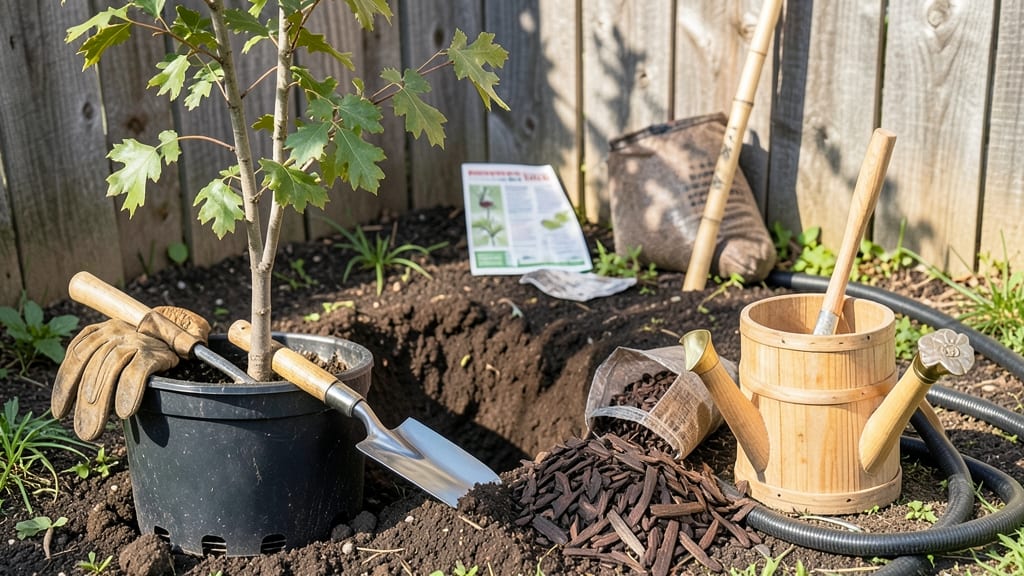
Utah’s optimal tree planting windows: spring vs fall timing by microclimate
Utah’s diverse microclimates create wildly different conditions for tree planting—what works in St. George’s desert heat fails in Cache Valley’s alpine chill. The key? Planting when soil temperatures are ideal and moisture stress is minimal.
Spring offers rapid root establishment, while fall provides cooler temps and winter moisture prep. Let’s break down the perfect planting windows for Utah’s four major zones and 15+ top trees.
First, understand Utah’s frost-free windows: Southern Utah (Zones 7-9) enjoys 240 frost-free days, while the Wasatch Front (Zones 5-6) gets just 120-150 days. High Desert areas like Price or Delta face even shorter growing seasons.
These differences dictate whether you’ll plant in late March-April (spring) or September-October (fall)—with each season offering unique advantages.
Spring planting (March-May) gives trees 6-8 weeks to establish roots before summer’s evaporative stress. However, planting too early risks late frosts damaging tender new growth. Fall planting (September-November) lets trees acclimate to winter while avoiding summer’s 100°F+ soil temps.
The catch? Planting too late risks root freeze before dormancy sets in.
Soil temperature is your best guide: Aim for 45-65°F (7-18°C) at 4” depth. In Utah, this typically means mid-April in Salt Lake City or late March in St. George for spring, and September-October for fall. Use a soil thermometer—don’t guess! Utah’s alkaline soils also benefit from amending with compost 2-3 weeks pre-planting to improve water retention.
| Utah Zone | Best Planting Window | Soil Temp Threshold | Key Species | Frost Risk |
|---|---|---|---|---|
| Wasatch Front (Zones 5-6) | Late April–May (spring) or Sept 15–Oct 15 (fall) | 45–60°F (7–15°C) | Aspen, Cottonwood, Oak, Juniper | High late spring frost |
| Cache Valley (Zones 6-7) | Early April–May or Sept 1–Oct 10 | 50–65°F (10–18°C) | Maple, Birch, Serviceberry, Ponderosa Pine | Moderate early frost |
| High Desert (Zones 5-6) | Mid-April–May or Sept 20–Oct 20 | 40–55°F (4–13°C) | Russian Olive, Desert Willow, Juniper, Sagebrush | Low (cold nights) |
| Southern Utah (Zones 7-9) | Late March–April or Sept 1–Nov 1 | 55–70°F (13–21°C) | Mesquite, Palo Verde, Ironwood, Creosote | Minimal (except high elevations) |
For spring planting, prioritize bare-root trees (available Feb-April) for species like aspen or cottonwood, which need to establish roots before Utah’s June-July drought. Water deeply 2-3 times weekly for the first month, then taper to weekly deep soakings.
In contrast, fall planting suits container-grown trees (e.g., oaks or junipers)—their established root balls handle Utah’s dry autumns better.
Utah’s alkaline soils (pH 7.5-8.5) demand special care: Mix compost or peat moss into the planting hole to improve drainage and nutrient availability. Mulch heavily (3-4” of wood chips) to retain moisture—critical in Utah’s low-humidity zones.
Avoid planting near sidewalks or driveways, where roots compete with pavement for water.
Pro tip: Acclimate container-grown trees before planting by moving them outdoors for 1-2 weeks pre-planting. This hardens them against Utah’s temperature swings. For bare-root trees, soak roots in water for 1-2 hours before planting to revive dormant roots. Both methods boost survival rates in Utah’s harsh conditions.
Timing isn’t just about months—it’s about microclimate cues. Watch for new leaf flush in spring (sign of frost risk passing) or soil cracking in fall (sign of winter moisture). In Southern Utah, plant 2 weeks earlier than the Wasatch Front to avoid 110°F+ soil in late spring.
Adjust for elevation shifts: Add 1 week of delay per 1,000 ft elevation gain.
Native species like quaking aspen or Colorado blue spruce thrive with minimal intervention, while non-natives like Bradford pear demand extra
Critical survival factors for Utah trees: soil prep, watering hacks, and Zone-specific mistakes to avoid
Utah’s alkaline soils and high evaporation rates demand extra prep work before planting trees. Without proper soil amendments, even drought-tolerant species like Russian olive or quaking aspen will struggle to establish roots. The key is creating a moisture-retaining environment while avoiding compaction that suffocates young roots.
Start by testing your soil’s pH—most Utah trees thrive in 6.0-7.5 range. If your soil tests higher (common in desert zones), mix in sulfur or peat moss to lower pH gradually.
For clay-heavy soils (like those in Cache Valley), blend in compost and coarse sand to improve drainage while holding moisture. This prep work can double your tree’s survival odds in Utah’s variable microclimates.
🚨 3 Deadly Mistakes That Kill Utah Trees
- Planting in spring—your tree’s roots won’t establish before Utah’s 100°F+ heat arrives.
- Over-watering in alkaline soils causes root rot—stick to deep, infrequent watering.
- Burying the root flare (where roots meet trunk) traps moisture and invites disease. Always plant with the flare 1-2 inches above soil.
Watering in Utah isn’t just about frequency—it’s about timing and technique. Newly planted trees need 10-15 gallons of water per week during their first year, delivered in deep soakings (not light sprinkles). Schedule watering for early morning to reduce evaporation and fungal risks.
In Zone 7a (Southern Utah), where summers hit 110°F, mulch with 4-6 inches of wood chips to retain moisture and cool roots.
For high-desert areas (like near Moab), focus on drip irrigation systems that deliver water directly to roots. Avoid overhead sprinklers—they waste 70% of water to evaporation. Even native Ponderosa pines need consistent moisture during their first two years, so don’t skip this step.
Pro tip: Use a soil moisture meter to check depth—Utah’s topsoil can look moist while roots stay dry.
Mulching isn’t optional in Utah—it’s a survival tactic. Use organic mulch (like straw or shredded bark) in a 3-inch ring around your tree, keeping it 6 inches away from the trunk to prevent rot. This layer can reduce soil temperature by 10°F and cut water needs by 30%.
Replenish mulch annually, especially in windy zones where it blows away quickly. Pair this with mycorrhizal fungi (available at local nurseries) to boost root absorption in alkaline soils.
Finally, Utah’s first frost dates vary wildly—from October 15 in Salt Lake City to November 15 in St. George. If you plant in late fall, choose fast-rooting species like Eastern red cedar or New Mexico privet.
For spring planting, wait until soil temps hit 50°F (usually mid-April in most zones). Rushing the timing is the #1 reason Utah trees fail—patience pays off with stronger root systems.