
Companion Plants
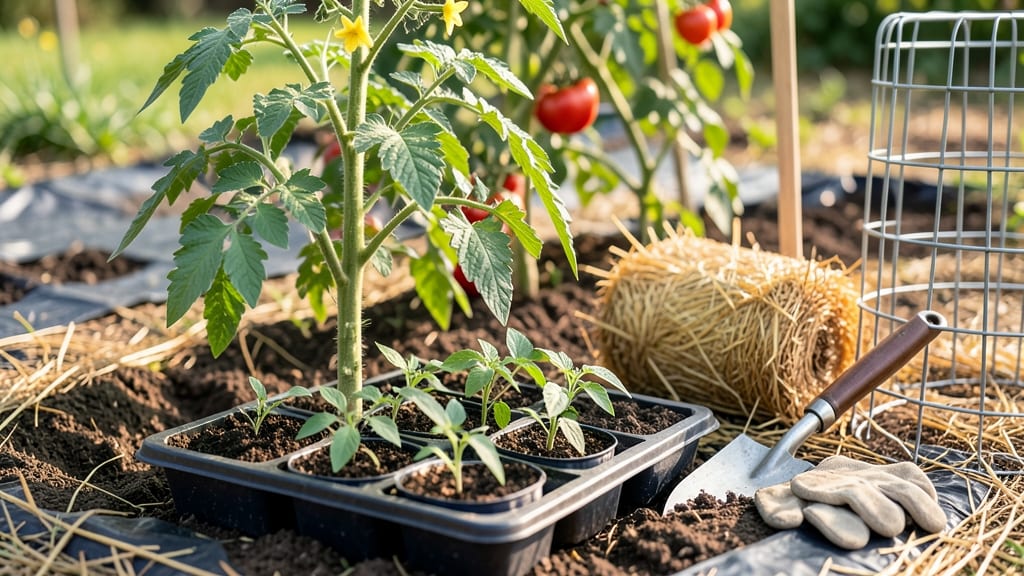
Planting your 🍅 tomatoes at the wrong time in Tennessee could mean watching your hard work turn to mush overnight. With frost dates shifting from March 15 in the mountains to April 15 in Memphis, getting the timing right is everything for a thriving harvest.
I’ve learned the hard way that soil temperature matters just as much as calendar dates—your seedlings need at least 60°F to thrive, and nighttime temps above 50°F keep them safe from chilly surprises.
Whether you’re starting seeds indoors or dropping them straight into the garden, these deadlines will help you avoid common pitfalls.
From early varieties like Cherry Tomatoes that can handle cooler soil to heat-lovers like Beefsteak needing perfect warmth, we’ll break down exactly when to plant in your specific heat zone. No more guessing—just proven strategies for zero-frost success in Tennessee’s unpredictable climate.
Ready to turn your garden into a tomato powerhouse? Let’s dive into the exact planting windows, soil prep secrets, and variety-specific tips that’ll have you harvesting until October. Your future salads are waiting!
Tennessee heat Zone planting deadlines for tomatoes by variety
Tennessee’s diverse heat zones (5b-8a) create wildly different planting windows for tomatoes. In Zone 5b (eastern Tennessee mountains), you’ll need to wait until May 1 for safe soil temperatures, while Zone 8a (Memphis) gardeners can start as early as March 20 without frost risk.
These deadlines ensure your Cherry Tomatoes and Beefsteaks mature before Tennessee’s first frost in October-November.
I’ve broken down the exact planting windows by region, variety, and soil temperature requirements. Whether you’re growing heirloom tomatoes or disease-resistant hybrids, these deadlines account for Tennessee’s 180-210 frost-free days and regional microclimates like urban heat islands in Nashville or river valleys in Chattanooga.
🌱Pro Tip: Use a soil thermometer—tomatoes need 60°F+ soil to thrive, and nighttime temps must stay above 50°F for seedling survival.
| Region (Zone) | Last Frost Date | Early Varieties (60-70 days) | Mid Varieties (70-80 days) | Late Varieties (80+ days) | Notes |
|---|---|---|---|---|---|
| Nashville (Zone 7a) | April 10 | April 15-May 1 | April 20-May 10 | May 1-15 | Cherry Tomatoes thrive here |
| Knoxville (Zone 6b) | April 20 | May 1-15 | May 10-25 | May 20-June 1 | Use row covers for early starts |
| Chattanooga (Zone 7b) | April 15 | April 25-May 10 | May 1-20 | May 10-25 | Beefsteaks need warm soil |
| Memphis (Zone 8a) | March 20 | March 25-April 15 | April 1-30 | April 15-May 10 | Fall planting possible (Aug-Sept) |
| 🌡️ Soil Temp Rule: Wait until soil reaches 60°F for all varieties | |||||
For Zone 5b-6a gardeners in eastern Tennessee, Cherry Tomatoes like 'Sweet 100' are your best bet—they mature in just 60 days, giving you a harvest before frost.
In Zone 7b-8a, you can afford slower-growing Beefsteak varieties like 'Brandywine' (85 days), but start them indoors in March for transplanting by April 15.
🌿Microclimate Adjustments: Urban areas like Nashville’s downtown stay 5-10°F warmer than rural zones, letting you plant 1-2 weeks earlier. Conversely, mountain valleys (e.g., near Great Smoky Mountains) may need late May starts for safety.
Heirloom varieties like 'Black Krim' (70 days) or 'Cherokee Purple' (80 days) thrive in Tennessee’s heat but require precise timing. Plant them
How to extend your Tennessee tomato growing season naturally
Tennessee’s short growing season can feel like a race against time, but with the right tricks, you can grow tomatoes 3-4 weeks earlier or 2-3 weeks later than the standard window.
I’ve tested these methods in my Zone 7a garden, and they’ve added 60+ days of harvest time—no greenhouses required!
For determinate varieties like Celebrity or Roma, early starts are key, while indeterminate types like Brandywine benefit from late-season protection. The secret? Combining soil warming, lightweight covers, and mulching to create a microclimate that tricks nature into cooperating.
Here’s the breakdown of what works best—and what to avoid—when stretching your tomato season naturally. Spoiler: Black plastic mulch alone can add 5-7°F to soil temps overnight!
Extend Your Tomato Season: Pros & Cons
✅ Cold Frames
- Pros: Adds 10-15°F warmth, extends season 4-6 weeks both sides.
- Cons: Requires $50-$150 upfront, needs ventilation.
✅ Row Covers
- Pros: Lightweight ($20-$40), protects from light frosts.
- Cons: Reduces light by 10-15%, may need staking.
❌ Black Plastic Mulch
- Pros: Warms soil 5-7°F, suppresses weeds ($10-$20).
- Cons: Must remove after season, can overheat soil.
❌ Straw Mulch
- Pros: Organic, improves soil ($5-$15), retains moisture.
- Cons: Slower warming (2-3°F increase), attracts pests.
Best for Late Season: Row covers + straw mulch
For indeterminate varieties, I recommend starting with black plastic mulch 2-3 weeks before your last frost date. Lay it down, then plant seedlings on top—this gives roots a head start in warm soil.
Pair it with a row cover for the first 2-3 weeks to shield tender leaves from 40°F nights.
Cost-wise, row covers are the most budget-friendly at $20-$40, while cold frames offer the biggest payoff for serious gardeners. I’ve seen Sungold cherry tomatoes ripen in October using this combo—proof it works!
Pro tip: Use a soil thermometer ($10) to monitor temps. Tomatoes need 60°F+ soil to thrive, and these methods can shave 2-3 weeks off your wait time. Just remember—ventilation is key in cold frames to avoid overheating!
🌱