
Plants
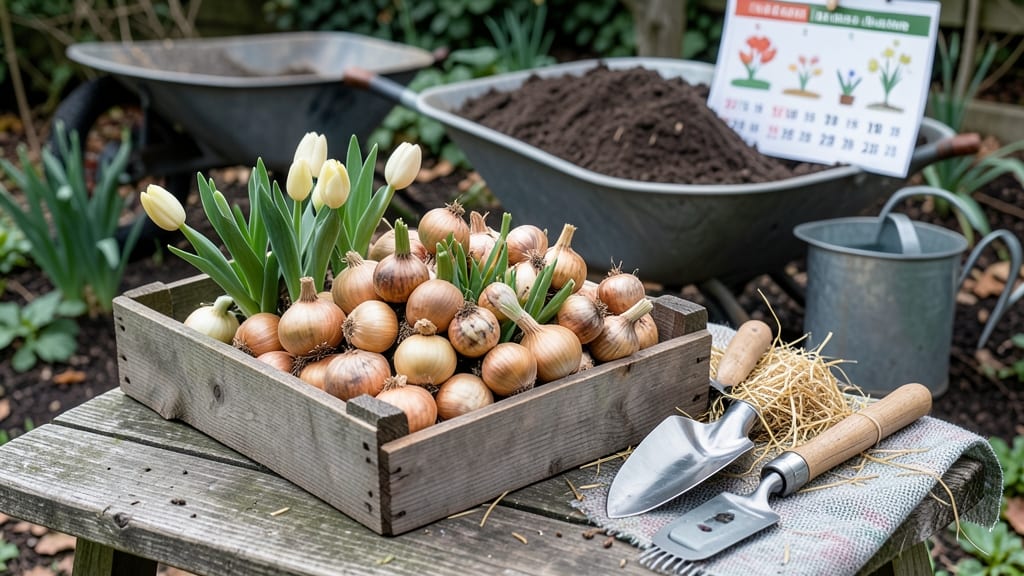
Planting bulbs in the ground at the wrong time can mean the difference between a garden bursting with color and a patch of dirt where nothing grows.
The key to strong, vibrant blooms starts with understanding when to plant bulbs in the ground—and it’s not just about picking a random weekend in spring.
Most gardeners know fall is ideal for bulbs like tulips and daffodils, but why? Cool soil temperatures trigger natural root growth, giving them a head start before winter.
In USDA Zone 6a, like where I garden, that window opens around 6-8 weeks before the first frost—typically late September to early October. But spring planting has its own rules, too, and skipping the deadline can leave you with weak or no flowers at all.
Whether you’re a first-time gardener or a seasoned pro, timing matters more than you think. I’ll break down the exact months for your region, how to prep soil for success, and the 3 biggest mistakes that kill bulb growth before it starts.
Let’s get those 🌱 bulbs in the ground the right way—so you can enjoy blooms that’ll make your neighbors jealous.
Ready to transform bare soil into a springtime showstopper? The secret isn’t complicated—it’s just about planting at the perfect moment. Stick with me, and you’ll never second-guess your schedule again.
Fall planting rules for bulbs: the best time and why it works
Fall planting gives bulbs a head start on root growth before winter dormancy. When you plant in cool autumn soil, bulbs establish strong roots without competing with summer heat. This natural process ensures vibrant blooms next spring with minimal effort from you.
Nature designed bulbs to thrive in fall’s 60-70°F soil temperatures. These conditions trigger root development while the bulb itself remains dormant. By the time spring arrives, your bulbs will already have a network of roots ready to support rapid above-ground growth.
The ideal window is 6-8 weeks before your first frost date. This timing varies by USDA zone—cooler northern regions plant earlier (September), while warmer southern zones can wait until November. Check your local frost dates to pinpoint the perfect moment.
Soil preparation is just as critical as timing. Loosen the soil to 2-3 times the bulb’s height and mix in compost or aged manure for nutrients. Avoid fresh manure, which can burn delicate roots. A light layer of mulch after planting helps insulate bulbs through winter.
Bulb types like tulips, daffodils, and crocuses thrive with fall planting. Even summer-blooming bulbs (like dahlias) benefit from early fall roots. The key is planting before the ground freezes—roots can’t grow in frozen soil, but established roots survive winter better.
Here’s a quick reference for your fall planting timeline by USDA zone:
| USDA Zone | Best Planting Month | Soil Temp Goal | Key Action |
|---|---|---|---|
| Zones 3-5 | September | 60-65°F | Plant before ground freezes |
| Zones 6-7 | October | 55-60°F | Add mulch after planting |
| Zones 8-10 | November-December | 50-55°F | Water lightly post-planting |
| All Zones | 6-8 weeks before frost | Cool but unfrozen | Avoid planting in frost |
After planting, water thoroughly to settle the soil around bulbs. Unlike spring planting, you don’t need to fertilize in fall—bulbs draw nutrients from their own reserves during dormancy. The real work happens underground while you enjoy minimal maintenance until spring.
One common mistake is planting too shallow. Always bury bulbs 2-3 times their height—shallow planting exposes them to frost heave, where freezing/thawing cycles push bulbs to the surface. For small bulbs (like crocuses), 3 inches deep works; larger ones (like tulips) need 6-8 inches.
Fall-planted bulbs also benefit from natural pest control. Cool weather reduces slug and vole activity, giving your bulbs a safer start. If you notice pests in early spring, apply organic slug bait or diatomaceous earth around planting areas for protection.
By following these rules, you’ll see healthier blooms with fewer floppy stems. The secret? Let nature do most of the work—your bulbs will thank you with bold, long-lasting flowers next season. 🌱
Spring planting bulbs: when late is too late and what to do instead
Spring planting bulbs can still yield beautiful blooms, but timing is everything. Unlike fall planting, where bulbs establish roots before winter, spring-planted bulbs must grow both roots and foliage simultaneously. This puts extra pressure on them, especially if planted too late.
In USDA Zone 6a, my region, the ideal window opens 4-6 weeks before your last frost date—typically late February to early April.
Miss this window, and you risk weak stems, poor blooms, or no flowers at all. Bulbs planted too late may not develop strong enough roots to support top growth, leading to floppy stems that flop over or fail to bloom.
Even worse, late planting can expose bulbs to hot summer soil temperatures, which can cause them to dry out or rot before they even have a chance to sprout.
Here’s the critical rule: Plant spring bulbs as soon as the soil is workable—usually when temperatures stay above 50°F (10°C) consistently. In my garden, that’s often by mid-March, but always check your local frost dates.
If you’re unsure, err on the earlier side—bulbs planted too soon won’t sprout until conditions improve, but they’ll still establish roots.
Not all bulbs have the same deadline. Here’s when it’s too late to plant in the ground:
- Tulips, Daffodils, Hyacinths: After mid-April in most zones
- Crocuses, Snowdrops: Up to early May (they’re hardier)
- Summer-Blooming Bulbs (Dahlias, Cannas): After last frost date (they need warm soil)
Signs you’ve missed the window: Soil stays frozen, buds appear but don’t bloom, or stems grow but flop over immediately.
If you’ve already missed the spring planting window, don’t panic. You still have options! One of my favorite tricks is potted bulb planting.
Simply plant bulbs in containers filled with well-draining soil and keep them in a cool, dark place (like a garage or basement) until 6-8 weeks before your last frost. Then, transplant them outside—this mimics the natural fall planting cycle and gives bulbs a head start.
Another strategy is to plant bulbs in raised beds or containers where soil warms up faster. This can extend your planting window by 2-3 weeks compared to in-ground planting. Just ensure the containers have drainage holes to prevent rot.
For example, I’ve had great success with tulip bulbs in black plastic pots buried in garden beds—they warm up quickly and still produce stunning blooms.
Finally, if you’re dealing with extremely late planting, focus on hardier bulb varieties like crocuses or alliums. These tolerate cooler soils and often bloom even when planted in early spring.
Pair them with annuals or perennials that thrive in similar conditions, like heuchera or ajuga, to fill in gaps while your bulbs establish themselves.
Remember, even if you miss the ideal window, planting is better than nothing. With the right adjustments, you can still enjoy vibrant blooms—just don’t expect the same showstopping results as perfectly timed fall plantings. 🌷