
Plants
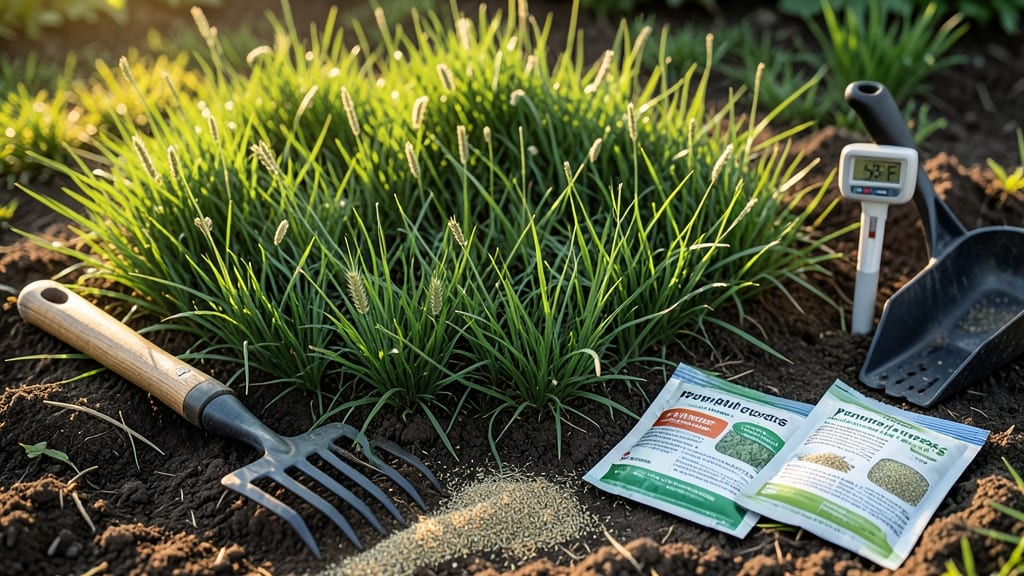
Planting grass seed in Michigan at the wrong time can turn your dream of a lush lawn into a frustrating gamble—especially when frost sneaks in or summer drought sets in.
The key isn’t just picking a month from a calendar; it’s understanding how soil temperature, frost dates, and regional microclimates (like 5b-6b zones) determine success. Whether you're establishing a new lawn or overseeding an existing one, timing directly impacts germination rates and long-term health.
Most Michigan gardeners assume spring is the only window, but early fall often yields better results—cooler temps reduce weed competition while keeping the soil warm enough for roots to take hold.
I’ll break down the exact soil temperature thresholds (50–65°F) that signal it’s go-time, plus how northern Michigan’s shorter growing season differs from southern areas. No more guessing whether your 🌱 grass will thrive or wither.
You’ll also discover why planting too early (risking frost damage) or too late (inviting weeds) can derail your project—and how to prep your soil for maximum seed-to-sprout success.
From choosing the right grass type for your climate to post-planting care, this guide covers every step to ensure your lawn establishes strong, year-round.
Ready to stop second-guessing and start planting with confidence? Let’s dive into the science-backed timeline that’ll give you the greenest, hardiest lawn Michigan’s climate can handle.
Michigan’s ideal grass seed planting window: months & soil temperature rules
Michigan’s climate demands precision when planting grass seed—timing directly impacts germination rates and lawn success. The optimal window spans early spring (March-April) and early fall (September-October), but soil temperature is the true decider.
Northern Michigan (USDA Zone 4) has a shorter frost-free window than southern Michigan (Zone 6), so adjustments are critical.
For cool-season grasses like Kentucky bluegrass and tall fescue, which dominate Michigan lawns, soil temperatures between 50–65°F trigger germination. Planting too early (when soil is still cold) risks frost heave, while waiting too late invites weed competition.
The key is balancing warm soil with cool air temperatures—a sweet spot that varies by region.
Southern Michigan (e.g., Detroit, Ann Arbor) can start as early as late March, while northern areas (e.g., Traverse City, Marquette) should wait until mid-to-late April. Fall planting in southern Michigan ends by mid-October, but northern regions must finish by early September to avoid winter kill.
Here’s the critical data for Michigan’s planting windows, broken down by region and soil conditions:
| Region | USDA Zone | Spring Planting Window | Fall Planting Window | Soil Temp Threshold (°F) | Key Risk |
|---|---|---|---|---|---|
| Southern MI (Detroit, Kalamazoo) | Zone 6a-6b | Late March–Early May | Mid-Sept–Mid-Oct | 50–65°F | Late frost damage |
| Central MI (Lansing, Grand Rapids) | Zone 5b-6a | Mid-April–Early May | Early Sept–Early Oct | 50–65°F | Weed competition |
| Northern MI (Traverse City, Marquette) | Zone 4b-5a | Late April–Early June | Early–Mid-Sept | 50–65°F | Short growing season |
Use a soil thermometer to confirm temperatures—50°F is the minimum for germination, but 60–65°F yields the fastest results. In northern Michigan, where spring arrives later, consider cover crops like clover to protect soil until temperatures rise.
For fall planting, aim to finish 6–8 weeks before the first frost date to allow roots to establish.
Michigan’s microclimates add another layer of complexity. Urban areas like Detroit may experience heat islands that warm soil faster, while rural Upper Peninsula regions can linger in frost longer.
Check your local USDA Plant Hardiness Zone map and track weekly soil temps via apps like PlantNet or Michigan State University’s weather tools.
Pro tip: If you’re overseeding an existing lawn, late summer (August) is ideal—it gives new grass a head start before winter. For new lawns, spring planting is often better because it avoids fall’s weed pressure and animal disturbances.
Always test your soil’s pH (6.0–7.0) and nitrogen levels before planting to avoid nutrient deficiencies.
One common mistake is planting too late in fall, which leaves seedlings vulnerable to early frosts or snow mold. In my own yard in Zone 5b Grand Rapids, I’ve seen grass planted in mid-October struggle through winter, while September plantings thrived.
Pay attention to 7-day forecasts and avoid planting if frost is predicted within 10 days.
For northern Michigan gardeners, extend your planting window by using row covers or straw mulch to insulate soil and protect young seedlings. In southern Michigan, early spring plantings benefit from lightweight mulch to retain moisture during windy conditions.
Both regions should prioritize consistent watering—1/4 inch daily for the first 2 weeks—to prevent crusting.
Remember: Michigan’s unpredictable weather means flexibility is key. If spring arrives late, don’t rush—wait for consistent 50°F+ soil temps for 5–7 days. The same goes for fall; don’t delay planting just because summer lingers. Use these rules as your guide, but stay
How to avoid common Michigan grass seed planting mistakes (and when to replant)
Planting grass seed in Michigan isn’t just about picking a month from the calendar—it’s about avoiding frost damage, weed competition, and drought stress. Many gardeners rush into spring planting only to watch their seeds freeze or fail to germinate.
Even worse, planting too late means weeds will outcompete your tender grass seedlings. The key is understanding Michigan’s 50–65°F soil temperature sweet spot and regional frost patterns.
In northern Michigan (USDA Zone 5b), you have a narrower window—typically late April to early May or early September—while southern Michigan (Zone 6b) can start as early as mid-March or extend into late October.
But timing isn’t the only pitfall. Skipping soil prep or inconsistent watering can turn your seed investment into a wasted expense. Let’s fix these common mistakes before they derail your lawn.
⚠️ Michigan Grass Seed Planting Dead Zones
- Too Early: Before soil temps hit 50°F (risk: frost kill). Northern MI waits until after April 15; southern MI can start mid-March.
- Too Late: After September 15 (weeds dominate). Late fall seeds struggle to establish before winter.
- Ignoring Moisture: Dry soil = seed desiccation. Water daily for 2 weeks post-planting (1/4 inch/day).
🌡️ Pro Tip: Use a soil thermometer—if temps dip below 50°F at night, delay planting.
Even with perfect timing, poor soil prep can sabotage your grass. Before planting, remove debris and loosen the top 2–3 inches of soil to improve seed-to-soil contact. Add compost or peat moss if your soil is sandy or clay-heavy—Michigan’s glacial till often needs amendments for better drainage.
A light raking after seeding ensures seeds aren’t buried too deep (ideal depth: 1/4 inch for most varieties).
Watering is where most mistakes happen. New grass needs consistent moisture, but overwatering can suffocate seeds. Aim for 1/4 inch of water daily (use a rain gauge) for the first 2 weeks, then taper to every other day once sprouts appear.
Water early morning to reduce evaporation and fungal risks. Avoid splashing soil onto leaves—this can spread disease. A light mulch (straw, not hay) helps retain moisture without smothering seedlings.
Knowing when to replant failed areas is just as critical. If your lawn shows patchy growth after 3 weeks or seeds fail to sprout, wait until soil temps rise to 60°F+ and replant.
For spring failures, aim for late May; for fall, early September is your last chance. Use a broadcast spreader for even coverage and mark the area to avoid overlapping with existing grass.
Don’t let Michigan’s unpredictable weather become an excuse for a mediocre lawn. By avoiding these common pitfalls—wrong timing, poor prep, and inconsistent care—you’ll give your grass the best shot at thriving.
With the right approach, you’ll have a lush, weed-resistant lawn that stands up to Michigan’s harsh winters and humid summers. 🌱