
Plants
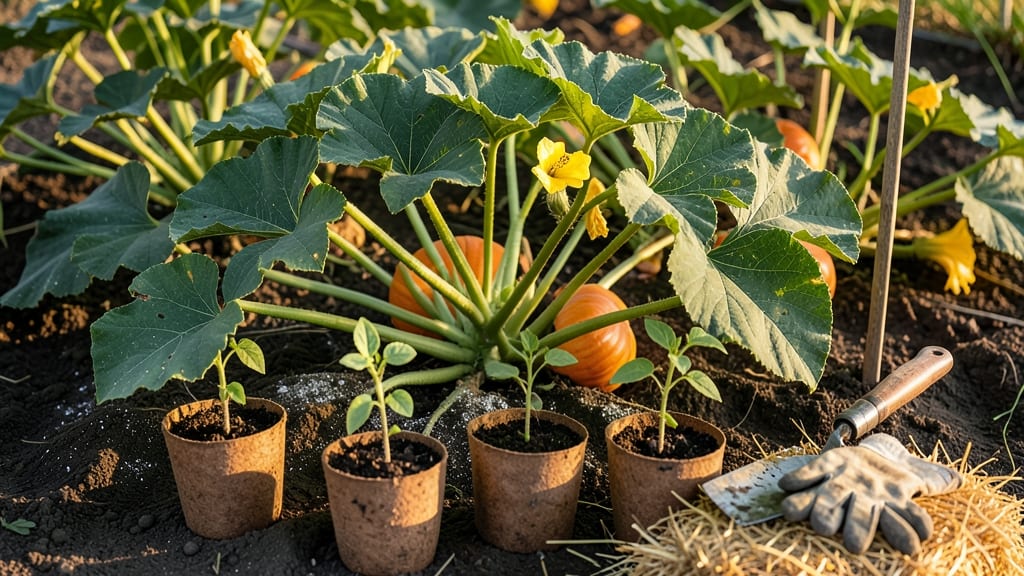
Planting pumpkins in Missouri isn’t just about dropping seeds in the dirt—it’s about catching that perfect window between frost and summer heat to grow a thriving crop.
With last frosts lingering into April and first frosts creeping up by October, timing your 🎃 seeds just right means the difference between a bumper harvest and a sad, wilted vine.
Most Missouri gardeners swear by mid-April to early June as the ideal planting window, but your exact start date depends on whether you’re in St. Louis’s warmer Zone 6b or Kansas City’s cooler Zone 5b.
Too early, and a late frost will nip your seedlings in the bud; too late, and your pumpkins might not mature before fall’s chill sets in.
Here’s the game-changer: soil temperature matters more than the calendar. Wait until the ground warms to at least 60°F, and you’ll give your pumpkins the fast start they need.
I’ll walk you through how to prep your soil, adjust for Missouri’s quirky weather, and even share my favorite varieties that handle the Show-Me State’s ups and downs.
Ready to turn your garden into a pumpkin patch? Let’s break down the exact steps—from seed to harvest—so you can plant with confidence and avoid the most common Missouri mistakes.
Missouri pumpkin planting calendar: best months for spring vs fall success
Missouri’s hardiness zones 5b-7a create a unique challenge for pumpkin growers—too early, and frost zaps seedlings; too late, and you’ll miss the 90-120 day harvest window before fall frosts. The sweet spot? Mid-April to early June for spring planting, with fall options in late July for shorter-season varieties.
Let’s break down the exact timing for St. Louis (Zone 6a) vs. Kansas City (Zone 5b) to maximize your 🎃 harvest potential.
Spring planting dominates because pumpkins need warm soil (60°F+) and 165 frost-free days to mature. In northern Missouri (Zone 5b), aim for late April to May 15—after the average last frost date (April 15).
Southern Missouri (Zone 6a) gardeners can start as early as mid-April, but always wait for soil warmth. Fall planting is riskier but works for fast varieties like ‘Jack Be Little’ sown in late July for harvest before October 15.
Here’s your Missouri Pumpkin Planting Timeline with regional adjustments:
| Region | Spring Planting Window | Fall Planting Window | Soil Temp Threshold | Key Notes |
|---|---|---|---|---|
| Northern MO (Zone 5b) | Late April–May 15 | Late July (fast varieties only) | 60°F+ | Use black plastic mulch to warm soil |
| Central MO (Zone 6a) | Mid-April–May 10 | Early August (short season) | 60°F+ | Monitor for late spring frosts |
| Southern MO (Zone 7a) | Early April–May 5 | Mid-August (extended season) | 60°F+ | Longer growing season allows fall trials |
🌱 Pro Tip: Test soil temp with a soil thermometer—pumpkin seeds need consistent warmth to germinate.
Missouri’s unpredictable weather demands flexibility. If April frosts linger (common in Kansas City), delay planting until May 1 or use row covers for early starts.
For St. Louis, where springs warm faster, you can plant ‘Sugar Pie’ by April 15—but have a backup date of May 10 ready. Fall plantings require fast-maturing varieties (75-90 days) to avoid early October frosts.
Soil preparation is just as critical as timing. Pumpkins thrive in well-draining, compost-rich soil with a pH of 6.0–7.0. Work in 2–3 inches of compost and avoid fresh manure, which can cause blossom-end rot.
In northern Missouri, use black plastic mulch to raise soil temps by 5–10°F, giving seedlings a head start. Southern Missouri gardeners can skip mulch but should water deeply during dry spells.
For container growing (great for small spaces), choose bush varieties like ‘Howden’ and plant in 5-gallon pots by May 1.
Containers dry out faster, so water every 2–3 days and use self-watering systems if possible. Harvest timing depends on variety: ‘Jack Be Little’ (75 days) vs. ‘Sugar Pie’ (110 days). Aim to harvest before October 15 in most of Missouri to avoid frost damage.
Missouri’s microclimates mean your neighbor’s success might not match yours. For example, Kansas City’s Zone 5b often sees late April frosts, while St. Louis (Zone 6a) can plant 2 weeks earlier.
Use your local cooperative extension office for frost date updates—they track real-time weather patterns that affect your planting window. Pro Tip: Plant a test row of fast-maturing ‘Peter Pan’ pumpkins in early May to gauge your soil’s readiness.
One common mistake? Planting too close to summer and rushing the harvest. If you sow seeds after June 1, your pumpkins may not mature before first frost. Instead, space plantings every 2 weeks from April to early June to stagger harvests.
This extends your pumpkin season and ensures you have fresh fruit for pies and decorations well into October.
For fall planting, limit your options to 75-day varieties like ‘Autumn Gold’ or ‘Small Sugar.’ Sow seeds in late July and use row covers to protect young plants from early September chills. Harvest before October 15
How to adjust pumpkin planting for Missouri’s unpredictable weather patterns
Missouri’s weather can throw curveballs—one day it’s 70°F, the next a late-April frost hits. Pumpkins need warm soil (60°F+) and frost-free growing days to thrive. Without adjustments, your hard work could vanish overnight.
The key? Proactive planning with tools like row covers and cold frames to protect tender seedlings and extend your growing season.
Start by monitoring your local frost dates. Most of Missouri sees its last frost around April 15, but northern areas (like St. Louis) can face delays. If you plant too early and frost strikes, your seedlings will die.
Conversely, planting too late risks small harvests or immature pumpkins before first frost in October. Balance is everything.
⚠️ WARNING: Missouri-Specific Risks ⚠️
Use row covers or floating tunnels to buy time. These lightweight fabrics shield seedlings from light frosts (28-32°F) while allowing sunlight and water through. For a head start, sow seeds indoors in biodegradable pots 2-3 weeks before your target outdoor date.
Transplant seedlings after the last frost, but be ready to cover them again if a 50°F night sneaks up.
Cold frames are another game-changer. They trap heat and can extend your growing season by 3-4 weeks in both spring and fall. Place a clear plastic lid over a wooden frame (or use a pre-made cold frame) and plant seeds inside 4-6 weeks before your usual outdoor date.
This lets you start earlier and harvest later. Just ventilate daily to prevent overheating.
If frost warnings pop up after planting, act fast. Water deeply the night before to insulate roots, then pile mulch or straw around the base. For seedlings, drape a row cover or even an old blanket over them.
Remove it the next morning once temperatures rise. This one-night trick can save your crop from frost damage.
For a backup plan, stagger your plantings. Sow half your seeds in early May and the other half in mid-June. This ensures at least one batch matures before frost. Choose fast-maturing varieties (like ‘Jack Be Little’, which ripens in 75 days) for your late planting.
Even if the first frost arrives early, you’ll still get a small but successful harvest.
Missouri’s weather may be unpredictable, but with these strategies, you’ll outsmart frost and grow bountiful pumpkins—no matter what Mother Nature throws your way. Start with soil warmth, add protective layers, and always have a Plan B. Your future jack-o’-lanterns will thank you! 🎃