
Plants
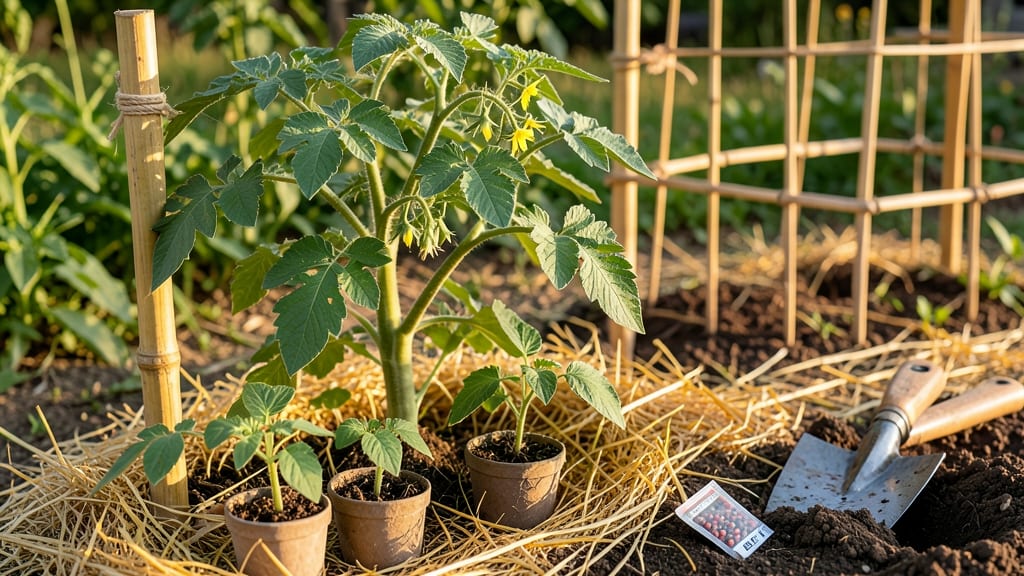
Planting tomatoes in Ohio isn’t just about grabbing a seed packet and sticking it in the dirt—it’s about timing it just right to avoid frost damage and maximize your 🍅 harvest.
With Ohio’s 6a climate zone and unpredictable spring weather, getting the window wrong can mean the difference between juicy vine-ripened tomatoes and sad, wilted plants.
Most Ohio gardeners wait until mid-April to mid-May to transplant seedlings, but that’s just the starting point. The real secret lies in understanding your specific region’s last frost date—whether you’re in colder Northwest Ohio or milder Southeast areas—and adjusting accordingly.
I’ll show you exactly when to plant for your zone, plus how to protect your plants if Mother Nature throws a curveball.
You’ll also discover whether starting seeds indoors in March gives you an edge or if direct sowing in early spring works better for your area.
Plus, I’ll share my go-to tricks for extending the season, like using row covers to shield young plants from late frosts or choosing fast-growing varieties that beat the clock before Ohio’s first frost in October.
Ready to grow tomatoes that rival your favorite grocery store (or farmer’s market) finds? Let’s dive into the perfect planting schedule tailored for Ohio’s unique growing conditions—so you can enjoy homegrown tomatoes from July through September without the guesswork.
Ohio last frost dates by region: exact timing for transplanting tomato seedlings
Ohio’s diverse climate means your last frost date can vary by 3-4 weeks depending on where you garden. In colder Northwest Ohio, you might still see frost in late April, while Southeast Ohio often warms up by early April.
These differences matter because tomatoes need warm soil (60°F+) and consistent temperatures above 50°F to thrive. Planting too early risks frost damage, while waiting too long cuts your harvest short.
To pinpoint your exact window, I’ve broken down Ohio’s 10 climate zones into four key regions—each with its own historical frost data and planting recommendations. Whether you’re in urban Cincinnati or rural Appalachia, these dates will help you schedule your seedlings for success.
Remember, microclimates (like south-facing slopes or city heat islands) can shift your timeline by 1-2 weeks.
Key rule: Never transplant seedlings outdoors until you’ve passed your average last frost date AND soil temperatures stay above 60°F for 5+ days. Use a soil thermometer to check—it’s the most reliable guide. For extra safety, wait until mid-May in colder zones or use row covers to protect young plants from late frosts.
If you’re in Northwest or Northeast Ohio, I recommend starting seedlings indoors by March 1 to give them a head start. By the time you transplant in mid-May, they’ll be 12–18 inches tall and ready to fruit.
For Southeast Ohio, you can even direct-sow seeds in early April under row covers—just be prepared to protect them if nighttime temps dip below 45°F.
Pro tip: Check Ohio State University’s Midwest Regional Climate Center for your local frost history. Over the past decade, Southeast Ohio has seen its last frost shift 2–3 days earlier per year due to climate change, while Northwest Ohio remains stubbornly cold.
Adjust your timeline accordingly—don’t rely on "typical" dates if your area has warmed up faster.
For urban gardeners, city heat can be your ally. Concrete and buildings absorb heat, raising soil temperatures by 3–5°F compared to rural areas. This means you can transplant 1 week earlier in cities like Cincinnati or Columbus.
However, urban pollution can stress tomato plants, so boost their resilience with compost-rich soil and regular mulching.
How to adjust your tomato planting schedule for Ohio’s unpredictable weather
Ohio’s unpredictable spring weather can turn a perfect tomato planting schedule into a gamble—one day of frost can wipe out weeks of progress. That’s why I’ve learned to play it smart by adjusting my planting timeline based on soil temperatures, local forecasts, and even heatwave risks.
The key is flexibility: knowing when to start seeds indoors, when to harden off seedlings, and how to protect young plants from late frosts or scorching summer sun.
Most gardeners in Ohio’s 6a zone aim to transplant seedlings after the last frost—typically mid-April to mid-May—but that’s just the baseline. I’ve found that adding a 2-week buffer for northern Ohio or pushing back by a week in southern regions makes all the difference.
For example, if your area averages a May 1 frost date, I recommend waiting until May 15 to plant, even if the weather looks warm.
Here’s my proven strategy for fine-tuning your tomato planting schedule, broken down into actionable steps:
-
1. Start seeds indoors 6-8 weeks before your last frost date
🌱
For Ohio, that’s early March in the south to late March in the north. Use grow lights to ensure strong seedlings—weak ones struggle in Ohio’s variable spring conditions.
-
2. Monitor soil temperatures—wait until 60°F+
🌡️
Cold soil (<50°F) stunts root growth. Use a soil thermometer to avoid planting too early. In Ohio, this often means waiting until late April or early May.
-
3. Use row covers for a 2-week extension
🛡️
Lightweight covers protect seedlings from late frosts (28°F+) and even light freezes (30°F). Remove when flowers appear to prevent heat stress.
-
4. Adjust for heatwaves—plant early or late varieties
☀️
Ohio’s summers can hit 90°F+ early. Choose early-maturing varieties (60-70 days) for June planting or opt for heat-tolerant types like ‘Solar Fire’ or ‘Heatmaster’.
-
5. Harden off seedlings gradually (7-10 days)
🌿
Move seedlings outdoors for 2 hours/day, increasing time daily. Skip this, and you’ll end up with shocked plants that wilt in Ohio’s windy springs.
One mistake I made early on was ignoring microclimates—like planting too early in a frost pocket or too late in a urban heat island. For example, Columbus’ downtown can be 5°F warmer than nearby rural areas, delaying frost risks. Check your local CoCoRaHS weather station data for precise trends.
For late-season tomatoes, I’ve had success with cold frames or low tunnels to extend harvests into October. Just remove them during the day to avoid overheating.
And if a late frost warning pops up, cover plants with frost cloth—it’s worth the extra effort for those juicy, vine-ripened tomatoes you’ll enjoy all summer long.