
Planting
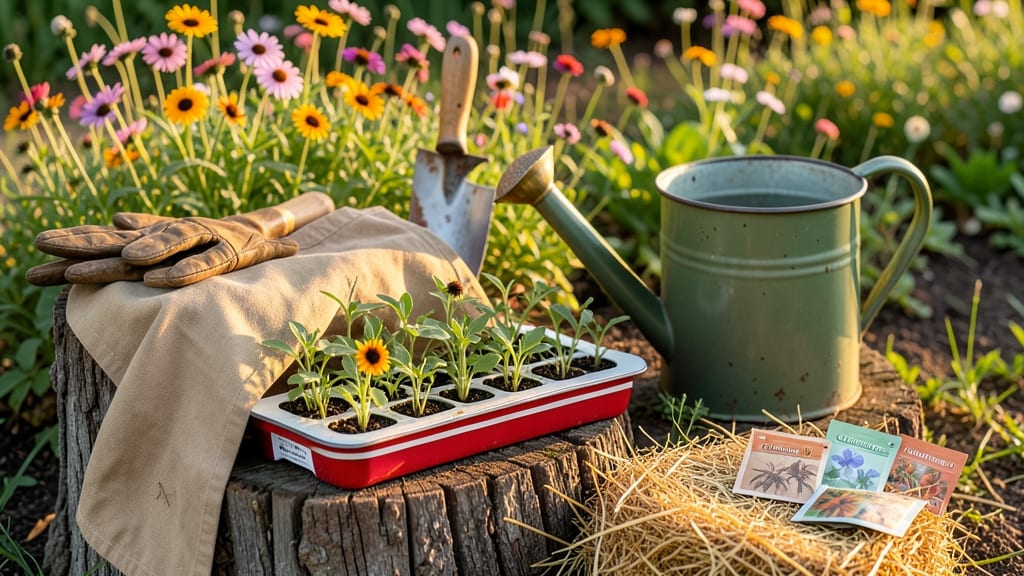
When to plant a garden in Colorado isn’t just about following a calendar—it’s about beating frost, embracing elevation shifts, and working with the land’s quirks. Plant too soon, and a late frost will turn your tender seedlings into sad, wilted snacks. Too late, and your tomatoes might never ripen before winter’s first chill.
With USDA zones 4-7 and elevations ranging from 2,500 to 10,000+ feet, Colorado’s planting windows vary wildly. That means what works in Denver’s Front Range won’t cut it on the Western Slope or high-altitude plains.
I’ll break down the exact frost-free deadlines you need to know, so you can plant with confidence—whether you’re a first-timer or a seasoned gardener.
From cool-season crops like spinach to heat-loving peppers, we’ll cover when to start seeds indoors, when to transplant, and how to stretch your growing season with simple tricks. No more guessing games—just a clear, region-specific roadmap to a bountiful harvest.
Ready to turn your backyard into a thriving garden? Let’s dive into the perfect planting schedule for your elevation zone—so you can enjoy fresh veggies and blooms without the stress.
Colorado’s frost-free planting zones by elevation: key deadlines for success
Colorado gardeners face unique challenges due to its dramatic elevation changes—from the Front Range’s 5,000–7,000 ft to the Western Slope’s 4,000–6,000 ft and high-altitude areas above 10,000 ft. These variations shift last frost dates by weeks, making timing critical for your garden’s success.
Understanding your elevation zone helps you avoid frost damage to tender seedlings or missed harvest windows for warm-season crops.
For example, Denver (Zone 5b) typically sees its last frost around May 15, while Grand Junction (Zone 6a) warms up by April 1. High-altitude areas like Aspen (Zone 4b) may not be frost-free until June 1.
These differences mean your planting schedule should adjust based on where you live in the state.
Key deadlines revolve around three critical periods: early spring (cool-season crops), late spring (warm-season starts), and fall (cool-season replants). Below, I’ve broken down the frost-free windows for Colorado’s most common elevation zones, including planting timelines for popular vegetables and flowers.
| Elevation Zone (ft) | Last Frost Date | First Frost Date | Early Spring Crops (Peas, Spinach, Lettuce) | Warm-Season Crops (Tomatoes, Peppers, Basil) | Fall Planting Window |
|---|---|---|---|---|---|
| 2,500–4,000 ft (Western Slope: Grand Junction, Fruita) | March 20–April 5 | October 20–November 5 | March 1–April 15 | April 15–May 10 | August 15–September 15 |
| 4,000–6,000 ft (Front Range: Denver, Colorado Springs) | April 15–May 1 | October 10–October 25 | March 15–April 30 | May 10–June 1 | August 1–September 10 |
| 6,000–8,000 ft (High Plains: Fort Collins, Boulder) | May 1–May 15 | September 20–October 5 | April 1–May 10 | May 15–June 10 | July 15–August 20 |
| 8,000–10,000+ ft (Mountain Towns: Aspen, Leadville) | June 1–June 15 | September 1–September 15 | May 1–June 1 | June 15–July 1 | July 1–July 15 |
For early spring crops like spinach, peas, and lettuce, timing is everything. In lower elevations like Grand Junction, you can start these as early as March 1, while Denver gardeners should wait until mid-April to avoid frost.
High-altitude areas like Aspen may not see safe planting until early June, so opt for cold-hardy varieties or use row covers to extend your season.
Warm-season plants like tomatoes, peppers, and
How to adjust planting times for Colorado’s microclimates and soil conditions
Colorado’s microclimates can turn a perfect planting schedule upside down. A Denver garden might thrive with early May plantings, while Aspen’s high-altitude gardens need to wait until June. The key is understanding how your elevation, soil type, and local frost patterns interact.
I’ve gardened in both the Front Range and Western Slope, and trust me—ignoring these factors means risking your entire harvest.
One of the biggest adjustments comes from shortened growing seasons at higher elevations. For example, Denver (5,280 ft) has about 120 frost-free days, while Aspen (7,800 ft) drops to just 80-90 days.
That means you’ll need to choose fast-maturing varieties or extend your season with protective measures. Let’s break down how to adapt your planting times like a pro.
- Use row covers or cold frames to plant 3-4 weeks earlier in spring or extend fall harvests by 2-3 weeks. These simple tools can add critical growing time in high-altitude zones.
- For dry climates, switch to drip irrigation and mulch heavily (3-4 inches) to retain moisture. This is non-negotiable for Western Slope gardens, where summer drought can kill plants in weeks.
- Choose early-maturing varieties (look for "early" or "fast" on seed packets). For example, ‘Early Girl’ tomatoes (55-60 days) work in Aspen, while ‘Brandywine’ (80+ days) won’t ripen.
- Adjust fall planting by monitoring first frost dates. In Denver, aim for August 15 for cool-season crops like kale, while Aspen gardens should wait until September 1.
- Test your soil moisture weekly. Colorado’s clay-heavy soils (common in Eastern Plains) dry out faster than sandy soils. Amend with compost to improve water retention.
Another game-changer is soil temperature. Even if your last frost date passes, cold soil can delay germination. Use a soil thermometer—most seeds need soil temps of 50°F (10°C) or warmer. In high-altitude gardens, this might mean waiting until mid-May even if frost risk drops earlier.
For high-value crops like peppers or eggplants, consider starting seeds indoors 8-10 weeks before your last frost date. This buys you extra time to transplant hardened-off seedlings when outdoor conditions are safer. I’ve had success with grow lights in my basement—just keep temps consistent to avoid leggy seedlings.
Don’t forget about wind exposure, especially in open areas. High winds dry out plants and stress young seedlings. If your garden is wind-prone, use windbreaks (like tall corn or evergreen shrubs) or plant in sheltered microclimates, such as near fences or buildings.
This can add 1-2 weeks of effective growing time.
Finally, track your local conditions year after year. Colorado’s weather is unpredictable—what worked last year might fail this year due to unusual frost dates or drought patterns. Keep a gardening journal to note adjustments, and don’t hesitate to plant backup seeds 2 weeks later if early plantings fail.
With these tweaks, you’ll turn Colorado’s challenges into a reliable harvest every season.