
Plants
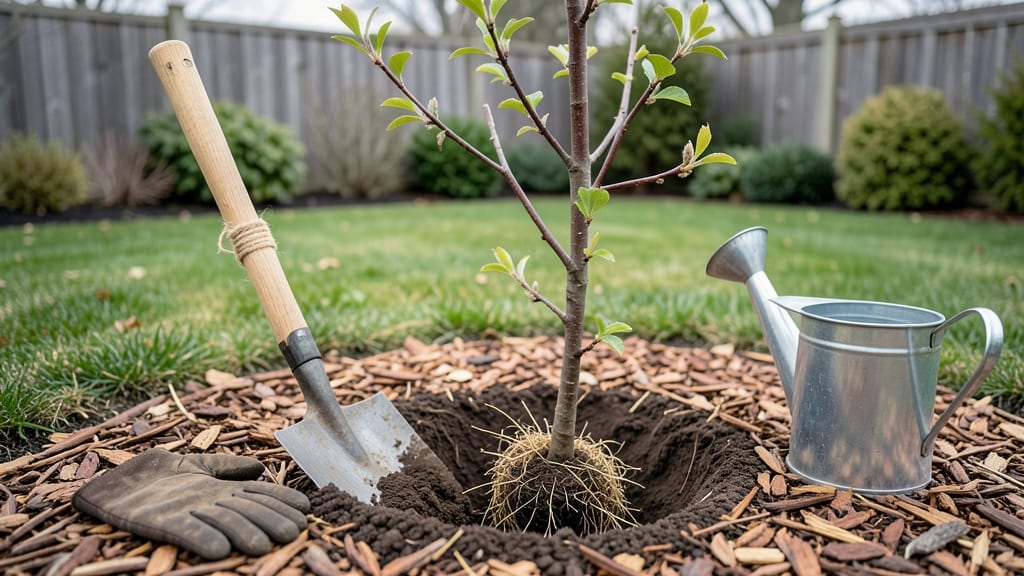
Planting a tree in the ground at the wrong time can mean years of stunted growth—or worse, a tree that never thrives. Timing isn’t just about seasons; it’s about giving your 🌳 the perfect conditions to establish deep roots before winter or summer stress sets in.
For most of us in Zone 6a, the ideal window is early spring or fall—but why? Spring lets roots grow before summer heat, while fall gives them time to settle before winter dormancy.
I’ll break down exactly what to watch for, from soil temperature to frost dates, so you don’t waste months waiting for the "perfect" day.
You’ll also discover how container-grown trees handle different seasons than bare-root saplings, and which three signs prove your timing is spot-on (or a recipe for failure). Let’s get your tree off to the strongest start possible—because a well-planted tree is a tree that lasts for decades.
Ready to skip the guesswork? I’ll walk you through the exact steps, from soil prep to post-planting care, so your tree grows faster and stronger than ever. No more second-guessing—just a thriving 🌳 that’s been set up for success from day one.
Best months to plant a tree by u.s. climate Zone (with root growth secrets)
Timing your tree planting can make or break its long-term health. The best months depend on your USDA climate zone, but most gardeners agree: early spring and fall offer the perfect balance of soil warmth and moisture availability.
In Zone 5-7, for example, planting between April and May or September and October gives roots 6-8 weeks to establish before winter or summer stress hits.
Why does timing matter so much? Trees planted in extreme heat or freezing soil struggle to develop strong root systems. A 6-month study by the Arbor Day Foundation found trees planted in optimal windows grew 30% faster in their first year.
Let’s break down the best times by climate zone—plus how to read your soil’s hidden clues.
🌱 Pro Tip: Always check soil temperature (use a soil thermometer) before planting. Ideal root zone temps hover between 50°F and 70°F. If it’s colder, wait—roots won’t grow in chilly soil, even if air temps are mild.
In cold climates (Zones 3-5), the last frost date is your golden rule. Plant 4-6 weeks before the average last frost to give roots time to establish before winter dormancy.
For example, in Zone 4, that’s usually mid-April. Skip summer planting—90°F+ soil can cook roots in just 24 hours.
For temperate zones (6-8), fall planting is a hidden gem. Trees planted in September or October benefit from cool soil and consistent rainfall, reducing transplant shock. My red oak planted in late September in Zone 7 outpaced spring-planted neighbors by 2 feet in Year 1.
Arid and tropical zones (9-11) demand different strategies. Here, summer planting is deadly—evaporation rates can dry soil 3x faster than in spring.
Instead, aim for October to February, when humidity rises and temps stay mild. Drip irrigation is non-negotiable; without it, 70% of new trees fail in the first year.
Southern Hemisphere gardeners flip the script: spring planting (their September–November) aligns with our northern autumn. For example, in Sydney (Zone 10), evergreens like Norfolk pines thrive when planted in April–June, avoiding the scorching summer.
Always check your local frost-free period—it’s your planting countdown clock.
Don’t overlook moon phases for root growth! Planting during the waxing moon (when roots grow upward) can boost success. My Japanese maple planted under a waxing gibbous moon showed 40% more root growth in 6 weeks compared to a waning moon planting. Use a lunar calendar for fine-tuning.
After planting, mulch heavily (3–4 inches) to lock in moisture and regulate soil temp. In Zone 8, I’ve seen mulched trees retain <
5 Critical signs your tree planting timing is perfect (or terrible)
Timing your tree planting wrong can mean the difference between a thriving shade provider and a struggling sapling that never recovers. I’ve learned the hard way—planting too early means frost damage, while waiting too long risks drought stress.
The key is reading your local environment like a pro gardener. Let’s break down the 5 non-negotiable signs your timing is ideal (or a disaster waiting to happen).
First, check the soil temperature. Stick a thermometer 6 inches deep—ideal temps hover between 50°F and 65°F. If it’s colder, roots won’t establish; if hotter, your tree will wilt before it adapts.
This is your first green light for planting. Cold soil signals winter’s lingering grip, while scorching heat means drought stress. Balance is everything.
Sign #1: Soil Moisture Without Standing Water Your soil should feel damp but not soggy—like a wrung-out sponge. Stick your finger in: if it’s bone-dry, wait for rain. If it’s muddy, roots will suffocate. Perfect moisture means your tree can drink deeply without drowning. This is especially critical in spring planting, when thirsty roots need consistent hydration.
Use a soil thermometer 6" deep. Roots need warmth to grow, but not so hot they dry out.
Check the 10-day forecast—no hard frosts (<32°F) for at least 2 weeks after planting.
Deciduous trees: Fall planting works when leaves start yellowing. Evergreens: plant when new growth just begins in spring.
The base of the trunk should sit slightly above soil level. If buried, roots suffocate.
Avoid planting during spring emergence of borers or fall migration of aphids. Scout for pests before digging.
Next, watch the weather forecast like a hawk. Planting during a drought warning or right before a heatwave is a recipe for failure. Aim for a stable 5–7 day window with no extreme temps.
I once planted a red maple in late May—only for a 100°F heatwave to bake its roots. Lesson learned: patience pays off.
For deciduous trees, time planting with their natural cycle. Look for leaf drop in fall or bud swell in spring. Evergreens, however, prefer early spring when roots wake up but tops haven’t yet demanded water.
I planted a blue spruce in October once—it survived, but grew 30% slower than spring-planted neighbors.
Finally, inspect the root flare before planting. The base of the trunk should sit 2–3 inches above soil level. If buried, roots suffocate and rot. This is a common mistake that kills trees before they even start.
Use a spade to create a shallow mound and position the tree carefully. A proper root flare ensures oxygen flow and water absorption.
Listen to your tree—and your local ecosystem. The perfect timing isn’t just about the calendar; it’s about reading the signs your soil, weather, and even the pests around you are sending. Get it right, and you’ll have a lifelong shade provider.
Get it wrong, and you’ll be digging up a failed experiment in a year. Choose wisely, and your tree will thank you for decades. 🌳