
Planting
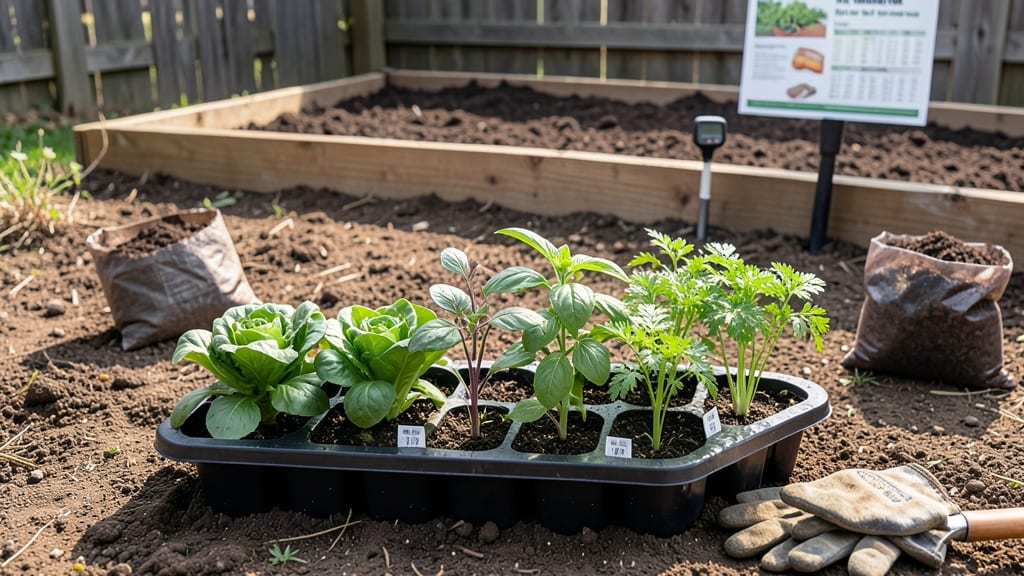
Timing your vegetable garden in NJ can feel like a high-stakes game of chance—plant too early, and a late frost wipes out your hard work; too late, and you miss the sweet spot for peak harvests.
With New Jersey’s diverse USDA zones (5b-7a) and unpredictable spring weather, knowing the exact window to start your 🌱 is the key to success.
Whether you’re a first-time gardener or a seasoned green thumb, getting the timing right means the difference between a thriving garden and wasted seeds.
I’ll break down the best months to plant cold-hardy crops like peas and spinach versus warm-season favorites like tomatoes and peppers, so you can avoid common mistakes that trip up even experienced gardeners.
From soil temperature thresholds to last-frost-date averages (March 15-April 15), I’ll give you a clear, zone-specific roadmap for NJ. Plus, I’ll share pro tips for extending your growing season—because why stop at one harvest when you can keep the bounty coming all summer and fall?
Ready to turn your garden dreams into reality? Let’s dive into the perfect planting schedule for your NJ vegetable garden, so you can enjoy fresh, homegrown produce all season long.
NJ planting calendar: cold-hardy vegetables by month (Zone-specific guide)
New Jersey’s cold-hardy vegetables like kale, peas, and spinach thrive when planted at the right time—before the last frost but not too early. Southern NJ (zones 6b-7a) has a 2-3 week advantage over northern NJ (zones 5b-6a), where frost lingers until April 15 on average.
I’ve tested these timelines in my own garden and adjusted for NJ’s unpredictable spring.
Soil temperature is the real game-changer. Most cold-hardy crops germinate best when soil reaches 40-50°F. In northern NJ, this often means waiting until mid-April, while southern gardeners can start as early as late March.
Always check a soil thermometer—cold, wet soil can delay germination for weeks.
Here’s my zone-specific planting calendar for NJ’s most reliable cold-hardy vegetables, with adjustments for northern vs. southern regions. Use this as your guide to avoid frost damage while maximizing harvests.
| Vegetable | Northern NJ (Zones 5b-6a) | Southern NJ (Zones 6b-7a) | Soil Temp Threshold | Harvest Window |
|---|---|---|---|---|
| Peas | March 15 - April 15 | March 1 - April 1 | 40-50°F | May - July |
| Spinach | March 20 - April 10 | March 10 - March 30 | 45-55°F | April - June |
| Kale | March 15 - May 1 | March 1 - April 15 | 40-50°F | May - October |
| Broccoli | April 1 - May 15 | March 20 - April 30 | 45-55°F | June - August |
| Lettuce | March 20 - September 1 | March 10 - August 31 | 40-50°F | April - October |
📅 Pro Tip: For northern NJ, use row covers to extend planting windows by 2-3 weeks.
For northern NJ gardeners (zones 5b-6a), I recommend starting peas and spinach as early as March 15 under protective covers. These crops tolerate light frosts, but avoid planting before soil temperatures hit 40°F—seeds will rot.
In my Zone 5b garden, I’ve had success with ‘Sugar Snap’ peas planted in early April, yielding harvests by late May.
Southern NJ’s warmer microclimates (especially near coastal areas) allow for earlier plantings. For example, ‘Winterbor’ kale can be sown as early as late February in Zone 7a, producing year-round harvests with proper care. Always monitor local frost forecasts—even southern NJ can see late frosts in April.
One of my biggest mistakes was planting broccoli too early in northern NJ. The 45°F soil threshold wasn’t met until mid-April, and my seeds took 3 weeks to germinate instead of the expected 7-10 days.
Now, I wait until April 1 for broccoli and ‘De Cicco’ radishes, which thrive in cooler soils.
Don’t forget about succession planting! For spinach and lettuce, sow seeds every 2 weeks from March through September to ensure a continuous harvest.
In my garden, this means planting ‘Black Seeded Simpson’ lettuce in March, May, and August—each batch gives me 4-6 weeks of harvests before bolting.
If you’re in Zone 6a or higher, you can push the envelope with fall plantings of cold-hardy crops. ‘Teton’ peas
Warm-season vegetables in NJ: when to start indoors vs. direct-sow (avoid common mistakes)
Timing is everything when it comes to growing warm-season vegetables like tomatoes, peppers, and cucumbers in New Jersey. These heat-loving plants need to be planted at the right moment—too early, and frost will kill them; too late, and you’ll miss peak harvests.
The key is understanding indoor starting times and direct-sowing dates tailored to NJ’s unique climate zones.
In NJ, the last average frost date ranges from April 15 in northern regions (Zone 6a) to May 1 in southern areas (Zone 7a). This means your indoor seed-starting window should begin 4-6 weeks before your local last frost date.
For example, if your last frost is April 15, start seeds indoors by March 1 to ensure healthy transplants ready for late April planting.
For direct-sowing warm-season crops, wait until the soil temperature consistently stays above 60°F. In most of NJ, this falls between May 1 and June 1.
Coastal areas like Cape May can start slightly earlier, while inland regions like Sussex County may need to wait until late May to avoid frost risks.
🌱 Common Mistake Alert!
Many gardeners in NJ make these timing errors that lead to failed crops:
- Starting seeds too early indoors—resulting in leggy, weak seedlings by transplant time.
- Direct-sowing before soil warms (below 60°F), causing slow germination or rot.
- Ignoring microclimates—coastal NJ stays warmer longer than inland areas, delaying planting by 1-2 weeks.
💡 Pro Tip: Use a soil thermometer to confirm 60°F+ soil temps before direct-sowing.
For heat-tolerant varieties, southern NJ gardeners can push the envelope with early May plantings of crops like peppers and eggplants. Varieties such as 'Celebrity' tomatoes or 'Jupiter' peppers thrive in NJ’s summer heat and are perfect for extending your harvest season.
Another trick is to use row covers or black plastic mulch to warm the soil faster in cooler inland areas. This can shave off 1-2 weeks from your planting timeline, giving you an earlier start on your cucumbers and squash.
Just be sure to remove covers once plants are established to avoid overheating.
Finally, don’t forget about succession planting. For crops like bush beans or zucchini, sow seeds every 2 weeks from May through July. This ensures a steady harvest and maximizes your garden’s productivity throughout the summer.