
Plants
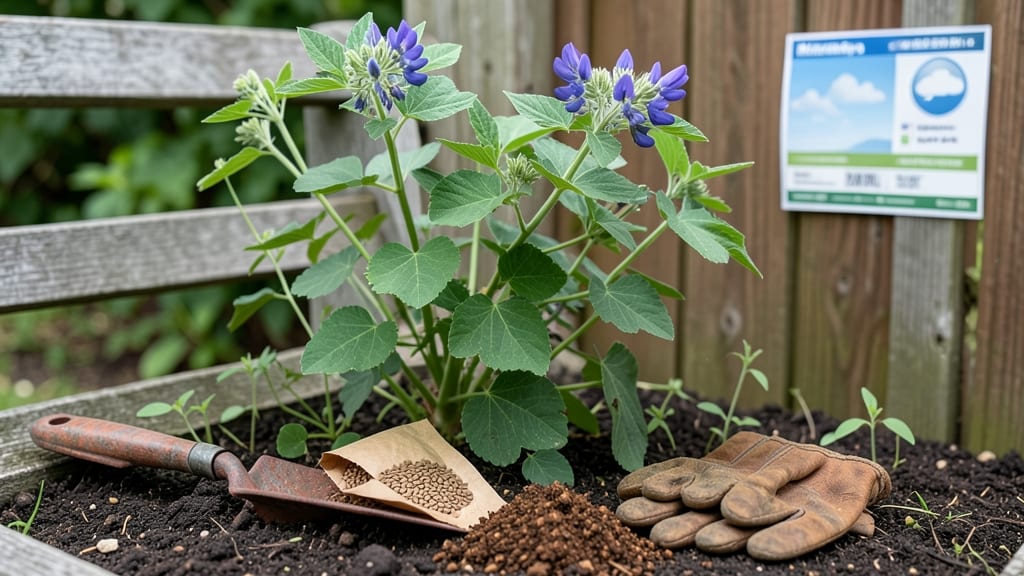
Planting alfalfa in Kentucky at the wrong time could mean struggling with weak stands or stunted growth—especially when you’re aiming for that deep root system and lush forage.
The key to success lies in timing it right, when soil temperatures hit that sweet spot between 50°F and 60°F, and the last frost has passed for good.
For Kentucky gardeners in zones 6a-7b, early spring—typically March to April—is your best bet. This window gives alfalfa (🌱) the head start it needs to establish strong roots before summer’s heat sets in.
But don’t overlook late summer as a secondary option if you’re willing to put in a little extra effort.
Why does timing matter so much? Because alfalfa is a perennial powerhouse, and getting it right the first time means fewer headaches down the road. Whether you’re planting for hay, forage, or soil improvement, this guide will help you avoid common pitfalls and maximize your yield.
Let’s break down the ideal months, soil prep tips, and how to adjust for Kentucky’s unpredictable weather—so you can grow alfalfa like a pro.
Best planting months for alfalfa in Kentucky: climate-based guide
Kentucky’s USDA zones 6a-7b create a delicate balance for growing alfalfa (Medicago sativa). The ideal soil temperature for germination is between 50-60°F, which typically aligns with early spring or late summer planting windows.
In my experience, timing is everything—plant too early, and frost can damage tender seedlings; too late, and summer heat stresses young plants before they establish roots.
Northern Kentucky (zones 6a) has earlier frost dates (last frost around April 15) compared to southern Kentucky (zones 7b), where the window extends until May 1. This regional variation means you’ll need to adjust your planting schedule based on your specific location within the state.
For most gardeners, March through April offers the safest bet for spring planting.
| Planting Window | Best Months | Soil Temp (°F) | Frost Risk | Regional Notes |
|---|---|---|---|---|
| Spring Planting | March - April | 50-60°F | Low (after last frost) | Northern KY: Start by March 15; Southern KY: April 1 |
| Late Summer Planting | August - Early September | 60-70°F | Moderate (early frost) | Best for southern KY; Northern KY may need frost protection |
| Fall Planting (Risky) | September - October | 55-65°F | High (first frost) | Only for experienced gardeners with frost protection |
For spring planting, aim to sow seeds 2-3 weeks before your last frost date. In most of Kentucky, this means early March in southern regions and mid-March in northern areas.
The key is ensuring the soil has warmed enough to prevent seed rot while avoiding late frosts that can kill young seedlings. I’ve found that covering seeds with row fabric for the first 2 weeks adds an extra layer of protection.
If you prefer late summer planting, focus on August through early September when soil temperatures remain warm but daytime highs start cooling. This method works particularly well in southern Kentucky, where the growing season extends longer.
However, northern gardeners should plant no later than August 15 to allow sufficient time for root establishment before the first frost in mid-October.
One common mistake I see is planting alfalfa in late spring (May-June). While the weather may seem ideal, the intense summer heat can cause seedlings to dry out quickly, especially in Kentucky’s clay-heavy soils that bake under the sun.
To mitigate this, always mulch heavily with straw or wood chips to retain moisture and regulate soil temperature.
For gardeners in transition zones (like the Bluegrass Region), consider staggered planting: sow half your seeds in early April and the remainder in late August. This approach spreads out your harvest window and reduces the risk of total crop failure from unpredictable weather.
Just remember that alfalfa is a perennial, so once established, it will return year after year with proper care.
If you’re experimenting with fall planting, proceed with caution. While some gardeners in southern Kentucky’s zone 7b succeed with September plantings, most of the state faces too high a frost risk.
If you attempt it, use row covers or cold frames until plants reach at least 6 inches tall to ensure they survive the first frost. I’ve had limited success with this method, but it can work with careful monitoring.
Regardless of when you plant, always test your soil pH (aim for 6.5-7.0) and amend with compost before sowing. Alfalfa is nitrogen-fixing, meaning it improves soil fertility over time, but it needs the right conditions to thrive from the start.
In my trials, seeds planted in well-prepared soil germinate 2-3 weeks faster than those in untreated ground.
Finally, keep an eye on your local weather forecasts in the weeks leading up to planting. A 5-day stretch of rain can delay planting, while a heatwave above 90°F may require temporary shade for young seedlings.
Flexibility is key—adjust your timeline as needed to give your alfalfa the best possible start in Kentucky’s variable climate. 🌱
How Kentucky’s soil and weather affect alfalfa planting success
Kentucky’s clay-heavy soils and variable weather patterns can turn your alfalfa dreams into disappointments if you’re not prepared. The pH balance of 6.5-7.0 is critical—too acidic or alkaline, and your plants struggle to absorb nutrients, leading to stunted growth.
Meanwhile, late spring frosts or sudden summer heatwaves can derail even the best-laid planting plans. Understanding these challenges is the first step to a thriving alfalfa field.
One of the biggest hurdles in Kentucky is poor drainage in many regions. Clay soils hold moisture like a sponge, often leading to waterlogged roots that suffocate alfalfa seedlings.
If your soil feels compacted or sits in water after rain, you’ll need to amend it with organic matter like compost or sand before planting. This isn’t just about survival—it’s about unlocking that deep root growth alfalfa is famous for.
⚠️ callout-warning ⚠️
⚠️ Late Planting Risks in Kentucky
Planting alfalfa after May 15 increases your risk of summer heat stress and poor stand establishment. Kentucky’s USDA zones 6-7 mean late frosts can linger into April, while sudden 90°F+ temperatures in June can scorch young seedlings. Fall plantings (August-September) are risky too—seedlings may not establish before first frost in October.
Action Tip: Test soil 4-6 weeks before planting and monitor 7-day weather forecasts for heatwaves or rain delays.
Your soil pH is non-negotiable for alfalfa success. Kentucky’s natural soils often lean slightly acidic, but alfalfa thrives in a neutral range of 6.5-7.0. If your test results show pH below 6.0, you’ll need to lime your soil 2-3 months before planting.
For every 0.1 pH point below 6.5, apply 20-50 lbs of lime per 100 sq ft—but don’t overdo it, or you’ll lock out nutrients. A simple soil test kit (available at local ag extensions) is your best friend here.
Kentucky’s unpredictable rainfall can also throw off your planting timeline. While alfalfa needs consistent moisture during germination, too much rain can wash away seeds or create waterlogged conditions. If you’re planting in clay-heavy areas, consider raised beds or tilled rows to improve drainage.
And if a 5-day rain forecast pops up, delay planting until the ground dries—alfalfa seeds won’t germinate in soggy soil.
Don’t underestimate the power of microclimates in Kentucky. Northern counties like Henderson or Carlisle often see later last frosts (mid-April), while southern regions like Bowling Green can hit 80°F by March. Use local frost date maps from the Kentucky Climate Center to adjust your planting window.
If you’re in doubt, err on the early side—alfalfa planted in late February can establish roots before summer heat arrives.
Finally, sudden heatwaves are Kentucky’s silent crop killer. Alfalfa seedlings can’t handle temperatures above 85°F for extended periods. If you’re planting in late April or May, keep an eye on heat advisories and be ready to shade young plants with agricultural fabric if a heatwave hits.
A little preparation now means healthier stands and higher yields down the road.