
Plants
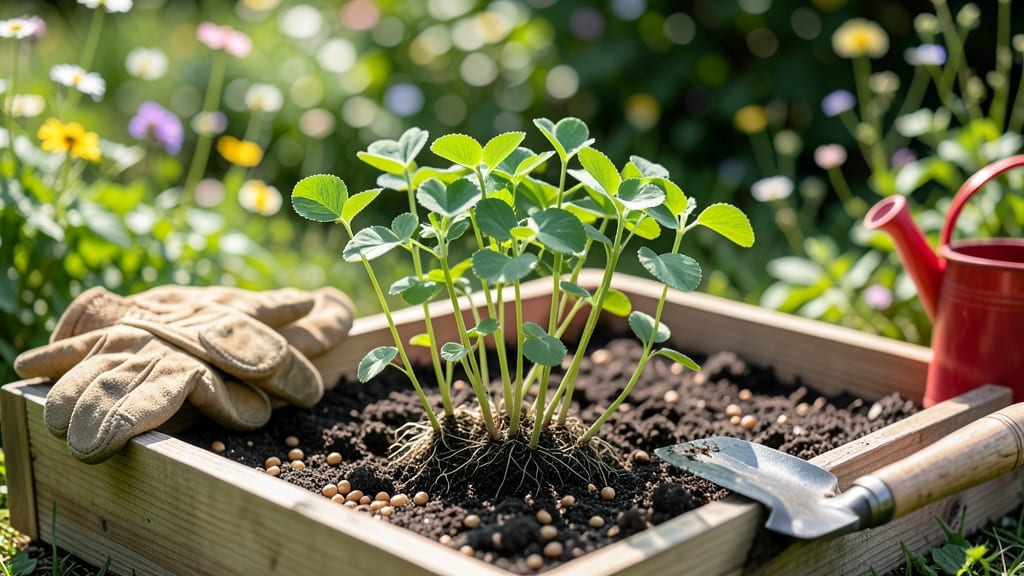
Timing your alfalfa planting just right in spring can make all the difference between a lush, productive crop and a frustrating waste of effort. This hardy 🌱 plant thrives when sown after the last frost—typically in early to mid-spring—but getting the details right ensures strong germination and healthy growth.
The key is understanding your local climate and soil conditions. In USDA Zone 6a, where frost usually lingers until mid-April, waiting until the soil warms to 50–60°F is crucial. Planting too early risks frost damage, while waiting too long can lead to stunted growth or even failure.
Don’t worry if you’re unsure about exact dates—this guide breaks down the science behind the perfect planting window. You’ll learn how to check soil readiness, avoid common mistakes, and adjust for regional differences, whether you’re in a cooler northern state or a warmer southern climate.
By the end, you’ll know exactly when to plant alfalfa in your area, how to prepare your soil, and what to watch for as your crop takes off. Let’s get started!
Ideal soil temperature and frost-free window for planting alfalfa
Alfalfa thrives when planted in spring, but getting the timing right depends on two critical factors: soil temperature and your local frost-free window. Unlike many plants, alfalfa seeds need consistent warmth to germinate—too cold, and they’ll rot; too late, and you risk stunted growth before harvest.
I’ve planted alfalfa in USDA zones 3-10 and learned that even a 5°F difference in soil temp can delay germination by weeks. Let’s break down the science so you can plant with confidence.
The sweet spot for alfalfa germination is 50-60°F soil temperature. Below 50°F, seeds struggle to sprout, while above 60°F, they may germinate too quickly and become vulnerable to disease.
I use a soil thermometer to check temps at 4-inch depth—this is where alfalfa roots will first establish. In my Zone 6a garden, soil hits 50°F around mid-April, but I wait until late April when temps stabilize at 55°F for reliable germination.
Your frost-free date is the other half of the equation. Alfalfa seedlings are frost-sensitive once they emerge, so planting too early risks damage.
I calculate my frost-free window by adding 2-3 weeks to my last spring frost date (April 15 in Zone 6a) to ensure seedlings have time to harden off.
For example, in Zone 4, where frosts linger until May 10, I plant no earlier than May 1 to avoid cold snaps. Use the USDA Plant Hardiness Zone Map to find your local frost dates and adjust accordingly.
| Factor | Ideal Range | Actionable Tip |
|---|---|---|
| Soil Temperature | 50–60°F | Use a soil thermometer at 4" depth; wait until temps stabilize. |
| Frost-Free Window | 2–3 weeks after last frost | Check USDA Zone Map; plant after seedlings can tolerate nighttime temps above 40°F. |
| USDA Zones 3–5 | Late April–May | Wait until soil warms to 55°F; use row covers for early starts. |
| USDA Zones 6–8 | Early April–May | Plant in April for harvests by summer; avoid late May plantings. |
| USDA Zones 9–10 | February–March | Sow early to escape summer heat; mulch to retain moisture. |
| Seed Depth | 1/4 inch | Lightly cover seeds; deeper planting reduces germination rates. |
If you’re in a warmer climate (Zones 9–10), you can plant alfalfa as early as February, but I recommend sowing in March to avoid summer heat stress.
In these zones, alfalfa’s dormancy period is shorter, so timing is less critical—but don’t wait until April, or you’ll miss the first harvest window. I’ve seen alfalfa planted in Southern California in February thrive, while April plantings often struggle with heat exhaustion before reaching maturity.
For cooler climates (Zones 3–5), patience is key. I’ve had alfalfa seeds planted in early April rot in the soil because temps hovered around 45°F. Instead, aim for late April to early May when soil temps consistently reach 55°F.
A trick I use is to plant in raised beds, which warm up 2–3 days faster than in-ground soil. If you’re worried about late frosts, opt for early-maturing varieties like ‘Moapa’ or ‘Ladak’—they’ll reach harvest size before summer heat sets in.
One common mistake I see is planting alfalfa too late in spring. By June, soil temps often exceed 70°F, which can cause seeds to germinate too quickly and then bolt (flower prematurely). This ruins the forage quality.
To avoid this, I always plant by May 15 in my Zone 6a garden and adjust for my region. If you miss the spring window, consider fall planting in Zones 6–10, but this requires careful timing to ensure seeds germinate before winter dormancy.
To test if your soil is ready, perform the finger test: Stick your finger 4 inches deep—if the soil feels like a wrung-out sponge (moist but not soggy) and warms your hand, it’s time to plant.
I also check for soil microbes by looking for earthworms; their presence means the soil is active and primed for germination. If
Signs your soil is ready for alfalfa (and common mistakes to avoid)
Alfalfa thrives when planted in soil that’s warm, well-draining, and rich in organic matter. The right conditions ensure fast germination and strong root development. Look for dark brown or black soil that crumbles easily when squeezed—this signals optimal moisture and nutrient levels.
If your soil feels clay-heavy or rock-hard, amending it with compost or sand will improve its structure before planting.
Another key indicator is soil temperature. Use a soil thermometer to confirm it’s reached 50–60°F at least 2 inches deep. Alfalfa seeds won’t sprout reliably in colder soil, so wait until late spring when daytime temperatures consistently stay above 60°F.
In cooler climates, this might mean planting in May or early June rather than April.
🔍 Pro Tip: Press your finger into the soil—if it holds its shape but isn’t soggy, it’s perfect for alfalfa. Overly wet soil can suffocate seeds, while dry soil will cause them to shrivel before sprouting.
⚠️ 3 Critical Mistakes That Kill Alfalfa Seedlings
1. Planting Too Early: Seeds rotting in cold, wet soil is a common killer. Wait until all frost risk has passed—check your local last-frost date or monitor soil temps.
2. Over-Fertilizing: Alfalfa fixes its own nitrogen, so excess fertilizer (especially high-nitrogen) burns roots. Stick to balanced 10-20-10 at planting only.
3. Skipping Soil Prep: Alfalfa hates compacted soil. Loosen the top 6 inches with a broadfork or tiller to prevent poor drainage and stunted growth.
Now that your soil is ready, focus on seed depth—alfalfa seeds need only ¼ inch of coverage. Plant them 2–3 inches apart in rows spaced 12–18 inches apart to allow airflow and reduce disease risk.
Avoid planting in areas where legumes (like peas or beans) grew recently, as soil-borne pathogens may linger.
After planting, keep the soil consistently moist but not waterlogged. Use a light mulch (like straw) to retain moisture and suppress weeds, but avoid thick layers that can smother seedlings. Water gently in the morning to prevent fungal diseases that thrive in damp evening conditions.
Watch for emerging seedlings in 7–14 days. If germination is slow, check for uneven moisture or poor seed-to-soil contact. Thin seedlings to 6 inches apart once they’re 2 inches tall to ensure each plant gets enough nutrients and sunlight.
🌱 Remember: Alfalfa is a perennial with deep roots, so prioritize soil health now for years of harvests. Avoid tilling after planting to protect those delicate roots!