
Plants
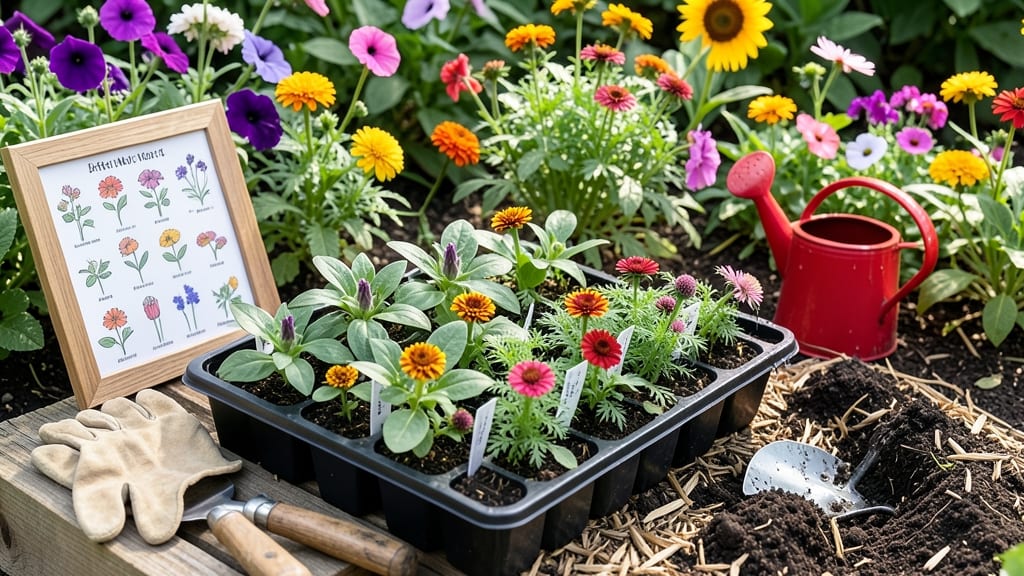
Timing your annuals planting in Colorado can make or break your garden—get it wrong, and you’ll either watch frost nip your blooms or struggle with heat-stressed seedlings.
The 5-7 USDA zones here mean your Front Range neighbors might plant 2 weeks earlier than those on the Western Slope, so knowing the exact window is everything.
Most gardeners wait until after the last frost (typically mid-April to May), but that’s just the start. Whether you’re growing heat-loving zinnias or cool-season snapdragons, the key is matching your elevation to the right varieties—and knowing when to start seeds indoors vs. direct-sowing outdoors.
Here’s what you’ll discover: the precise frost dates by zone, which annuals thrive in Colorado’s short growing season, and pro tips to extend your planting windows without risking frost damage. Let’s get those 🌸 annuals in the ground at the perfect moment.
From soil prep to post-planting care, I’ll walk you through every step to ensure your garden bursts with color from spring through fall—no guesswork, just results.
Colorado’s frost dates by elevation zone: when to plant annuals safely
Colorado’s elevation zones range from 2,400 feet in the San Luis Valley to over 12,000 feet in the Rocky Mountains, creating dramatic differences in frost timing.
Planting annuals too early risks frost damage, while waiting too late shortens the growing season. Understanding your elevation zone and microclimate is key to successful gardening.
Most Colorado gardeners fall into USDA Zones 5-7, but frost dates shift dramatically with elevation. For example, Denver (5,280 ft) averages its last frost around April 25, while Aspen (7,800 ft) may not see its last frost until June 10.
These differences mean heat-tolerant annuals like zinnias thrive in lowlands, while cool-season varieties like snapdragons suit high-altitude gardens.
Urban vs. rural microclimates also matter. Cities like Colorado Springs (6,000 ft) experience urban heat islands, delaying frost by 1-2 weeks compared to rural areas. Always check local weather records or use the National Weather Service’s frost calendar for precise timing.
| Elevation Zone (ft) | Avg Last Frost | Avg First Frost | Frost-Free Days | Best Planting Window | Heat-Tolerant Annuals | Cool-Season Annuals |
|---|---|---|---|---|---|---|
| 2,400–4,000 ft (San Luis Valley) | April 10–15 | October 20–25 | 190–200 | April 20–May 10 | Marigolds, Zinnias, Sunflowers | Lettuce, Spinach, Kale |
| 4,000–6,000 ft (Front Range) | April 20–May 5 | October 5–15 | 160–170 | May 1–15 | Petunias, Geraniums, Cosmos | Pansies, Snapdragons, Stock |
| 6,000–8,000 ft (Mountain Foothills) | May 10–20 | September 15–25 | 120–130 | May 20–June 5 | Lantana, Verbena, Portulaca | Sweet Alyssum, Calendula |
| 8,000–10,000 ft (High Mountains) | June 1–10 | September 5–15 | 90–100 | June 15–July 1 | None (too short season) | Primula, Sweet Peas, Lobelia |
| 10,000–12,000 ft (Alpine) | July 1–10 |
Best annual flowers and vegetables for Colorado’s short growing seasonsColorado’s short growing season demands smart choices—annuals that thrive in cool mornings and hot afternoons while avoiding frost. The key? Matching your elevation zone to the right plants. Lowland gardens (like Denver) can handle heat-loving petunias, while high-country gardens (above 8,000 ft) need cold-hardy snapdragons that tolerate chilly nights. Timing is everything: Spring plantings should happen after your last frost date (April–May for most areas), while fall annuals go in 4–6 weeks before the first frost (August–September). Succession planting—staggering seeds every 2 weeks—keeps your garden blooming all season long, even in Colorado’s 120–160 frost-free days. 🌱 Numbered Highlights: Planting Windows by Elevation
For vegetable annuals, prioritize fast-maturing varieties like bush beans (50 days) or radishes (25 days). These outpace Colorado’s short season, while tomatoes and peppers need longer heat—start them indoors by March 1 and transplant after May 15. Pro tip: Succession plant every 2 weeks for continuous harvests. For example, sow lettuce every 10 days from April to July to avoid bolting. In fall, kale and spinach actually sweeten with frost, so plant them by August 15 for a winter harvest. Don’t forget soil prep: Amend beds with compost in early spring to retain moisture, and use mulch to keep roots cool. In high-altitude gardens, black plastic mulch warms soil faster, helping tender annuals like geraniums establish quicker. With these zone-specific annuals and timing tricks, your Colorado garden will burst with color from May through October—no matter your elevation. Happy planting! 🌻 |