
Plants
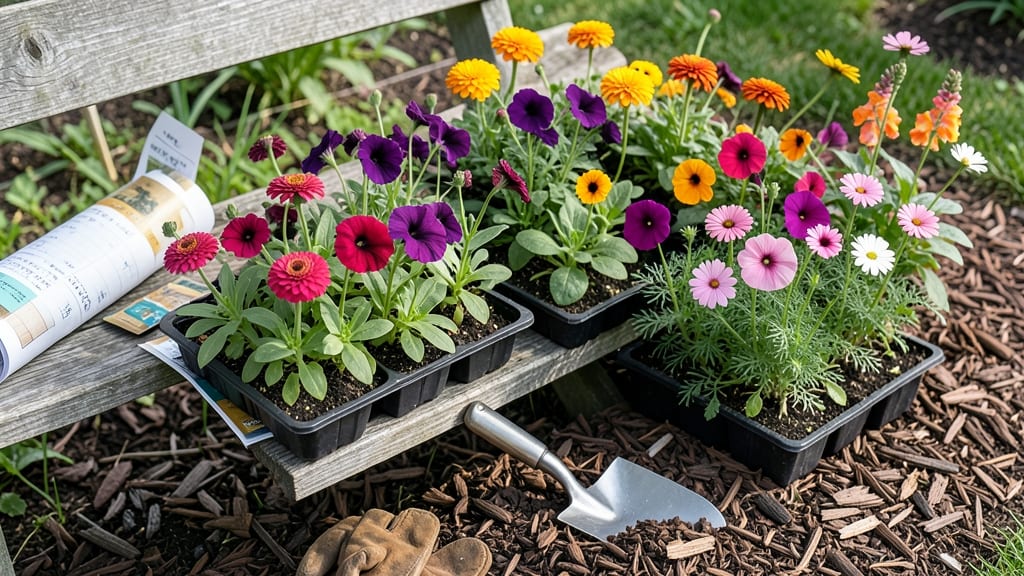
Planting your 🌸 annuals at the wrong time in Michigan can mean the difference between a vibrant garden and a sad, frost-bitten mess. The key isn’t just waiting for spring—it’s knowing when to act in your specific zone, whether you’re in Detroit’s 6a or the Upper Peninsula’s 4b.
Most gardeners in Michigan’s 5b-6b zones wait until after the last frost—typically April 15 to May 15—but timing varies wildly by region. Plant too early, and a late frost could wipe out your seedlings. Too late, and you might miss peak blooms or harvests entirely.
I’ll break down the exact windows for spring, summer, and fall planting, plus pro tips to extend your growing season without risking frost damage. Whether you’re sowing marigolds or snap peas, this guide keeps your garden thriving from April through October.
Ready to avoid the common mistakes? Let’s dive into the zone-specific deadlines that’ll make your annuals flourish—no guesswork required.
Michigan planting zones & last frost dates by region (2024 guide)
Michigan spans USDA Hardiness Zones 4b through 6a, meaning frost dates vary dramatically from the Upper Peninsula (UP) to Detroit and Grand Rapids. Understanding your exact zone helps you time annual plantings to avoid frost damage while maximizing bloom seasons.
For example, Zone 4b areas like Marquette face later last frosts (May 15–June 1) compared to Zone 6a in Southfield (April 15–May 1).
Last frost dates aren’t set in stone—historical data shows 3–5 days of variation yearly. The Michigan State University Extension tracks trends, but your microclimate (e.g., urban heat islands in Detroit or lake-effect cooling near Traverse City) can shift dates by 1–2 weeks.
Always monitor local forecasts and use frost cloth for a buffer.
Here’s how to navigate Michigan’s frost timeline with confidence:
| Region | USDA Zone | Avg. Last Frost | Avg. First Frost | Frost-Free Days | Plant Annuals After |
|---|---|---|---|---|---|
| Detroit Metro | 6a | April 20–May 5 | October 15–25 | 160–180 | May 10–15 |
| Grand Rapids | 6a | April 25–May 10 | October 10–20 | 150–170 | May 15–20 |
| Lansing | 5b | May 1–10 | October 5–15 | 145–165 | May 20–25 |
| Traverse City | 5b | May 5–15 | September 25–October 5 | 130–150 | May 25–June 1 |
| Upper Peninsula (Marquette) | 4b | May 15–June 1 | September 15–25 | 110–130 | June 5–10 |
Note: Microclimates (e.g., slopes, urban areas) can shift dates by ±7 days.
For Detroit and Grand Rapids (Zone 6a), aim to plant cool-season annuals like pansies and lettuce by April 1 under frost cloth, then transition to heat-lovers like zinnias and basil after May 15.
In the Upper Peninsula (Zone 4b), wait until June 1 for most annuals—earlier plantings risk late spring frosts that can kill tender seedlings.
Pro tip: Use succession planting to stretch your season. For example, sow bush beans every 2 weeks from June to July in Zone 6a to ensure a steady harvest before the first frost.
In Zone 5b, focus on fall-blooming annuals like cosmos and snapdragons, planting them by July 15 for autumn color.
Always check soil temperatures—most annuals thrive when soil reaches 50°F+. Use a soil thermometer to confirm readiness, especially in northern Michigan, where cold soils delay germination. Pair this with a local frost calendar (like the Michigan Garden Guide) for real-time adjustments.
Don’t forget microclimates: A south-facing wall can add 1–2 weeks to your frost-free window, while low-lying areas may frost 5–7 days earlier. Test your garden’s frost pockets by placing frost-sensitive plants (like geraniums) in suspect spots—if they survive, you’ve found a safe zone for earlier plantings.
For fall plantings, use the "50-day rule": Count back 50 days from your first frost date to determine the last safe sowing window. In Detroit (Zone 6a), that’s August 15–September 1
Best annuals to plant by Michigan’s frost timeline (heat-tolerant vs. cool-season picks)
Michigan’s cool-season annuals and heat-tolerant varieties thrive on precise timing—plant too early, and a late frost will kill tender seedlings; too late, and you’ll miss peak blooms or harvests.
The secret? Matching your annuals to Michigan’s frost-free windows, which typically run from April 15 to October 15 in most zones.
I’ve divided the best performers into two categories: cool-season champions that handle light frosts and heat-loving stars that need warm soil to thrive. Whether you’re in Detroit’s Zone 6a or the Upper Peninsula’s Zone 4b, these picks ensure vibrant blooms and bountiful harvests—no frost-related disappointments included.
🌱 Cool-Season Annuals (Plant Early)
- Pansies & Violas – March 15-April 15 (tolerate light frosts down to 20°F)
- Lettuce & Spinach – April 1-May 15 (sow seeds directly; avoid bolting)
- Snap Peas – April 15-May 1 (plant after soil warms to 45°F)
- Calendula – April 15-May 10 (edible petals; thrives in 50°F+)
☀️ Heat-Tolerant Annuals (Plant After Last Frost)
- Marigolds – May 15-June 1 (repel pests; need 6+ hours sun)
- Basil – May 20-June 10 (wait until soil hits 60°F+)
- Zinnias – May 15-June 15 (drought-tolerant; bloom all summer)
- Sweet Potatoes – June 1-June 15 (slips need 80°F+ soil)
⏰ Pro Tip: Use frost cloth to extend cool-season windows by 2-3 weeks.
For cool-season annuals, I recommend starting seeds indoors 6-8 weeks before your last frost date—especially for lettuce and spinach, which bolt in heat.
Harden off seedlings for 7-10 days before transplanting to avoid shock. Pansies are my go-to for early color; they’ll bloom until fall frosts and even survive light freezes.
Heat-tolerant annuals like marigolds and zinnias demand patience—wait until soil temperatures hit 60°F+ to avoid stunted growth. Basil is particularly finicky; if planted too early, it’ll wilt from cold soil. I swear by black plastic mulch to warm the soil faster in cooler zones like Traverse City (Zone 5b).
Don’t overlook fall planting! Many heat-lovers, like cosmos and sunflowers, thrive when sown in July-August. These late bloomers extend your season until first frost (mid-October), giving you 6+ weeks of extra color. Just avoid planting after August 15—seedlings won’t mature before winter.
To maximize success, I pair cool-season veggies (like kale) with heat-tolerant flowers (like nasturtiums) in the same beds. The flowers deter pests while the veggies provide shade for tender roots. Succession planting is another game-changer: sow lettuce every 2 weeks from April to July for continuous harvests.