
Plants
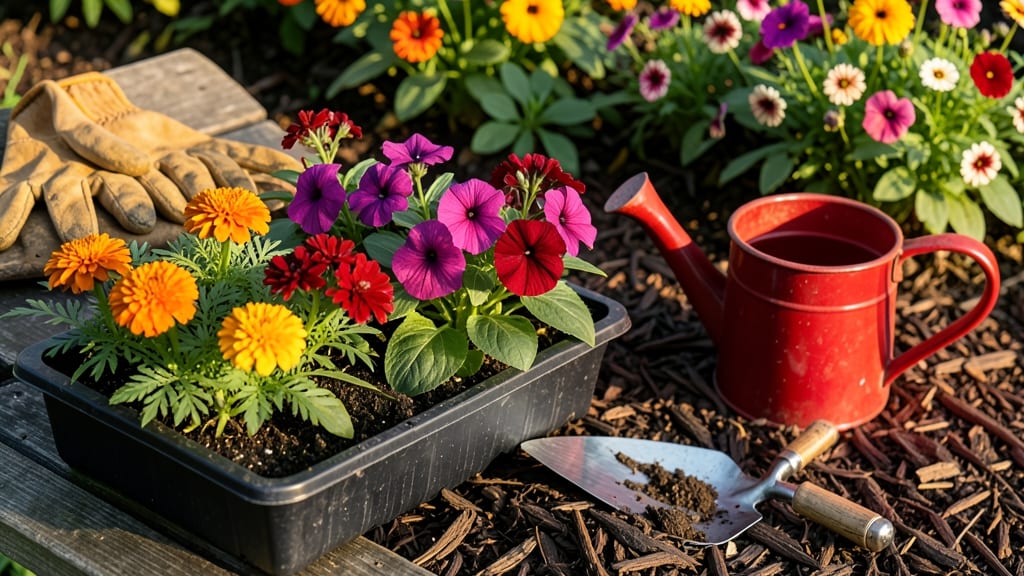
Planting annuals in Wisconsin at the wrong time can mean watching your garden dreams melt away with the first frost—and nobody wants that.
The key to vibrant blooms and bountiful veggies lies in timing it just right, when the soil is warm enough and the last frost has finally passed for good.
I’ve learned the hard way that Wisconsin’s unpredictable spring weather demands patience and strategy. Whether you’re growing sunflowers 🌱 or marigolds, getting the timing right means the difference between a thriving garden and a sad, half-frozen experiment. Let’s break down exactly when to plant for your specific hardiness zone.
Most Wisconsin gardeners fall into zones 4b-5a, where frost can linger until late May or even June in some areas. That’s why knowing your exact last-frost date—and planning ahead—isn’t just helpful, it’s essential. I’ll show you how to work with your local climate to maximize your growing season.
From cool-season favorites like lettuce to heat-loving tomatoes, each plant has its own ideal window. By the end, you’ll know exactly when to start seeds indoors, when to transplant seedlings, and how to protect your garden from late surprises. Ready to turn your Wisconsin garden into a year-round success?
Wisconsin’s annual planting calendar by hardiness Zone (5-6a)
Wisconsin’s USDA Hardiness Zones 5-6a bring short but sweet growing seasons, where timing your annual plants right means the difference between a lush garden and a frost-kissed disappointment.
The average last frost dates vary—typically May 1-15 in Zone 5 and April 15-May 1 in Zone 6a—but soil temperature is just as critical. Wait until soil reaches 50°F (10°C) for most annuals to ensure strong root development.
In Zone 5, gardeners often face a longer frost window, while Zone 6a enjoys slightly earlier starts. Cool-season crops like lettuce and peas can go in as early as late March under frost cloth, but warm-season favorites (tomatoes, peppers) need to wait until after May 15 to avoid frost damage. Herbs like basil are particularly sensitive—plant them only after all danger of frost has passed.
Here’s your month-by-month planting guide, tailored to Wisconsin’s frost-free averages and soil temperature thresholds. Use this as your roadmap to maximize blooms and harvests before the first fall frost (typically October 1-15).
Pro Tip: Check the Wisconsin State Climatology Office for your local last-frost date—it can vary by 1-2 weeks even within the same zone. Adjust your planting schedule accordingly to avoid late-spring surprises.
🌱
| Month | Plant Type | Soil Temp Threshold | Last Frost Risk | Notes |
|---|---|---|---|---|
| Late March | Cool-season veggies (peas, spinach, lettuce) | 40-45°F (4-7°C) | High (use frost cloth) | Start indoors or under cover |
| Early April | Pansies, snapdragons, hardy herbs (parsley, cilantro) | 45-50°F (7-10°C) | Moderate (watch forecasts) | Direct sow after last light frost |
| Mid-April | Calendula, nasturtiums, radishes | 50°F (10°C) | Low (if soil is warm) | Ideal for Zone 6a |
| Late April | Marigolds, zinnias, beans, carrots | 55°F (13°C) | Very low (Zone 6a) | Zone 5: Wait until early May |
| May 1-15 | Tomatoes, peppers, basil, sunflowers | 60°F (16°C) | None (after last frost) | Use black plastic mulch for warmth |
| June-August | Cosmos, zinnias, okra, sweet potatoes | 65°F+ (18°C+) | None (summer heat) | Succession plant every 2 weeks |
How to time planting for Wisconsin’s unpredictable frost patternsWisconsin’s unpredictable frost dates can make planting annuals feel like a high-stakes game of chance. Even experienced gardeners here know that a late frost in May or an early one in September can wipe out tender plants overnight. The key to success? Flexible timing strategies that account for Wisconsin’s USDA Zones 4b-5b and the state’s notorious variable frost patterns. Instead of relying solely on calendar dates, I focus on soil temperature and microclimate conditions. For example, southern Wisconsin (Zone 5b) might see its last frost by May 10th, while northern areas (Zone 4b) can experience frost until May 25th. That’s a 15-day difference—enough to ruin a whole planting cycle if you’re not prepared. Here’s the critical insight: Wisconsin’s frost-free season averages just 140-180 days. To maximize your growing window, you’ll need to use season-extending tools and choose frost-tolerant annuals that can handle light freezes. This approach lets you push your planting dates earlier and keep blooms going later into fall. ⚠️ Wisconsin Frost WarningNever plant warm-season annuals (like marigolds or petunias) before your average last frost date, even if nights are above freezing. A 28°F frost can kill these plants in hours. Use frost cloth or wait until soil stays above 55°F for 7+ days. One of my favorite frost-mitigation tools is a cold frame, which can add 2-4 weeks to your growing season. I’ve successfully grown cosmos and zinnias—both of which tolerate light frost—by planting them under a cold frame in early May. By early June, the plants are established enough to handle Wisconsin’s occasional late frosts without protection. For late-spring planting, prioritize fast-growing annuals that can mature before fall frosts arrive. Sunflowers and nasturtiums are excellent choices because they germinate quickly and handle cooler soils. I often plant these in mid-June to ensure they bloom before the first frost of fall, which typically hits between September 20th and October 15th. Don’t forget about microclimates—your garden isn’t uniform! South-facing slopes warm up faster, while low-lying areas stay colder. I always plant heat-loving annuals like geraniums near my south-facing fence, where they get extra warmth. Meanwhile, shade-tolerant annuals like impatiens go in the north side of my yard. Finally, keep a frost watch using local resources like the Wisconsin State Climatology Office or apps like Old Farmer’s Almanac. When a frost warning pops up, cover tender plants with frost cloth or row covers—it’s better than losing weeks of growth. With these strategies, you’ll turn Wisconsin’s unpredictable frost into an advantage, not a setback. |