
Plants
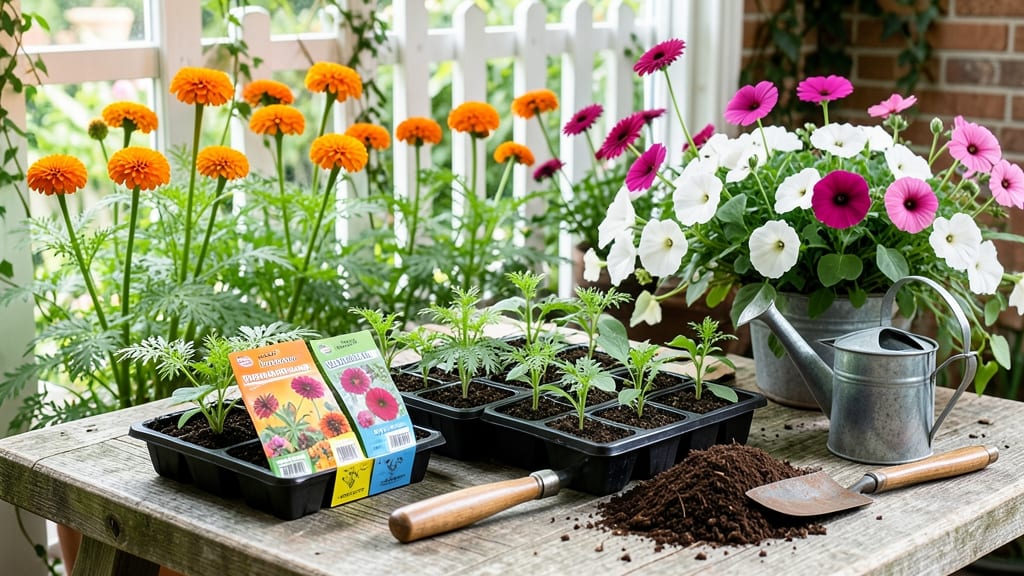
Planting annuals in Zone 6 at the wrong time can mean the difference between a vibrant garden bursting with 🌸 and a sad, stunted display. Whether you're dreaming of summer blooms or fall color, getting the timing right is everything—especially when last frosts can still linger into April and early frosts might sneak in by October.
Most gardeners assume spring is the only window for annuals, but in Zone 6, fall planting can actually give you a second season of beauty. The key?
Knowing your last frost date (usually around April 15), but also planning ahead for a late-summer planting window—about 4-6 weeks before the first frost (typically late July to early August).
I’ve learned the hard way that rushing annuals into cold soil or planting too late in the season can leave you with weak, struggling plants. But with the right timing, you can enjoy blooms from early summer through crisp fall days—no matter what Zone 6 throws your way.
Ready to unlock the secrets? I’ll walk you through the exact planting schedule, soil prep tips, and even how to stretch your growing season for maximum impact. Let’s get those annuals thriving!
Zone 6 annual planting timeline: spring vs. fall deadlines
In Zone 6, where average last frost dates hover around April 15 and first frosts typically arrive by October 15, timing your annuals correctly ensures vibrant blooms and bountiful harvests.
Spring planting begins when soil temperatures hit 60°F, while fall plantings must occur 4-6 weeks before frost to allow establishment. Missing these windows can leave your garden struggling through heat stress or frost damage.
Your local microclimate plays a huge role—urban areas may warm faster in spring, while rural spots can stay cooler. Always check frost-free date tools like the National Weather Service or Almanac for your specific location, as these dates can vary by 1-2 weeks even within the same zone.
Spring annuals like marigolds, zinnias, and basil thrive when planted after April 20, while fall favorites such as pansies and calendulas need to go in by mid-August. Heat-loving plants like tomatoes and peppers should wait until after May 10 to avoid wilting in Zone 6's 90°F+ heat waves.
For spring planting, start with cool-season annuals like nasturtiums in early April if you're using row covers. By May 1, you can safely plant warm-season annuals like cosmos and sweet potatoes, but avoid direct seeding until soil is consistently above 60°F to prevent seed rot.
Fall planting in Zone 6 rewards patience—pansies and calendulas planted by mid-August will bloom until hard frosts in November. Use mulch to insulate roots and extend the season. For vegetables, fast-maturing varieties like bush beans can be sown until late July for fall harvests.
If you're starting seeds indoors, begin warm-season annuals like tomatoes 6-8 weeks before last frost (around March 1 in Zone 6). For fall crops, sow cool-season seeds indoors 8-10 weeks before first frost (around August 1) to ensure they're ready for transplanting.
Don't forget to harden off seedlings for 7-10 days before planting—this gradual adjustment prevents shock. In Zone 6, early morning planting on cloudy days reduces transplant stress, especially for heat-sensitive varieties like lettuce and spinach.
Pro tip: Use soil thermometers to confirm readiness—60°F for most annuals, but 70°F+ for heat-lovers. In urban areas, sidewalks and buildings can create microclimates 5-10°F warmer, so plant 1-2 weeks earlier than rural zones.
By following these Zone 6 deadlines, you'll maximize your garden's potential—whether you're chasing summer sunflowers or fall pansies. Happy planting! 🌱
How to adjust planting times for Zone 6 microclimates
Zone 6’s variable microclimates can shift planting windows by weeks—even within the same neighborhood. Urban heat islands trap warmth, while elevated areas experience earlier frosts. Understanding these nuances lets you fine-tune your schedule for healthier annuals and longer bloom seasons.
Start by identifying your garden’s specific conditions, then adjust planting dates accordingly.
For example, south-facing slopes warm up faster than shaded valleys, allowing you to plant heat-loving annuals like zinnias or basil 2–3 weeks earlier. Conversely, low-lying areas may hold frost longer, delaying your spring planting by the same margin.
A soil thermometer ($15–$25) becomes your best tool—plant when soil reaches 60°F (15°C) at 2-inch depth, regardless of air temperature.
Wind exposure also plays a critical role. Exposed sites dry out faster and stress young plants, so consider using windbreaks or planting wind-resistant varieties like marigolds or cosmos earlier.
In sheltered microclimates, you might even extend your fall planting by 1–2 weeks before the first frost hits the rest of your garden.
- 1. Use a soil thermometer to confirm 60°F (15°C) soil temps before planting—air temperature alone isn’t reliable.
- 2. Adjust for urban heat islands: Plant heat-sensitive annuals (e.g., pansies) 1–2 weeks later in city centers where temps rise 5–10°F hotter than rural areas.
- 3. Elevation matters: Add 1 week per 500 feet elevation gain to your frost-free date—mountain gardens in Zone 6 often have shorter growing seasons.
- 4. Wind exposure delays planting: In open areas, wait until soil is 5°F warmer than your usual threshold to reduce transplant shock.
- 5. Leverage frost-free date tools: Use the National Oceanic and Atmospheric Administration (NOAA) frost calculator to input your exact location for hyper-local adjustments.
Don’t overlook microclimate mapping—walk your garden with a notebook and record where frost lingers, where heat pools, and where wind funnels. Mark these spots on a sketch and note how they affect plant performance.
For instance, container gardens on patios often warm up faster than in-ground beds, allowing you to plant tender annuals like geraniums 10 days earlier.
For fall planting, use the same principles in reverse. Plant cool-season annuals like calendulas or stock 4–6 weeks before your average first frost, but push that window earlier in protected microclimates (e.g., near south-facing walls). A row cover can extend this by another 2–3 weeks in exposed areas.
Pro tip: Keep a planting journal for 2–3 years to track how microclimates affect your garden. Note which annuals thrive in each zone and adjust your schedule yearly.
With practice, you’ll master the art of precision planting—turning Zone 6’s challenges into opportunities for a longer, more vibrant garden. 🌱