
Trees
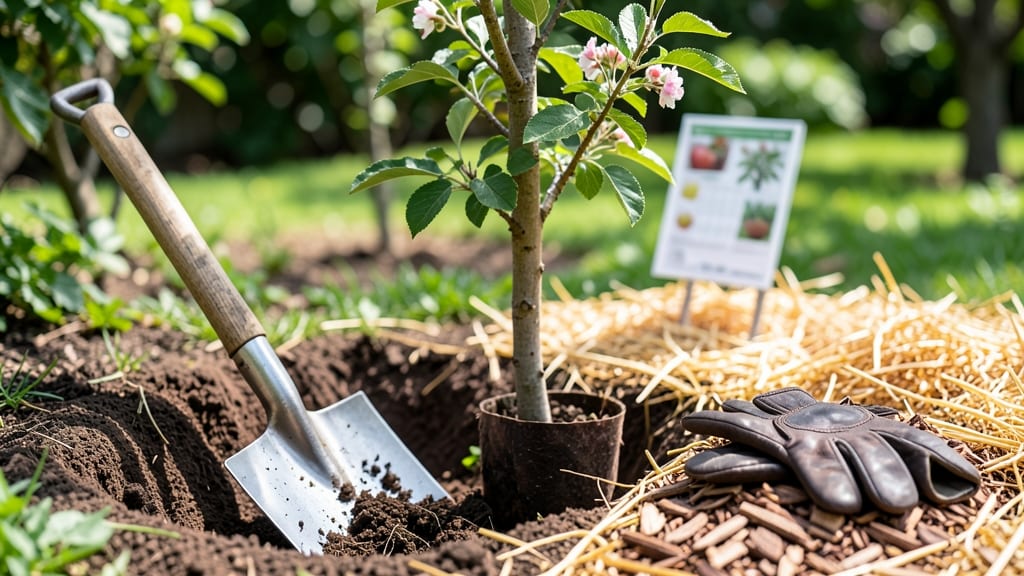
Planting an apple tree 🍎 in Connecticut at the wrong time could mean the difference between a thriving orchard and a sad, struggling sapling.
The key to success lies in understanding when to plant—whether it’s the crisp air of early spring or the cooler days of fall—so your tree establishes strong roots before winter hits.
Connecticut’s Zone 6a climate demands careful timing, especially since frost can still sneak in as late as April 15. Too early, and your tree might struggle; too late, and it won’t have enough time to settle in.
I’ll break down the best months for planting, whether you’re working with bare-root or containerized trees, and how to prepare your soil for maximum growth.
You’ll also discover why fall planting often gives trees a head start on root development and how to protect them from early frosts. Plus, I’ll share pro tips from Connecticut gardeners—like when to order trees and how to spot the best varieties for your yard.
Let’s get your apple tree off to the right start!
By the end, you’ll know exactly when to dig, how deep to plant, and what to do after the shovel hits the dirt to ensure your tree thrives for years. Ready to turn your backyard into an orchard? Let’s make it happen.
Best planting seasons for apple trees in Connecticut: spring vs fall breakdown
Choosing the right time to plant an apple tree in Connecticut can feel overwhelming with our unpredictable spring frosts and early fall freezes.
Both spring and fall offer advantages, but local climate patterns—like our average last frost date of April 15—dictate which season gives your tree the best chance to thrive.
I’ve planted dozens of apple trees in CT, and the difference between spring and fall planting isn’t just about timing—it’s about how your tree’s roots adapt to Connecticut’s Zone 6a winters.
Spring planting (April–May) lets you take advantage of warmer soil temperatures and longer daylight hours, but early frosts can still catch young trees off guard. Fall planting (October–November), on the other hand, allows roots to establish before winter dormancy, but you must plant early enough to avoid soil freezing.
The key is understanding your tree’s dormancy cycle and how CT’s microclimates—like the warmer valleys versus colder hilltops—affect survival rates.
For bare-root trees, which are most commonly sold in CT nurseries, fall planting is often preferred because the tree enters dormancy naturally, reducing transplant shock. Container-grown trees, however, can handle spring planting with fewer risks.
Below, I’ll break down the pros and cons of each season, including soil temperature requirements and frost protection strategies tailored to Connecticut’s climate.
| Factor | Spring Planting (April–May) | Fall Planting (October–November) |
|---|---|---|
| Ideal Soil Temperature | 45–55°F (warmer soil speeds root growth) | 50–60°F (roots establish before dormancy) |
| Frost Risk | High (late frosts can damage new shoots) | Moderate (plant before November 1 to avoid frozen soil) |
| Root Establishment Timeline | 4–6 weeks (slower in cool springs) | 6–8 weeks (roots harden off before winter) |
| Best Tree Type | Container-grown (less shock) | Bare-root (dormant, ideal for CT winters) |
| Watering Needs | High (weekly deep watering) | Moderate (reduce as soil cools) |
| Pro Tip for CT | Use row covers if late frost threatens | Mulch heavily (4–6 inches) to insulate roots |
Spring planting in Connecticut works best if you’re using container-grown trees, which have already established some roots and can handle the stress of transplanting better than bare-root varieties.
The soil temperature in April often hovers around 50°F, which is ideal for root growth, but you’ll need to monitor weather forecasts closely. If a late frost is predicted, protect young trees with frost cloth or a tree wrap to prevent damage to emerging buds.
Fall planting, however, is my top recommendation for Connecticut gardeners because it aligns with the tree’s natural dormancy cycle. When you plant in October or early November, the tree’s roots have time to grow before the ground freezes, giving it a head start in spring.
The key is to plant before the first hard frost, which in CT usually hits around October 31. If you wait too long, the soil may freeze, making it difficult for roots to establish.
One common mistake I see is planting apple trees too late in fall, thinking they’ll still have time to root. But once the soil drops below 40°F, root growth slows dramatically.
To avoid this, test your soil temperature with a soil thermometer before planting—aim for 50–60°F for optimal root development. In CT’s colder microclimates, like the northern hills, you might need to plant even earlier, around mid-October.
Another factor to consider is transplant shock, which can affect both spring and fall plantings but manifests differently. In spring, shock often comes from temperature fluctuations and inconsistent watering as the tree adjusts to outdoor conditions.
In fall, shock can occur if the tree doesn’t have enough time to acclimate before winter. To minimize shock, I recommend soaking the root ball (for container trees) or soaking bare roots in water for 1–2 hours before planting. This helps rehydrate the roots and reduces stress.
If you’re planting in spring, focus on watering deeply and consistently for the first 30 days to encourage root growth. Mulch with wood chips or straw to retain moisture and regulate soil temperature. For fall plantings, reduce
Critical factors to consider before planting apple trees in CT
Before you dig that first hole for your apple tree in Connecticut, there are five critical factors that will determine whether your tree thrives or struggles.
The most important? Soil pH—apple trees demand a 6.0–6.5 range, and CT’s native soils often need amendments like lime to hit that sweet spot. Without this, your tree might yellow its leaves or fail to fruit entirely.
Next up is drainage. Apple trees hate soggy roots, so avoid low spots where water pools after rain. A simple test: dig a hole, fill it with water, and time how long it drains—if it takes more than 4 hours, amend with compost or sand.
Poor drainage in CT’s clay-heavy soils is a silent killer for young trees.
Don’t overlook sunlight exposure. Your tree needs 6+ hours of direct sun daily, but CT’s microclimates vary wildly. South-facing slopes get more sun, while north-facing yards might need a dwarf variety like ‘Liberty’ to compensate. Even partial shade can reduce fruit quality, so scout your yard before buying.
Now, let’s talk disease-resistant varieties. Connecticut’s humid summers invite fungal threats like apple scab and fire blight. Opt for ‘Enterprise’ or ‘Akane’—these varieties are bred to resist local pests without heavy sprays. Skipping this step could mean years of chemical battles instead of harvests.
Finally, consider your microclimate zone. Coastal areas like New London stay milder, while inland spots near Hartford can drop to 10°F faster. Wind exposure matters too—plant near a fence or hedge to break harsh winds, which can dry out leaves and stress roots.
🌱 CT Apple Tree Planting Checklist
- ☑️ Soil pH: Test and amend to 6.0–6.5
- ☑️ Drainage: Ensure water drains in ≤4 hours
- ☑️ Sunlight: 6+ hours/day, south-facing preferred
- ☑️ Variety: Choose ‘Liberty’ or ‘Enterprise’ for resistance
- ☑️ Microclimate: Protect from wind; avoid frost pockets
✅ Pro Tip: Order bare-root trees in late winter for spring planting—CT nurseries like UConn Plant Innovation offer local stock.
Once you’ve checked these boxes, your apple tree will have the best shot at success in CT’s climate. But here’s a pro tip: plant in fall (October–November) for stronger root growth before winter.
The cooler temps reduce transplant shock, and your tree will wake up in spring ready to fruit. Just remember—mulch heavily (4–6 inches) to insulate roots from freezing.
Ready to pick your spot? Grab a soil test kit from your local UConn Extension office, and let’s get those roots growing! The best time to plant an apple tree was 20 years ago—the second-best time is today. 🍏