
Trees
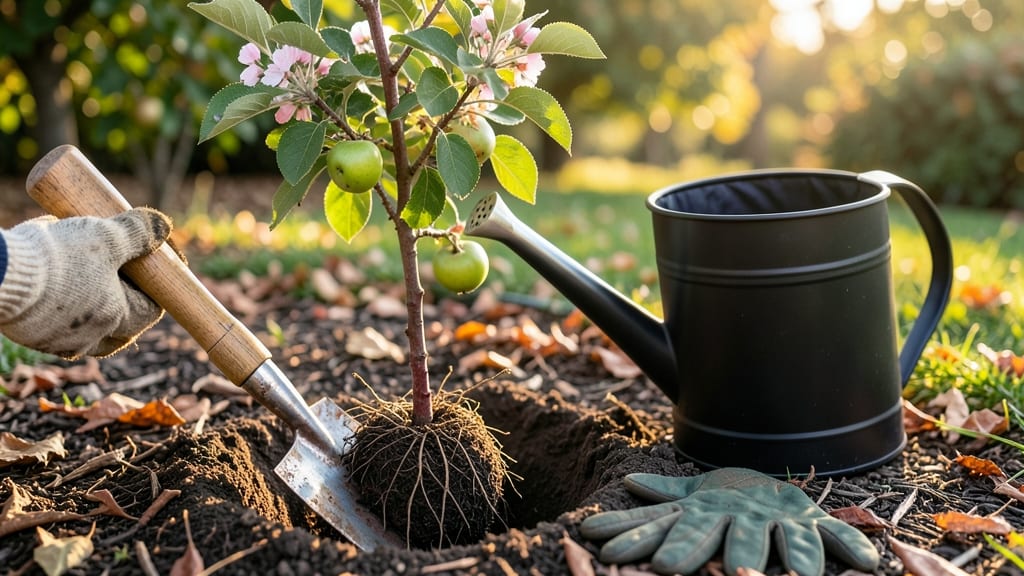
Planting an apple tree 🍎 in England at the wrong time could mean years of waiting for fruit—or worse, no harvest at all. The best window to plant isn’t just about the calendar; it’s about matching your tree’s chill-hour needs with England’s unpredictable climate shifts.
If you’ve ever wondered why some gardeners swear by late autumn while others insist on early spring, the answer lies in your region’s frost patterns and the tree’s dormancy cycle. Zones 8-9 in England have their own quirks, and getting this timing right is the difference between a thriving orchard and a sad, stunted sapling.
I’ll walk you through the exact months to plant—whether you’re working with bare-root saplings or container-grown trees—and how to prep your soil for success. Plus, I’ll share the one trick that keeps young trees from struggling when the first frost rolls in.
Ready to turn your garden into a future apple harvest? Let’s get those roots in the ground at the perfect moment.
Best planting months in England based on chill-hour requirements
Choosing the right time to plant apple trees in England depends on chill-hour requirements and regional climate differences. Southern England's milder winters often struggle with high-chill varieties, while northern regions thrive with them. Matching your apple tree variety to your area's chill-hour zone ensures proper flowering and fruit production.
England's climate varies dramatically from London's 500-800 chill hours to northern Scotland's 1,200+ chill hours. This means low-chill varieties like 'Discovery' or 'Fiesta' suit southern gardens, while high-chill varieties like 'Bramley's Seedling' or 'Cox's Orange Pippin' excel in northern regions.
🌱
For bare-root trees, the best planting window across England is November through March during dormancy. This allows roots to establish before spring growth begins. Container-grown trees offer more flexibility and can be planted from March to October, though spring remains ideal.
Southern England's milder winters mean late winter planting (February-March) is safest for low-chill varieties, as early planting risks spring frost damage to emerging buds. In northern regions, November-December planting gives roots time to harden before winter.
🌿
Always check your specific microclimate—urban areas may experience 2-3°C higher temperatures than rural zones, affecting chill accumulation. Consider using a chill-hour calculator or consult your local RHS fruit tree guide for precise variety recommendations.
After planting, mulch heavily with organic matter to retain moisture and regulate soil temperature. In southern England, this helps protect roots from heat stress in summer, while northern gardens benefit from insulation against winter cold.
🍏
Remember that early spring planting (March-April) works best for container-grown trees, as they establish roots more quickly than bare-root trees. Always water thoroughly after planting and maintain consistent moisture for the first growing season to encourage strong root development.
How to prepare your soil and site for apple tree planting success
Apple trees thrive when planted in well-prepared soil and sites that mimic their natural growing conditions. In England, where soil types range from clay to sandy loam, understanding your local conditions is crucial.
The right preparation ensures strong root development and fruit-bearing success within 3-5 years. Start by selecting a sun-drenched location—apple trees need at least 6-8 hours of sunlight daily to produce quality fruit.
Before planting, test your soil pH, which should ideally fall between 6.0 and 7.0 for apple trees. Most English gardens naturally lean acidic, so you may need to add lime or wood ash to raise the pH if needed.
Poor drainage is another common issue, especially in clay-heavy soils like those in southern England. Amend the soil with organic matter, such as compost or well-rotted manure, to improve aeration and water retention.
⚠️ Avoid Planting in Waterlogged Soil!
Apple trees hate soggy roots—this leads to root rot and poor growth. If your site floods after rain, consider planting on a slight mound or improving drainage with gravel or sand. Northern England’s wetter climates demand extra attention here!
Clear the planting area of weeds and grass, which compete for nutrients. Dig a hole twice as wide as the tree’s root ball but no deeper. If planting a bare-root tree, soak the roots in water for 1-2 hours before placing them in the hole.
For container-grown trees, gently remove excess soil to encourage root spread into the surrounding earth. Mix the removed soil with compost or well-rotted manure to create a nutrient-rich backfill.
Consider the tree’s mature size when choosing a location. Standard apple trees can reach 20-30 feet tall, while dwarf varieties stay under 6-12 feet. Ensure there’s enough space for airflow to prevent fungal diseases like apple scab.
If planting near a fence or wall, leave at least 8-10 feet of clearance to avoid root competition and improve sunlight exposure.
Mulch the base of the tree with organic mulch, like straw or wood chips, to retain moisture and suppress weeds. Keep the mulch 2-3 inches deep but avoid piling it against the trunk, which can cause rot.
Water deeply after planting to settle the soil and encourage root growth. In England’s cooler climates, young trees benefit from a winter watering every 2-3 weeks if the ground isn’t frozen.
Finally, stake young apple trees if necessary, especially in windy regions like coastal areas. Use soft ties to secure the tree without damaging the trunk. Prune any damaged branches during planting to redirect the tree’s energy into root establishment.
With the right soil prep and site selection, your apple tree will have the best chance to thrive and bear fruit for decades.