
Trees
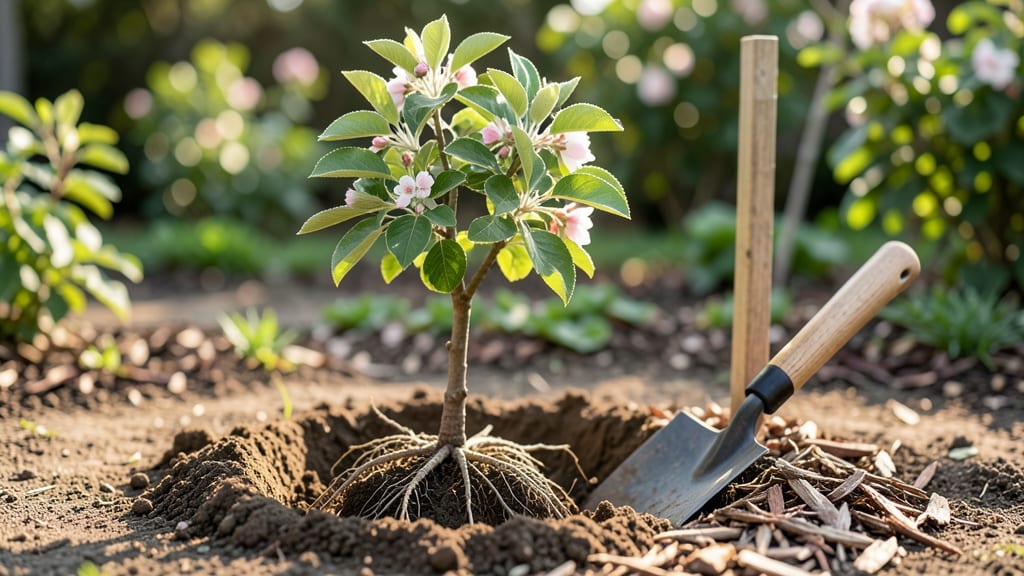
Planting an apple tree 🍎 in North Carolina at the wrong time could mean years of frustration—your tree might never produce fruit, or worse, die before it even gets a chance.
The key isn’t just picking the right month; it’s matching your variety to the state’s chill-hour zones (7a-8b) and avoiding the brutal summer heat that stresses young roots.
Most gardeners in North Carolina know spring is the best time, but the exact window—late February to early April—makes all the difference. Plant too early, and frost will damage tender roots; too late, and your tree won’t establish before summer’s heat sets in.
I’ll break down the perfect timing for both bare-root and container-grown trees, so you can set yours up for success.
Why does this matter? Because chill hours (the cold winter hours your tree needs to bloom) vary by variety—some need just 400 hours, while others demand over 1,000. Get this wrong, and you’ll end up with a tree that flowers but never fruits.
I’ll show you how to pick the right variety for your zone and plant it at the ideal moment for maximum apple production.
From soil prep to post-planting care, I’ll walk you through every step to ensure your apple tree 🍎 thrives in North Carolina’s climate. Whether you’re a beginner or a seasoned gardener, these tips will help you grow a fruitful tree year after year—without the guesswork.
Best planting months for apple trees in North Carolina by chill-hour zones
North Carolina’s climate—with its chill-hour zones ranging from 400 to over 1,000 hours—means the perfect planting window for apple trees depends entirely on your variety and location.
Most gardeners in zones 7a-8b plant in late winter or early spring, but timing is critical: too early, and frost will damage tender roots; too late, and summer heat stress sets in before roots establish.
For Fuji, Gala, or Granny Smith, dormancy timing matters just as much as soil prep.
Spring planting (late February to early April) is ideal because it gives roots time to establish before summer heat arrives. However, bare-root trees can also be planted in late fall (November) if your region has mild winters—just ensure the ground isn’t frozen.
Container-grown trees offer more flexibility but still need to be planted before bud break in spring. I’ll break down the exact months for each chill-hour zone so you can pick the best time for your variety.
Here’s the key: Chill hours (the number of hours below 45°F your tree needs to bloom) dictate which varieties thrive in your area. For example, ‘Akane’ (400-500 hours) works in warmer coastal zones, while ‘Mutsu’ (800+ hours) needs the colder mountains.
Planting at the wrong time can lead to poor fruit set or even tree death—so let’s match your variety to the right window.
| Chill-Hour Zone | Best Planting Window | Recommended Varieties | Dormancy Timing |
|---|---|---|---|
| 400-500 hours (Coastal NC) | Late February - Early March | Akane, Fuji, Golden Delicious | Dormant until late winter |
| 500-600 hours (Piedmont) | Mid-March - Early April | Gala, Honeycrisp, Jonagold | Dormant until early spring |
| 600-800 hours (Mountains) | Late March - Mid-April | Granny Smith, Mutsu, Rome | Dormant until late spring |
| 800+ hours (High Mountains) | Early April - Early May | McIntosh, Cortland, Empire | Dormant until mid-spring |
🌱 Note: Fall planting (November) is possible in mild zones but risky in frost-prone areas.
If you’re planting in spring (February-April), aim for 2-3 weeks before your last frost date—typically March 15 in most of NC but earlier in coastal areas.
For example, in Raleigh (Zone 7b), mid-March is perfect for Gala or Honeycrisp, while in Asheville (Zone 7a), late March works better for Granny Smith. Always check your local frost dates to avoid damaging new growth.
For fall planting (November), only do this in zones with mild winters (like coastal NC). Plant bare-root trees before the ground freezes, but avoid container-grown trees—they’re more vulnerable to winter stress.
If you’re unsure, stick to spring planting for foolproof results. Remember, root establishment is the goal, and summer heat is your biggest enemy.
Once you’ve picked your window, soil prep is just as critical. Apple trees thrive in well-draining, slightly acidic soil (pH 5.5-6.5). Amend clay soil with compost or sand, and avoid planting in low spots where water pools.
A full-sun location (6+ hours daily) is non-negotiable—shady spots lead to poor fruit production. After planting, mulch around the base (but not the trunk) to retain moisture and regulate soil temperature.
After planting, water deeply once a week for the first year, giving your tree 15-20 gallons of water per session. Avoid overhead watering to prevent fungal diseases like apple scab. In summer’s heat, increase watering to every 5-7 days, but always water in the morning to reduce evaporation.
Fertilize lightly in spring with a balanced 10-10-10 mix, but skip fall fertilization to encourage dormancy.
One common mistake? Planting too deep or burying the graft union. The graft line (where the scion meets the rootstock) should sit 2-3 inches above soil level. If buried, the tree may produce unwanted suckers.
Stake young trees only if necessary—over-staking can damage roots. Prune lightly in the first year to encourage a strong structure, but avoid heavy pruning until the tree is established.
Finally, patience is key. Apple trees take 3-5 years to bear fruit, but with the right planting window and care, you’ll be harvesting crisp, juicy apples in late summer or fall.
Whether you’re growing Fuji in the coast or Granny Smith in the mountains, matching your variety to the chill hours and planting at the right time sets the stage for a lifetime of harvests. 🍎
North Carolina apple tree varieties ranked by chill-hour needs and planting success
Choosing the right apple tree variety for North Carolina isn’t just about taste—it’s about matching your chill-hour zone. The state spans from 400 chill hours in the southern mountains to over 1,000 hours in the Piedmont.
Plant the wrong variety, and you’ll end up with a tree that blooms but never fruits. I’ve ranked the top 10 varieties that thrive here, from low-chill ‘Akane’ to high-chill ‘Mutsu’, along with their ideal planting windows.
For low-chill zones (400-600 hours), varieties like ‘Akane’ and ‘Ein Shemer’ are perfect—they’ll produce sweet, crisp apples even in warmer microclimates. Meanwhile, ‘Fuji’ and ‘Gala’ need 800+ chill hours and do best in the cooler mountain regions.
Whether you’re in Zone 7a or Zone 8b, these varieties are proven winners for North Carolina gardeners.
Here’s how to plant each variety for success: Bare-root trees should go in the ground 2-3 weeks before your last frost date (typically late February to early March in most of NC). For container-grown trees, aim for fall planting (October-November) to give roots time to establish before winter.
Always dig a hole twice as wide as the root ball and amend the soil with compost for better drainage.
For low-chill varieties like ‘Akane’, plant in full sun and water deeply twice weekly during the first year.
These trees are drought-tolerant once established but need consistent moisture to set fruit. High-chill varieties like ‘Mutsu’ thrive in cooler zones—plant them in well-draining soil with a mulch ring to retain moisture. Both types benefit from a late-winter pruning to open the canopy for better airflow and fruit production.
Pro tip: Pair two compatible varieties for cross-pollination. For example, ‘Gala’ (800 hrs) pollinates well with ‘Fuji’ (900 hrs), while ‘Akane’ (500 hrs) works with ‘Ein Shemer’ (600 hrs).
This ensures you’ll get a reliable harvest every year. Just remember: plant in early spring when soil temps are above 40°F but before buds break.
If you’re in Zone 8b, stick to low-chill varieties like ‘Zestar!’ or ‘Ein Shemer’—they handle the heat better. For higher elevations, ‘Mutsu’ or ‘Granny Smith’ (900+ hrs) are ideal.
No matter your zone, avoid summer planting—the heat stresses roots and reduces survival rates. With the right variety and timing, you’ll be picking homegrown apples in just 3-5 years! 🍏