
Plants
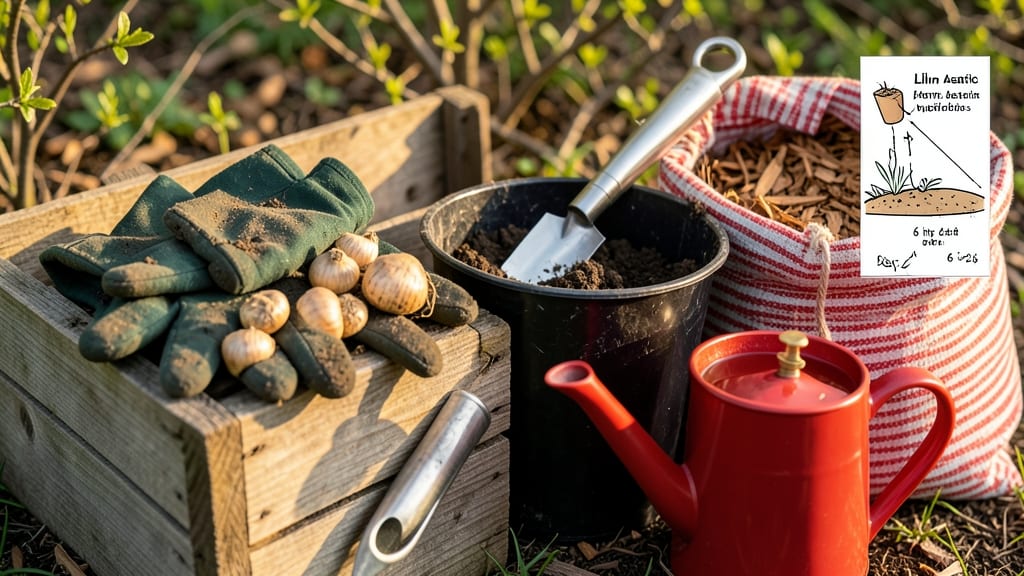
Planting your Asiatic Lily bulbs when to plant Asiatic lily bulbs in spring at the wrong time can mean the difference between stunning summer blooms and a sad, wilted disappointment.
The key to success lies in understanding when your soil is warm enough and the frost risk has truly passed—because rushing too early or waiting too late both spell trouble for these delicate beauties.
For gardeners in USDA Zone 6a (like me!), the ideal window opens in early to mid-spring, typically after April 15th—but there's more to it than just dates.
Soil temperature plays a huge role, and planting too soon when the ground is still chilly can lead to rot before those vibrant blooms even have a chance.
I’ll walk you through exactly how to time your planting for perfect results, including soil temperature checks, frost-free guidelines, and pro tips for adjusting based on your local climate.
Whether you're a first-time planter or a seasoned gardener, these insights will help you avoid common mistakes and set your Asiatic Lilies up for a show-stopping summer display.
Ready to transform your garden? Let’s dive into the step-by-step timing that’ll have your bulbs thriving—and your neighbors asking for tips!
Optimal soil temperature & frost-free timeline for planting Asiatic lily bulbs
Getting your Asiatic lily bulbs in the ground at the right time ensures they thrive and produce those stunning summer blooms. The key factors? Soil temperature and knowing your local last frost date.
I’ve planted these beauties for years, and I can tell you—timing makes all the difference between a lush garden and disappointed waiting.
Asiatic lilies need warm soil to sprout, ideally between 60-70°F. Cold soil can stunt growth or even cause rot. Meanwhile, planting too early risks frost damage, while waiting too long might delay blooms until late summer.
Let’s break down how to nail this timing so your lilies get off to the best start.
First, check your USDA hardiness zone—this determines your last frost date. Most gardeners in Zones 3-9 can plant Asiatic lilies, but the exact timing shifts based on your zone. For example, Zone 5 gardeners typically wait until mid-May, while Zone 8 gardeners can plant as early as March.
The goal? Plant after the last frost but before the soil gets too hot.
Here’s where a soil thermometer becomes your best friend. Stick it 2-3 inches deep—when it consistently reads 60°F or warmer, it’s time to plant. Morning is the best time to check, as soil temps fluctuate throughout the day.
If your thermometer shows below 50°F, wait a few more weeks. Patience here pays off with stronger roots and bigger blooms.
Now, let’s compare the ideal planting windows by zone. This comparison table will help you pinpoint the perfect time for your region:
If you’re unsure about your last frost date, check resources like the National Weather Service or local gardening extensions. For example, in Zone 6 (like my garden), I aim to plant by May 1st—but I’ve also used black plastic mulch to warm the soil faster if needed.
This trick works wonders in cooler climates.
Pro tip: If your soil is still too cold but you’re eager to plant, try container gardening. Fill pots with a mix of potting soil and compost, and place them in a sunny spot.
The soil in containers warms up faster than ground soil, giving you a head start. Just be sure to harden off your lilies before transplanting outdoors.
Once you’ve nailed the timing, focus on well-draining soil and a sunny spot. Asiatic lilies love 6+ hours of sunlight daily, and their bulbs hate soggy conditions.
Amend your soil with compost if it’s heavy clay, and consider adding a layer of gravel at the bottom of the planting hole for extra drainage. These steps set the stage for healthy, vibrant blooms.
Finally, don’t stress if your timing isn’t perfect. Even if you plant a few weeks late, your lilies will still grow—just expect slightly smaller blooms. The key is to avoid planting in extreme heat (above 80°F) or during active frost periods.
With these guidelines, you’re well on your way to a garden bursting with Asiatic lily color this summer!
How to adjust planting time based on your local climate & microclimate
Your local climate and microclimate can shift your Asiatic lily planting window by weeks—even if you're just a few miles from a neighbor. For example, my garden sits in a sunny urban heat island, where soil warms up 2-3 weeks earlier than the surrounding rural areas.
Understanding these nuances helps you avoid planting too early (risking frost damage) or too late (delaying blooms). Let’s explore how to fine-tune your timing based on your specific conditions.
First, consider your elevation. Every 1,000 feet up in elevation drops temperatures by about 3.5°F, delaying soil warming. If you live in a mountainous region (like Zone 5 at 5,000 feet), your ideal planting window might be 2-3 weeks later than the general guideline.
For instance, while my Zone 6 neighbors plant in early May, I wait until mid-May to ensure the soil reaches 60°F consistently.
Next, account for wind exposure. Gardens in windy areas (like coastal regions or open fields) experience faster temperature swings, which can make soil feel colder longer. If your garden is exposed to strong winds, use row covers or windbreaks to protect your lilies.
I’ve seen windy gardens delay planting by up to 10 days compared to sheltered spots just a block away.
- 1. Urban Heat Islands: Cities stay 5-10°F warmer than rural areas. Plant 2 weeks earlier if your garden is paved or surrounded by buildings.
- 2. Windy Gardens: Use row covers or plant near hedges/fences to reduce wind chill. Delay planting by 7-10 days if exposed.
- 3. Container Gardening: Soil in pots warms 3-5 days faster than ground soil. Start containers indoors 2-3 weeks early and harden off before transplanting.
- 4. Late Spring Adjustments: If frost risk lingers past your zone’s average, use black plastic mulch to warm soil 5-7°F faster.
- 5. High Elevation: Add 1-2 weeks to your planting window for every 1,000 feet above sea level.
For early spring planters eager to get a head start, container gardening is a game-changer. Fill pots with a mix of potting soil and compost, and place them in a sunny spot.
The soil in containers warms up faster than ground soil, giving you a 2-3 week head start. Just remember to harden off your lilies by gradually exposing them to outdoor conditions over 7-10 days before transplanting.
If you’ve missed the ideal window and your soil is still too cold, don’t panic. Black plastic mulch can raise soil temperatures by 5-7°F, making it possible to plant up to 2 weeks later than usual.
Lay the mulch down 1-2 weeks before planting to warm the soil gradually. I’ve used this trick in Zone 6 to plant lilies safely in late May instead of waiting for June.
Finally, urban gardeners often face microclimate challenges like heat islands or shaded spots. If your garden is surrounded by pavement or buildings, soil can warm up 2 weeks earlier than rural areas.
Use a soil thermometer to confirm readiness—don’t rely solely on general zone guidelines. For shaded areas, consider reflective mulch or moving containers to sunnier spots during the day.
With these adjustments, you’ll master the art of localized planting timing, ensuring your Asiatic lilies bloom vibrantly no matter where you garden. The key is flexibility—adapt to your unique conditions, and your lilies will reward you with stunning summer color! 🌸