
Plants
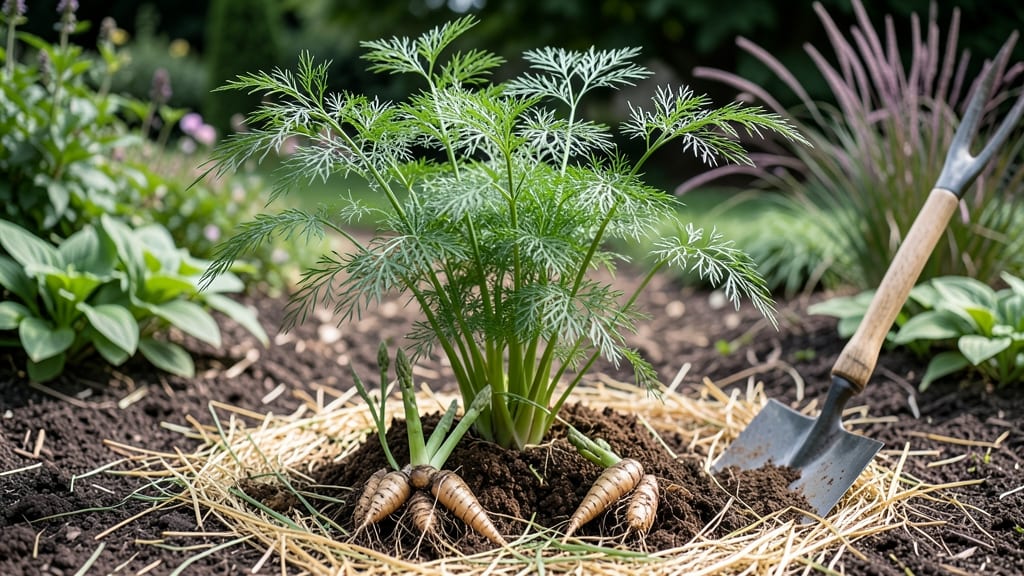
Planting asparagus in Massachusetts at the wrong time can mean waiting years for those prized spears—so nailing the March–April window is your ticket to a decades-long harvest. Unlike fast-growing veggies, asparagus crowns need 50°F soil and a frost-free horizon to establish roots before summer heat arrives.
Most Massachusetts gardeners swear by 1-year-old crowns planted in early spring, but timing varies by zone—5b-6b means watching for last frost dates (usually mid-April) while prepping beds with compost and sand for drainage. Skip this step, and you risk soggy soil that drowns crowns before they sprout.
Here’s the game-changer: Plant too early, and crowns rot in cold soil; too late, and spears bolt before you harvest. I’ll break down the exact frost-free window for your zone, plus how to tell when soil’s ready—no guesswork, just strong, spear-producing plants by next spring.
Once you’ve got the timing right, we’ll cover post-planting care to ensure your asparagus thrives—because even the best-planted crowns need the right follow-up to reward you with harvests in 2–3 years. Let’s get those spears growing!
Massachusetts asparagus planting calendar: frost dates by Zone (5-7) and soil prep
Timing your asparagus planting in Massachusetts is all about avoiding early frosts while giving roots time to establish before summer heat. In USDA Zones 5-7, your frost-free window typically opens in mid-April but can vary by 1-2 weeks depending on elevation.
For crown planting, aim for late March to early April—when soil temperatures hit 50°F—to balance warmth and moisture.
Some gardeners also plant in late summer (August-September) for a fall harvest, but this requires well-draining soil and protection from first frosts (usually mid-October).
The key is soil temperature, not air temperature—use a soil thermometer to confirm readiness. Zone 5b (western MA) may need to wait until early May if springs are colder.
Here’s your Massachusetts asparagus planting calendar broken down by zone, including soil prep steps to ensure success:
For soil preparation, asparagus demands deep, loose soil—dig a 12-inch-deep trench or bed and mix in compost (30%) and sand (if clay-heavy). A pH test is critical; asparagus thrives in 6.5–7.5 pH.
If your soil is too acidic, add lime (1 lb per 100 sq ft) 3 months before planting. Drainage is non-negotiable—waterlogged roots lead to crown rot, a deadly disease.
Pro tip: Mulch heavily (3–4 inches of straw) after planting to retain moisture and suppress weeds. Avoid synthetic mulches—they can overheat the soil. In Zone 5b, where springs are cooler, consider black plastic mulch to warm the soil 2–3 weeks earlier.
Just remove it once spears emerge to prevent overheating.
If you’re planting asparagus crowns (the preferred method), space them 12–18 inches apart in rows 3 feet apart to allow for spear development.
Bury the crowns 6–8 inches deep—deeper in sandy soil (8 inches) and shallower in clay (6 inches). Bud count matters too: choose crowns with 10–15 buds for faster harvests.
One common mistake in Massachusetts is planting too early when soil is still cold and wet. Asparagus roots rot at 40°F or below, so always wait for soil to warm. Use a soil thermometer—it’s your best tool.
For Zone 7, where winters are milder, you might even get a fall harvest if planted by mid-August, but protect young plants with row covers as temperatures dip.
After planting, water deeply (1–1.5 inches per week) to encourage root growth. Avoid overhead watering—drip irrigation is ideal to prevent foliar diseases. In Zone 5b
How to choose asparagus crowns for Massachusetts’ climate: varieties that thrive in cold winters
Massachusetts’ brutal winters and short growing seasons demand asparagus varieties that won’t bolt or rot. The right crown variety can mean the difference between decades of harvests and years of disappointment.
Since I’ve planted asparagus in Zone 5b-6b for over a decade, I’ve learned which crowns handle our freeze-thaw cycles and heavy clay soils best.
Look for 1-year-old crowns with at least 10-15 buds—these are your best bet for establishing roots before summer heat arrives. Avoid crowns with shriveled roots or moldy buds, as these won’t survive MA’s late-spring frosts.
Pro tip: Buy from nurseries that offer locally adapted varieties like ‘Jersey Knight’ or ‘Mary Washington’, which thrive in our climate.
Cold-hardiness is non-negotiable in MA. Varieties like ‘Purple Passion’ tolerate -20°F without flinching, while ‘Mary Washington’ handles Zone 5 winters with ease. Disease resistance matters too—rust and fusarium wilt are common in our damp springs, so choose varieties bred for fungal resistance.
| Variety | Cold Hardiness | Spear Thickness | Disease Resistance | Best For |
|---|---|---|---|---|
| Jersey Knight | Zone 5-7 (-20°F) | Medium (0.75-1") | High (rust/fusarium) | Heavy soils, short seasons |
| Mary Washington | Zone 4-8 (-30°F) | Large (1-1.25") | Moderate | Classic spears, long harvest |
| Purple Passion | Zone 5-9 (-20°F) | Medium (0.75-1") | High (rust/fusarium) | Gourmet markets, visual appeal |
| Pacific 2000 | Zone 6-9 (-10°F) | Thin (0.5-0.75") | Very High | Long harvest window |
| Millennium | Zone 5-8 (-20°F) | Large (1-1.25") | Moderate | High yield, uniform spears |
When inspecting crowns at nurseries, prioritize root health—healthy roots should be firm and white, not brown or mushy. A bud count of 10+ ensures faster establishment, while thicker spears (like ‘Mary Washington’) satisfy home gardeners craving restaurant-quality harvests.
For disease-prone areas, ‘Pacific 2000’ is my top pick due to its rust resistance.
Plant crowns 6-8 inches deep in well-draining soil to prevent rot—a common issue in MA’s clay-heavy soils. Amend beds with compost and sand to improve drainage, and mulch heavily to protect roots during freeze-thaw cycles.
With the right variety and prep, you’ll enjoy spears in 2-3 years—not the 5+ years some varieties demand.
Don’t overlook purple varieties like ‘Purple Passion’, which add visual appeal to your garden and store longer than green spears. These thrive in MA’s short summers and handle late frosts better than most. Once established, asparagus beds become low-maintenance powerhouses, rewarding you for years with minimal effort.